
Most gemstone setting polishing failures are decided before the machine starts. A workshop loads a tray, chooses a standard ceramic media because it works well on gold or silver, and then finds a chipped crown facet or an etched fracture filled emerald after the cycle. We see this pattern often enough to plan the opposite way. The finishing step should first consider the weakest stone in the batch, the setting style, and the temperature limit, then choose media, fixtures, and cycle parameters. That sequence protects the gemstones while still cutting, smoothing, and brightening the metal around them.
Gemstone Setting Finishing Risk Factors
Hardness is not the only risk factor. Toughness, porosity, and treatment history decide whether a stone survives. A diamond at Mohs 10 can tolerate aggressive ceramic media, while an emerald with surface reaching fractures cannot, even though it is hard enough to scratch many metals. We rank stones by the softest mineral in the piece and by the condition of the setting before selecting any abrasive.
Which Set Stones Should Not Go Into Vibratory Finishing
Pearls, opals, turquoise, malachite, coral, and heavily included or fracture filled emeralds should stay out of a vibratory bowl. Pearls absorb moisture and compounds, opals are heat and impact sensitive, and fracture filled material can lose filler or turn cloudy. If these stones are already set, the safest route is masking or individual fixture finishing rather than loose part tumbling.
What Makes a Setting More Vulnerable Than the Stone Itself
Thin prongs, fine bezel walls, and pavé rows concentrate media pressure on small metal points. When adjacent parts press into the same spot, prongs bend, seats open, and stones loosen. We have found that a closed setting with deep seats survives better than an open gallery setting at the same media load, because the stone has less direct exposure to moving media.
Machine – Precision Disc Finishing)
Media Selection for Gemstone Setting Polishing
Once we know the weakest material, media choice follows. Metal benefit must be balanced against stone risk. Ceramic media cuts well but can scratch quartz, topaz, and many other colored stones. Plastic media with lighter abrasive loading removes metal surface defects at lower risk. Walnut shell media works for light brightening and drying without the cutting action of mineral media. Anti-adhesion beads keep small parts separate in mixed loads, which matters when rings and pendants have different profiles.
| Media Type | Typical Use | Fit for Set Stone Finishing |
|---|---|---|
| Ceramic general cut | Fast deburring on gold, silver, and platinum | Only diamond, ruby, and sapphire settings |
| Plastic general cut | Softer deburring and surface blending | Hard colored stones such as topaz, garnet, and quartz |
| Plastic pre plate | Fine smoothing before plating or final polish | Most durable set stones when speed stays low |
| Walnut shell dry polish | Light tarnish removal and gentle surface brightening | Pearls, opals, and coated stones when fixtured |
| Anti-adhesion beads | Prevent small parts from sticking | Mixed ring, pendant, and chain loads |
Abrasive choice changes when the setting has recessed areas and thin prongs. <Tumbling Media Selection> covers how media shape and size determine whether the abrasive reaches the metal you need to finish or packs into the cavities behind stones.
Fixtures and Cycle Parameters That Protect Set Gemstones
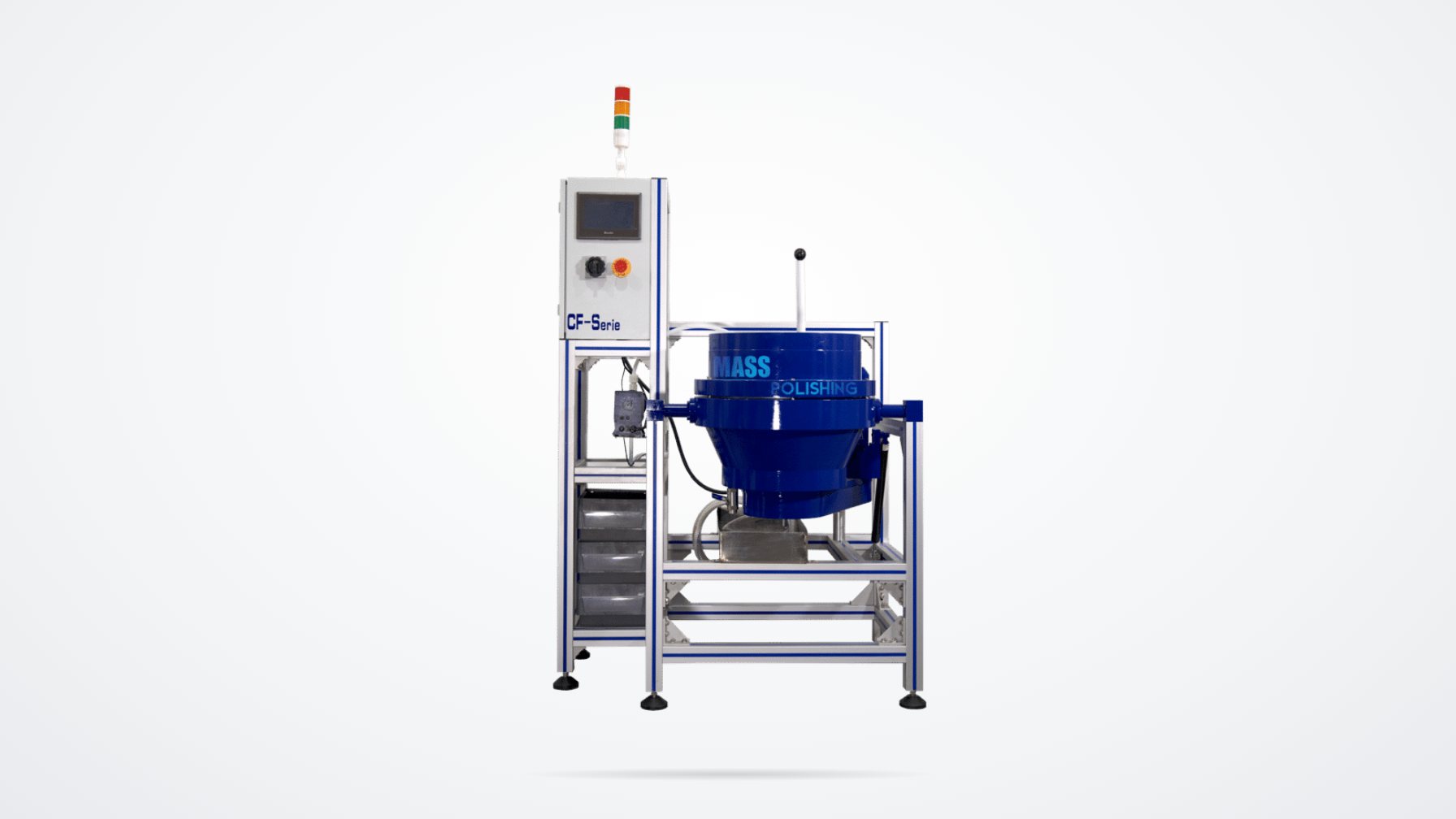
We treat set stones like sensitive workpiece features rather than standard jewelry. For high value pieces, one part per chamber is the safest route. Our processing bowl dividers create isolated compartments so rings do not strike each other. On complex settings with thin prongs, a custom fixture keeps the piece oriented so media contacts the band and back surface more than the stone face.
Tumbler – Jewelry Polishing)
Speed and water temperature matter as much as media. A lower variable frequency drive speed keeps contact energy down during wet processing, and it also makes complete separation possible on SWS and CWS machines. For heat sensitive stones, we keep water temperature moderate, use a neutral pH liquid compound, and shorten cycle time. LC10 general purpose compound at pH 8.1 adds cleaning without an acidic attack, while HM7 at pH 8.0 is a mildly alkaline polish option. We avoid compounds with free ammonia or strong acids on pearls, opals, and coated stones.
For the most delicate pieces, individual clamping removes collision risk altogether. <What Is a Drag Finishing Machine> covers how fixtures move a piece through media with controlled pressure, which suits pavé and micro setting work where loose stones are expensive.
If the piece carries mixed stones, the softest stone sets the process limit. Send the stone types, setting photos, and batch size through the Mass Polishing contact page before the cycle is fixed, and the engineering team will confirm media, speed, and compound parameters instead of leaving them to a standard recipe.
Post Finishing Stone Inspection and Rework Triggers
After the cycle, inspect before drying. We look for loose stones, shifted prongs, fine scratches on stone faces, and compound residue behind the stone. If a bezel seat holds compound, a short ultrasonic clean with a compatible solution is safer than pushing it out with a sharp tool. Any stone that shows a new surface reaching fracture or a cloudy table goes to rework before final polish. Rework should target the metal only. A loose stone means tightening before another cycle, not simply running longer with more abrasive.
Process Development for Stone Set Jewelry
Gemstone setting polishing does not have to be a risk decision. Most damage comes from standard media and standard cycle times applied to a mixed stone batch. Tell us the stone type, setting style, and batch size, and our engineering team will match the machine speed, media, compound, and process water to the weakest stone in the lot. Send your stone list and current finishing photos through the Mass Polishing contact page, and we will return a process recommendation with the exact media load and cycle range.
Common Questions About Gemstone Setting Polishing
Can ruby and sapphire go through vibratory finishing after setting?
Yes, they can, when the settings are closed and the cycle is short. Ruby and sapphire sit at Mohs 9, so most standard finishing media will not scratch the stone. The risk shifts to the metal around the stone. Keep prongs heavy, avoid open gallery settings, use plastic media or a light ceramic cut only where the alloy needs it, and inspect after a short test load. A single damaged stone in a test batch tells you more than a full production run.
Why did a stone look undamaged after polishing but crack later?
The usual assumption is that the polishing cycle caused the crack. Often the cycle only extended a fracture that already reached the surface. Stones with natural cleavage, such as topaz and diamond, can carry subsurface stress from setting or previous bench work. Heat, moisture, and vibration then open the existing feature. We first examine the fracture face, the position relative to the setting, and the polishing time before deciding whether the process or the stone was the primary cause.
What is the safest media for soft set stones like opal or turquoise?
It depends on whether moisture and compound can reach the stone. Dry walnut shell media is safer than wet ceramic or plastic media for these materials, because it removes light tarnish without soaking the stone or applying mineral cutting pressure. If the setting allows, individual fixturing works better than loose tumbling. For opal, keep temperature changes small and avoid acidic compounds. Turquoise should never run in a wet cycle, because water can enter the matrix and change the color.
How do you stop rings from striking each other in a vibratory bowl?
In our runs, we use chamber dividers or lower the part count before relying on media cushioning. Rings with high settings and mixed stone hardness are the first to mark each other, especially when the load is too full. A divider plate keeps one workpiece in one zone, which stops ring to ring contact and lets the media do the work. If your run mixes rings and earrings with different stone hardness, send the line sheet through the Mass Polishing contact page before you commit to a cycle; it is cheaper than replacing one stone.
If you’re interested, check out these related articles:
Vibratory Finishing Machine the Ultimate Guide to Industrial Surface Excellence
Analysis and Solution of Vibration Damping and Yellowing of Vibration Grinder
Jewelry Industry
Tub Vibratory Finishing Machines Efficient Solutions for Large and Delicate Workpieces
What Is a Drag Finishing Machine