
Types of Polishing Media for Surface Finishing
Polishing media are rough materials used in vibratory, centrifugal, or barrel finishing. They help to remove burrs, smooth, and polish metal, plastic, or composite parts. The choice of media depends on the material being processed, desired finish, and machine type.
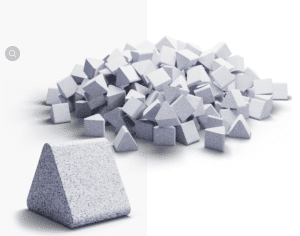
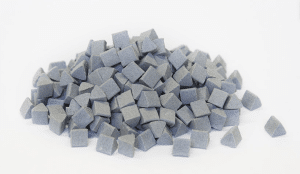
1. Ceramic Media
-
Composition: Aluminum oxide or silicon carbide bonded with ceramic
-
Shape: Triangles, cones, cylinders
-
Best for: Heavy de-burring, fast material removal (steel, titanium)
-
Finish: Semi-smooth (Ra 0.5–1.2μm)
-
Pros: Long lifespan, aggressive cutting
-
Cons: Can be harsh on soft metals


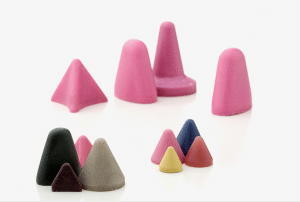
2. Plastic Media
-
Composition: Polyurethane, polyester, or acrylic with embedded abrasives
-
Shape: Pyramids, tetrahedral, cones, triangles
-
Best for: Delicate parts (aluminum, zinc, plastics)
-
Finish: Fine to mirror polish (Ra 0.1–0.5μm)
-
Pros: Gentle, non-embedding
-
Cons: Wears faster than ceramic
 |
|---|
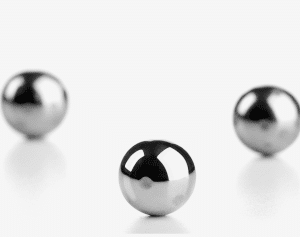
3. Stainless Steel Media
-
Composition: Carbon or stainless steel shot
-
Shape: Spheres, pins,
-
Best for: Hard metals (stainless steel, hardened alloys)
-
Finish: Burnishing, matte to satin
-
Pros: Durable, good for work hardening
-
Cons: Heavy, may cause part-on-part damage
 |
|---|
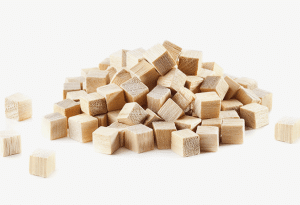
4. Special Media
-
Composition: Walnut shells, corn cob, or wood with abrasives
-
Shape: Granules, chips
-
Best for: Final polishing, drying, or light deburring
-
Finish: Ultra-fine (Ra <0.1μm)
-
Pros: Eco-friendly, soft on surfaces
-
Cons: Limited cutting power
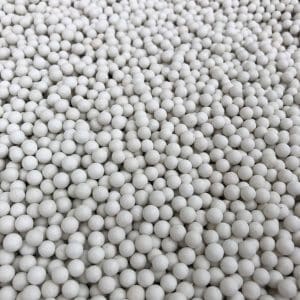
5. Porcelain Media
-
Composition: High-density ceramic with fine abrasives, quartz
-
Shape: Spheres, cylinders, cones
-
Best for: Mirror polishing (jewelry, medical tools)
-
Finish: High-gloss (Ra <0.05μm)
-
Pros: Excellent for final finishing
-
Cons: Fragile, expensive
 |
|---|
How to Choose the Right Polishing Media: A Step-by-Step Guide
Selecting the optimal polishing media requires evaluating part material, geometry, finish requirements, and machine type. Follow this systematic approach:
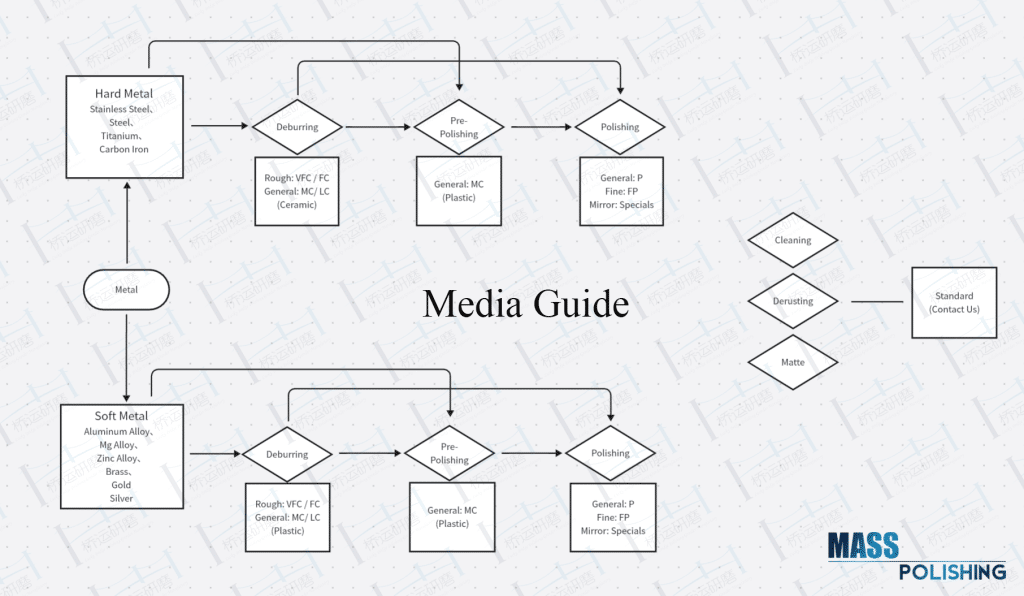
1. Consider the Base Material
2. Define Surface Finish Requirements
-
Rough De-burring → Ceramic (fast cutting)
-
Pro-Finishing (Ra 0.5–1.2μm) → Plastic with abrasives
-
Mirror Polishing (Ra <0.1μm) → Porcelain, Special
3. Select Based on Machine Type
| Machine | Best Media | Notes |
|---|---|---|
| Vibratory | Plastic, Ceramic, Steel | Gentle, batch processing |
| Centrifugal Barrel | Ceramic, Plastic | High-energy, fast results |
| Centrifugal Disc | Plastic, Fine Ceramic, Special Media | Fast cycle times, ideal for small parts |
| Rotary Barrel | Special, Porcelain | Slow but ultra-fine finish |
Pro Tips for Media Selection
✔ Test First: Run small batches to validate finish quality
✔ Wet vs. Dry: Use water + compound for metals, dry for plastics
✔ Avoid Cross-Contamination: Separate media by material type (e.g., don’t mix steel & aluminum)
Polishing Process Using Media: Step-by-Step Workflow
The media-based polishing process involves abrasive interaction to refine surfaces through controlled mechanical action. Below is a detailed breakdown for achieving optimal results:
1. Pre-Cleaning & Inspection
-
Objective: Remove oils, dirt, or previous polishing residues.
-
Methods:
-
Ultrasonic cleaning (for small parts)
-
De-greasing with alkaline solutions (for metals)
-
Visual/microscope inspection for deep burrs
-
2. Media Selection & Loading
| Step | Action |
|---|---|
| Choose Media Type | Based on material (e.g., plastic for aluminum, ceramic for steel). |
| Select Media Size | Smaller media for intricate parts; larger for flat surfaces. |
| Load Media-to-Part Ratio | Typically 2:1 to 5:1 (media volume : part volume). |
| Add Compound | Wet process: Use water + polishing compound (pH 8–10 for metals). |
3. Machine Setup & Cycle Parameters
| Parameter | Typical Settings | Notes |
|---|---|---|
| Machine Type | Vibratory / Centrifugal / Tumbling | Vibratory for delicate parts. |
| Time | 15 min – 6 hours (depends on finish required) | Longer cycles = finer finishes. |
| Speed | 800–1,500 RPM (centrifugal) / 15–25 Hz (vibratory) | Higher speed = faster cutting. |
| Media Weight | 60–80% of bowl capacity | Overloading reduces efficiency. |
4. Polishing Cycle Execution
-
Stage 1 (De-burring):
-
Media: Coarse ceramic (e.g., 10mm triangles)
-
Action: Removes large burrs/rough edges (Ra 1.5 → 0.8μm).
-
-
Stage 2 (Pre-Polishing):
-
Media: Fine plastic (e.g., 5mm pyramids with 220-grit abrasive).
-
Action: Smooths surface (Ra 0.8 → 0.3μm).
-
-
Stage 3 (Mirror Polishing):
-
Media: Porcelain spheres + diamond paste (1μm).
-
Action: Achieves reflective finish (Ra <0.1μm).
-
5. Post-Processing
-
Rinsing:
-
Remove media residue with deionized water (prevents water spots).
-
-
Drying:
-
Centrifugal drying / Vibratory drying
-
-
Final Inspection:
-
Measure surface roughness (Ra/Rz).
-
Check for uniformity under 10x magnification.
-
6. Media Maintenance
-
Cleaning: Separate media from sludge (use sieves/magnetic separators).
-
Replenishment: Replace 10–20% of media monthly to maintain cutting efficiency.
-
Storage: Keep in sealed containers to prevent moisture absorption.
Example: Polishing Aluminum Wheels
-
Step 1: Load 60kg plastic cones (6mm) + alkaline compound.
-
Step 2: Run vibratory machine (20Hz, 2 hours).
-
Step 3: Switch to porcelain media + polishing paste (1 hour).
-
Result: Ra 0.05μm mirror finish.
Key Tips for Success
✔ Monitor Media Wear: Worn media loses edges → reduces cutting efficiency.
✔ Control Temperature: Keep slurry <50°C (prevents part distortion).
✔ Automate for Consistency
If you have any needs,please contact us immediately. ☞contact us