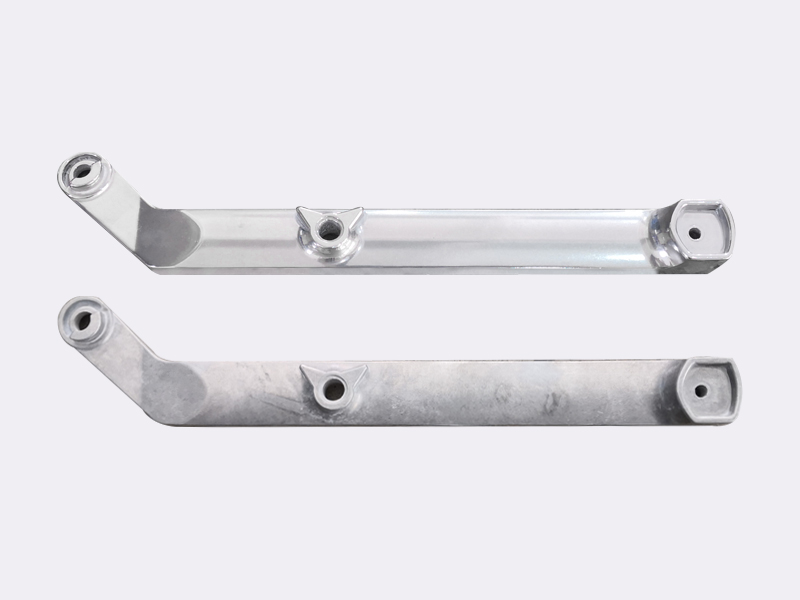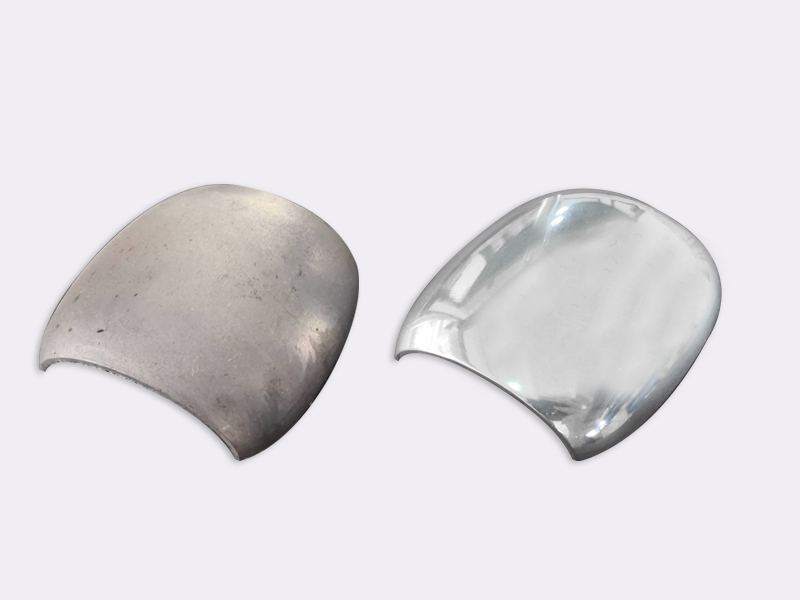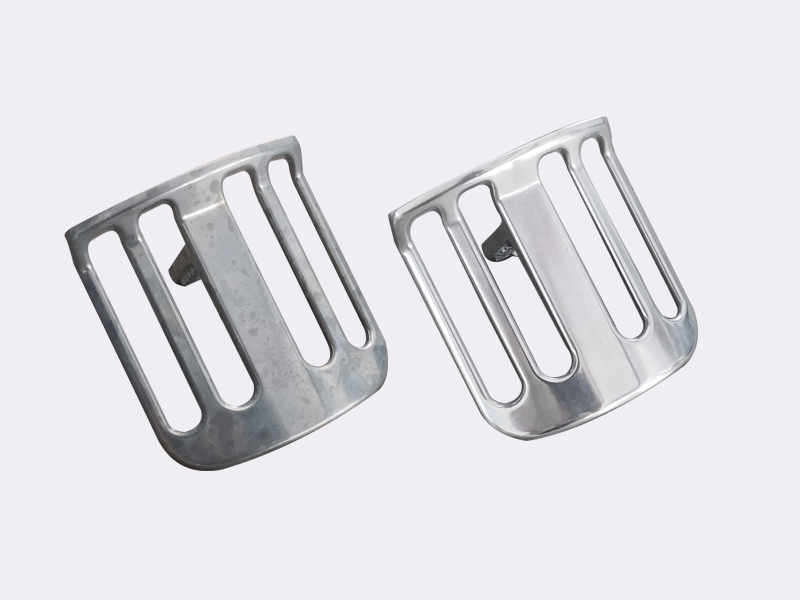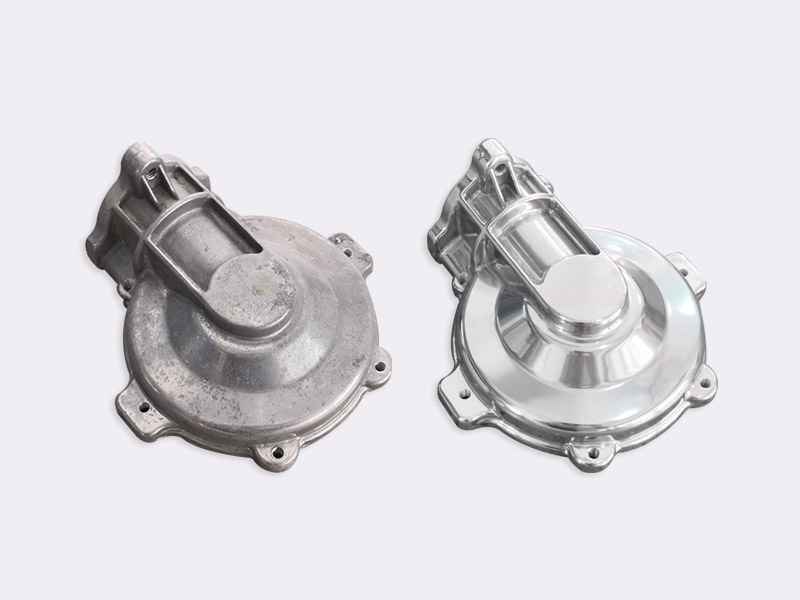

Introduction: Why Surface Finishing is the “Invisible Business Card” of Modern Manufacturing
In the manufacturing of aerospace components, medical devices, or high-end hardware, even a micron-level burr can lead to product failure. A vibratory finishing machine is not only the last stage of a production line. It is a key tool that ensures product precision and consistency.
Compared to manual polishing, an automated vibratory finishing system can process many parts quickly. It ensures every corner meets strict industrial standards.
According to Mass Polishing technical standards, vibratory bowl finishers are categorized into two major systems based on their Bowl Geometry. Choosing the correct bowl wall shape is critical for optimizing the rolling trajectory of your parts.
Quick Selection Guide (Model Comparison)
| Model Series | Bowl Geometry | Integrated Separation | Key Technical Advantage | Typical Applications |
|---|---|---|---|---|
| SW Series | Straight Wall | No | Simple, durable, and cost-effective | Basic deburring and descaling |
| SWS Series | Straight Wall | Yes | Balanced efficiency with auto-discharge | Mass production of standard parts |
| CW Series | Curved Wall | No | Smoother spiral flow, reduced impingement | Precision polishing, complex geometries |
| CWS Series | Curved Wall | Yes | Premium Process: Superior flow + Auto-separation | High-end export parts, precision hardware |
In-Depth: Technical Details of Different Series
-
SW/SWS Series (Straight Wall Processing Bowl): These models feature a vertical wall design. This structure provides a robust finishing environment and is the preferred solution for deburring most general industrial parts. The SWS model is further equipped with a pneumatic separation flap and screen for automatic part-media separation.
-
CW/CWS Series (Curved Wall Processing Bowl): These feature a specialized curved channel geometry. This design guides the media and parts into a more natural spiral upward motion. This effectively prevents parts from accumulating at the bottom of the bowl, making it ideal for precision workpieces that require high surface finishes and must avoid part-on-part impingement.
Improving Inquiry Conversion: 4 Factors to Watch When Choosing a Supplier
To reduce maintenance costs and improve yield rates, you should evaluate the following dimensions before purchasing:
-
Lining Material: Quality machines should use high-wear-resistant Polyurethane (PU), which far outlasts ordinary rubber.
-
Optional Accessories: Check for availability of control panels with timers, speed controllers (VFDs), soundproof covers, and liquid feeding systems.
-
Media-to-Part Ratio: Professional suppliers provide lab testing. Depending on part complexity, a ratio between $3:1$ and $5:1$ is generally recommended.
-
Effluent Treatment: Consider whether a recycling filtration system is needed to comply with local environmental regulations.
Conclusion: Elevate Your Finishing Process to International Standards
Investing in a high-quality vibratory finishing machine is about more than just deburring; it is about enhancing your brand’s competitiveness in the global supply chain. At Mass Polishing, we provide more than just equipment—we provide complete process solutions.
Beyond the Machine: Maximizing Performance with the Right Add-ons While choosing the right bowl geometry is essential, the secret to a truly efficient finishing process often lies in the details. From high-durability separation screens to automated chemical dosing systems, the right accessories can drastically reduce labor costs and improve consistency.
[Read our deep dive: Must-Have Vibratory Finishing Machine Accessories for High-Efficiency Production]
Looking to optimize your polishing costs?