
Stamped part edge rounding is more than removing a burr. It creates a controlled radius that protects downstream operators, improves plating and coating adhesion, reduces stress concentration, and keeps mating parts from hanging up. The most efficient process depends on material, sheet thickness, part geometry, required edge radius, surface finish, and batch size. Manufacturers should match the machine, media, and compound to those inputs before committing to a line. There is no single universal setting, but a structured trial will quickly identify a repeatable process window.
Why Stamped Part Edges Need Controlled Rounding
A stamped edge usually carries more than a visible burr. Blanking, piercing, and forming can leave a narrow torn zone, a sharp transition, and localized work hardening. Deburring only removes the attached sliver. Edge rounding goes further by wearing the intersection between the cut face and the adjacent surface into a small radius. That radius changes how the part behaves in downstream operations. Operators are safer during handling, plating and powder coating build more uniformly without edge pull-back, and assembled parts slide without cutting seals, wires, or mating components. When the edge is allowed to stay sharp, the same condition that creates an injury risk also creates a stress concentration and a place where coating adhesion is weak.
Key Process Variables: Media, Machine, and Compound
Media selection has the largest direct effect on how fast an edge rounds and how much of the surrounding surface is also cut. Ceramic media provides more aggressive cutting and is useful on steel and harder alloys. Plastic media is lighter and more forgiving on soft metals, thin sections, and parts headed for plating. Steel media is mainly used for burnishing and surface smoothing, not heavy edge rounding. Shape matters as much as material. Triangles, angle-cut cylinders, and cones reach into holes and notches; round shapes tend to smooth surfaces rather than cut edges.
The same stamped edge can be cut with aggressive ceramic shapes or softened with plastic media, and the result changes more than the cycle time. <Choosing Vibratory Polishing Media> covers the media selection criteria for vibratory finishing.
Machine energy determines how quickly the media contacts the part. Vibratory finishing is lower energy and well suited to high-volume batches. Centrifugal disc and barrel systems generate higher contact force for faster radius development. Drag finishing fixes the part in a holder and moves it through the media for more predictable edge control. The compound and water system keep the media clean, cool the load, reduce foam or rust, and carry away removed metal. Wet processing is common for edge rounding because it controls fines and temperature; dry processing is preferred when a clean, non-aqueous surface is required.
Vibratory Finishing for High-Volume Edge Rounding
Vibratory bowl and tub machines are the most common starting point for stamped parts because they can process large mixed batches with relatively simple handling. Bowl machines work well for small to medium parts that can circulate freely. Tub machines handle longer or larger parts that would bridge or tumble poorly in a circular bowl. Mass Polishing’s SWS series combines a straight-wall processing bowl with a built-in separation system, which reduces manual sorting after the cycle. Automatic separation is especially useful when a shop runs one machine across multiple part numbers.
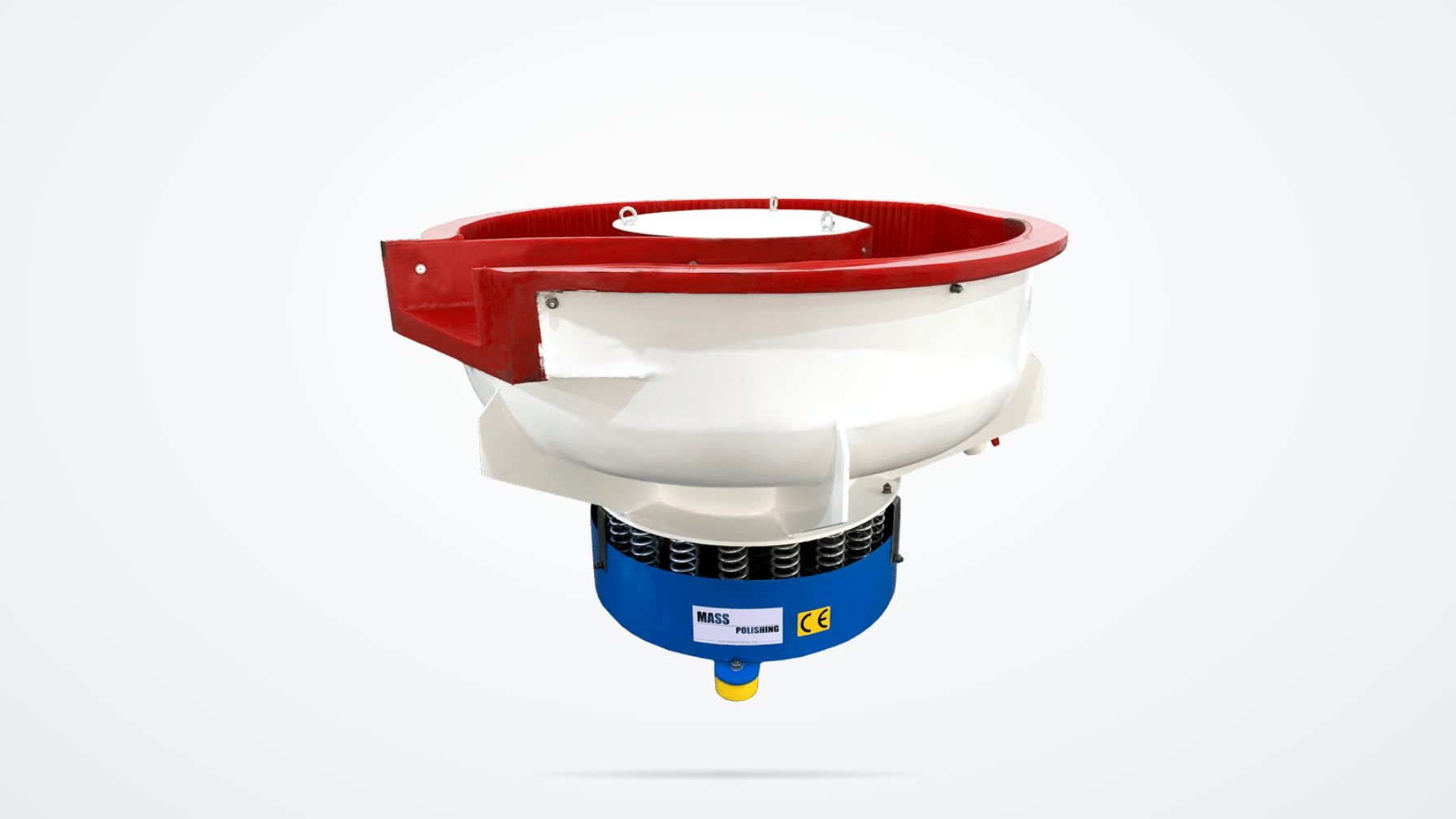
The main limitation of vibratory edge rounding is cycle time. Because energy is distributed across the entire load, a defined radius may take longer than in a high-energy system. The tradeoff is safety in numbers. Many small stamped parts can be processed together as long as they do not nest, lock, or impinge. For thin flat parts, a lower media-to-parts ratio or a divider system often prevents part-on-part sticking.
High-Energy Centrifugal Disc and Barrel Finishing for Faster Radius Control
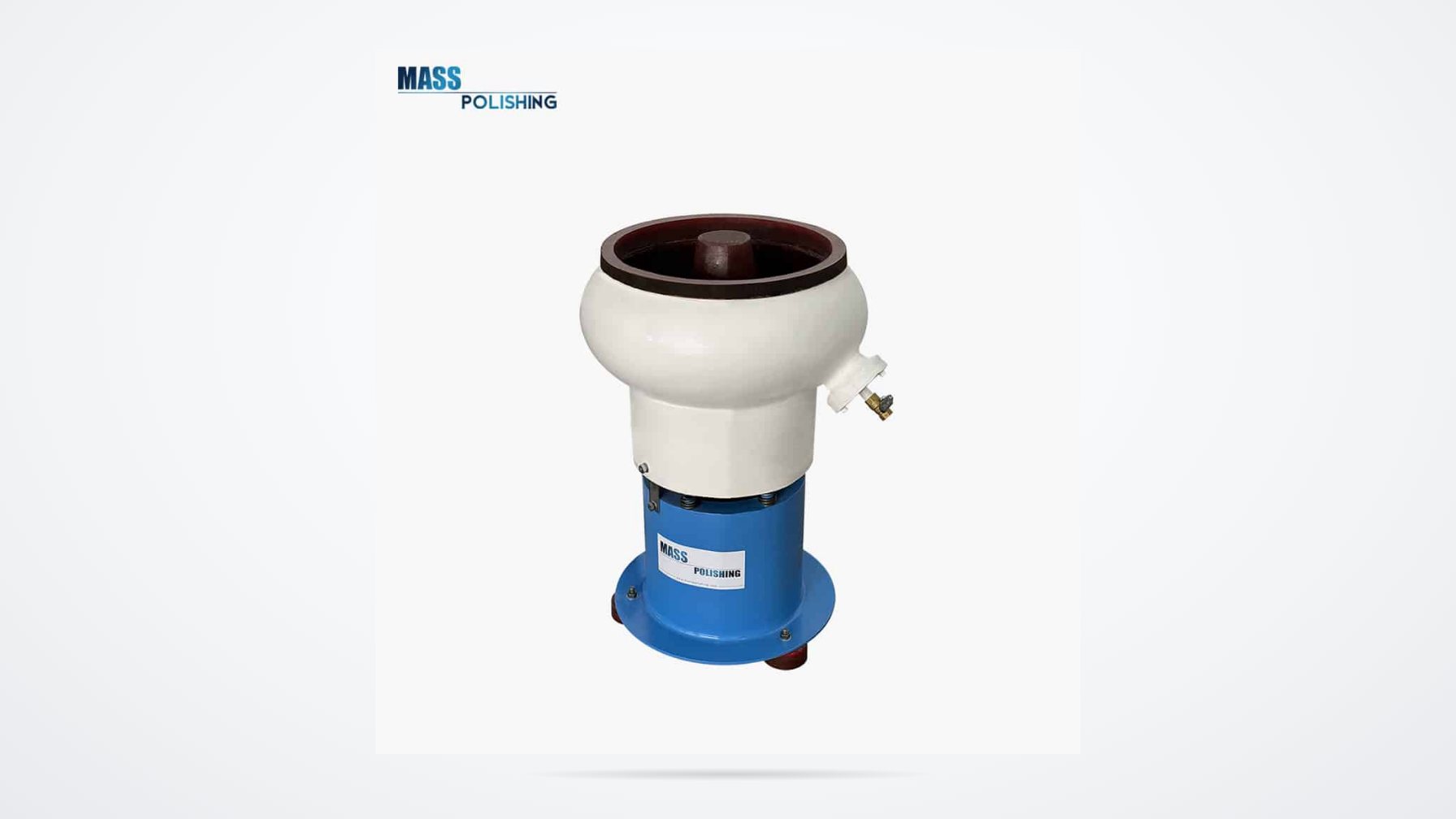
Centrifugal disc finishing is a better fit when stamped parts need faster edge rounding or a tighter radius specification. The rotating disc accelerates the media and parts at high energy, producing more aggressive contact in a shorter cycle. This is useful on alloy steel, stainless steel, and thicker components that would otherwise require long vibratory cycles. Centrifugal barrel finishing places the parts and media in sealed barrels and rotates the barrels around a central axis, generating high force while reducing part-on-part contact relative to an open disc.
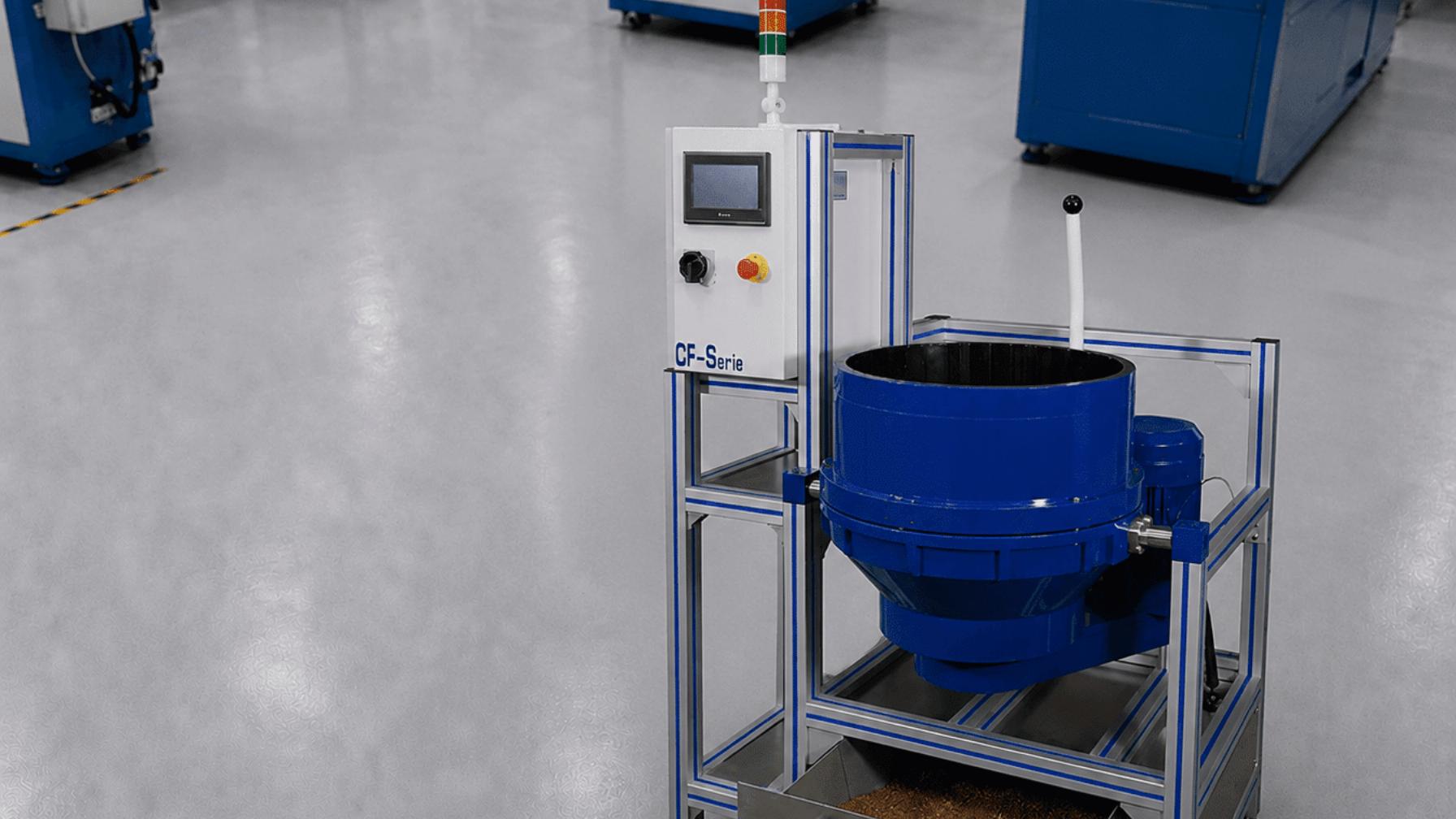
High-energy disc systems can use the same part material and still need a different abrasive media package than a vibratory bowl. <Centrifugal Disc Finishing Machine Can Be Adjusted to Different Abrasive Media> covers how disc finishing media is selected and adjusted.
| Process | Best application | Energy input | Edge control | Main limitation |
|---|---|---|---|---|
| Vibratory bowl or tub | Mixed high-volume batches | Low to moderate | Good for general rounding | Longer cycles on harder alloys |
| Centrifugal disc | Small to medium parts needing fast deburring | High | Good for radius development | Requires careful loading and part movement |
| Centrifugal barrel | Precision small parts in sealed barrels | High | Good, with less part-on-part contact | Lower throughput per load |
| Drag finishing | Tight-radius and cosmetic edges | Highest controlled contact | Excellent, fixed part orientation | Fixture cost and lower volume |
| Rotary barrel | Simple wet tumbling of non-critical edges | Low | Moderate | Slow and less aggressive |
Drag Finishing for Tight-Radius and Precision Stamped Parts
Drag finishing is the strongest choice when the stamped part is large, delicate, or already machined and the customer requires a repeatable edge profile. The part is clamped in a holder and dragged in a circular path through the media. Because the part is not free to tumble into its neighbors, impact damage is reduced and each edge sees a more consistent attack. This makes drag finishing useful for stamped brackets, surgical parts, aerospace-compatible components, and decorative hardware where a visible edge must look uniform.
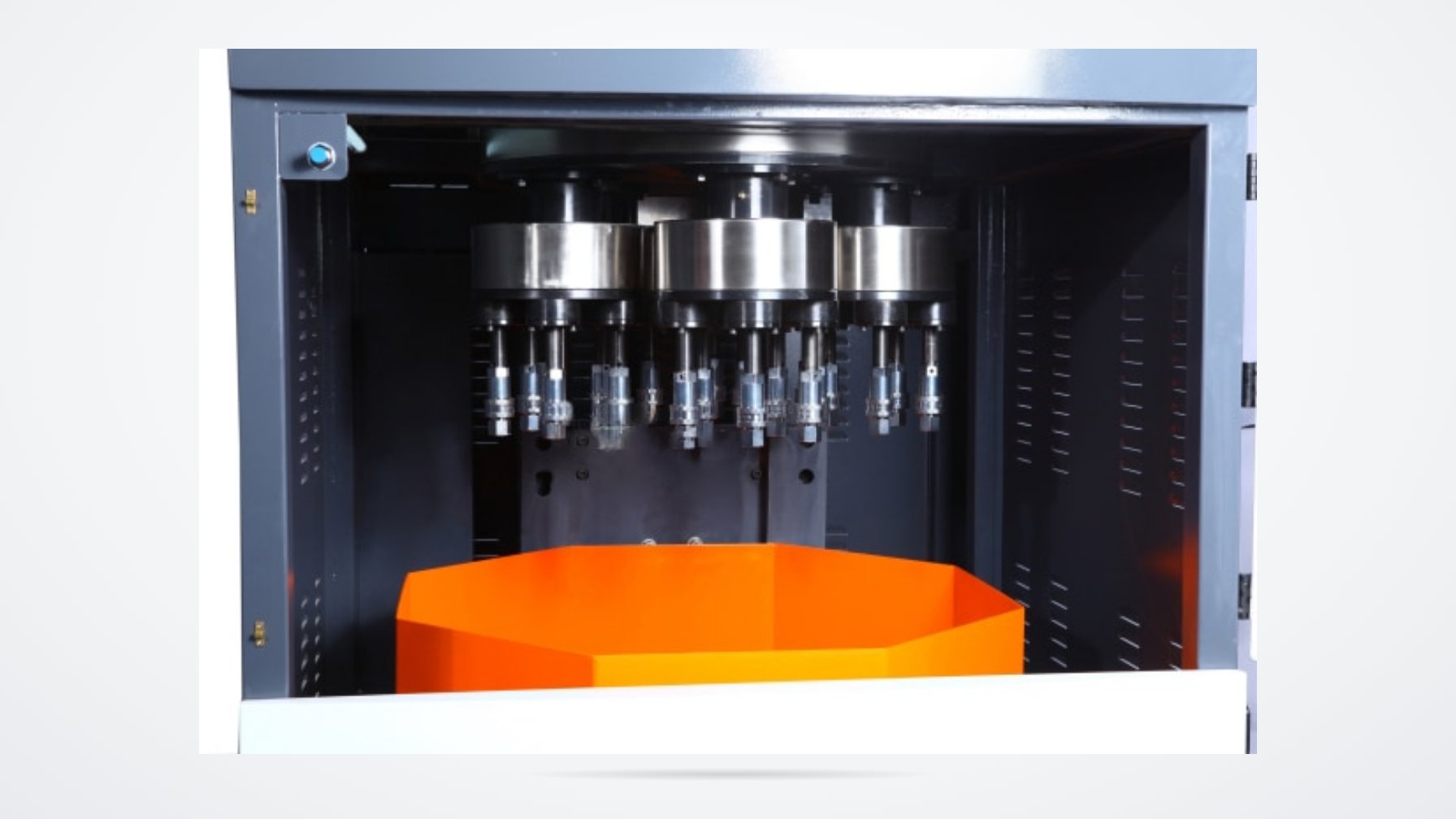
Drag finishing changes the workpiece and media relationship by holding the part while the media flows around it. <What Is a Drag Finishing Machine> covers the operating principle behind this type of precision finishing.
The main tradeoff is throughput and tooling. Each part or group must be fixtured, so set-up is longer than dumping a batch into a bowl. The benefit is less rework and a more predictable radius from the first samples.
Process Validation and In-Line Quality Checks
Edge rounding should be validated the same way as any other manufacturing step. Start with a fixed sample set, a known media charge, a measured compound concentration, and a set cycle time. After each run, inspect a representative group at several locations, not just the easiest edge. Record the radius or edge break with a radius gauge, comparator, or the customer’s accepted method. Check for unexpected metal removal, part distortion, media lodging, and surface staining. When the result meets the target, lock the recipe and inspect at planned intervals rather than adjusting on every load.
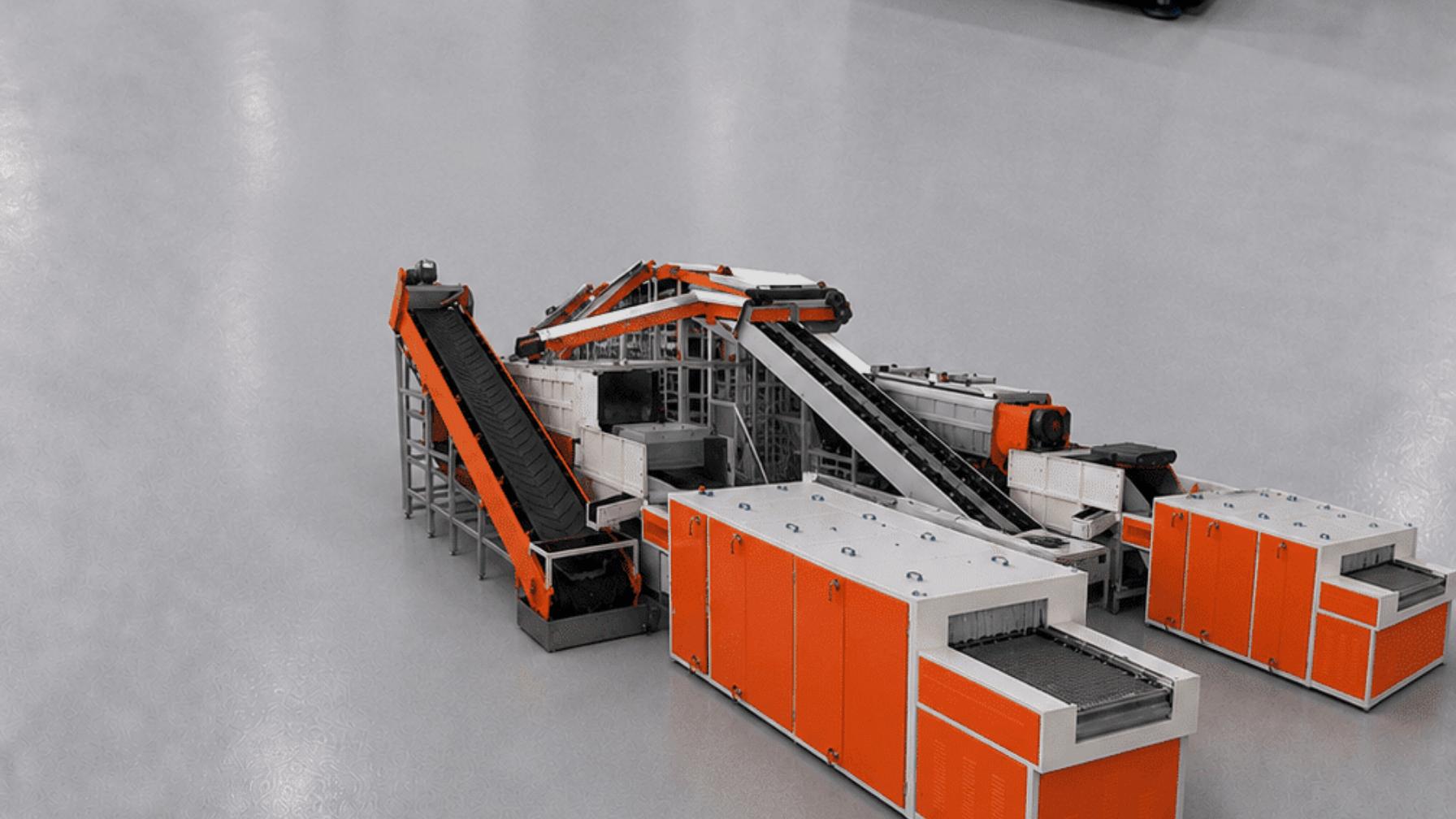
If the first trial removes too much material, reduce cycle time, switch to a smaller or lighter media shape, or lower the machine speed before changing the compound. If the edge remains sharp, increase media cut, check the media charge level, and confirm that parts are actually circulating rather than sitting in a dead zone. These corrections are more reliable than making several changes at once.
Plan a Representative Part Trial
A successful edge rounding process is easier to reach when the starting point is defined. Send representative stamped parts with material, thickness, current burr condition, required radius or edge break, target surface finish, plating or coating requirements, and batch volume. Mass Polishing can recommend a machine, media, and compound combination and run a trial to confirm the result. The goal is to eliminate sharp edges efficiently without creating a new finishing bottleneck.
Frequently Asked Questions About Stamped Part Edge Rounding
What edge radius can vibratory finishing produce on stamped steel parts?
Vibratory finishing can produce a visible radius and remove sharp edges, but the exact radius depends on media size, media shape, cycle time, and part hardness. Small ceramic shapes with adequate cycle time can create a stronger edge break than large round media. For a critical radius value, use a trial with the actual part and measure the edge before and after processing. Do not rely on cycle time alone as a radius specification; the part shape and load movement affect where the edge is cut.
How do I keep small stamped parts from nesting or sticking together?
Use dividers, a lower part-to-media ratio, or media shapes that prevent thin parts from locking together. Anti-adhesion beads are an option for very small workpieces. Wet processing also helps carry away fines that encourage sticking. If parts can nest, the edges inside the contact area will not round consistently. Inspect the load during the first trials and adjust the ratio or divider arrangement before increasing production.
Does edge rounding remove too much material or change part dimensions?
Some material is removed by design because the sharp corner is being replaced by a radius. The risk is uncontrolled removal on flat surfaces or critical features. That is managed by choosing the right media cut, monitoring cycle time, and using masking or fixturing when necessary. For tight-tolerance parts, start with a lighter media and shorter cycle, measure the part, and move up only after dimensions remain acceptable.
When should I choose drag finishing instead of vibratory finishing for stamped parts?
Choose drag finishing when the part requires a tight edge profile, controlled orientation, low impact damage, or a uniform cosmetic edge. Vibratory finishing is better for high-volume batches where free movement is acceptable. The decision comes down to tolerance, part value, and throughput. If the cost of rework from edge variation is higher than the extra fixturing labor, drag finishing is often the more economical process.
Can one machine handle both edge rounding and pre-plate surface preparation?
Often yes. The same vibratory bowl or high-energy disc can remove sharp edges and then refine the surface for plating by changing media and compound, and in some cases the cycle. The machine is not the only variable. A fast-cutting ceramic step may be followed by a finer plastic or porcelain step. If the demand is continuous, a two-step line or a machine with separation can reduce handling between stages.
If you’re interested, check out these related articles:
Isotropic Surface Finishing the Benefits of Centrifugal Barrel Finishing for Time and Cost Savings
How to Extend the Service Life of Automatic Polishing Machine
Polishing Inconel Parts Tips and Techniques