
Mass finishing is not a single machine sale. It is a repeatable process business built on deburring, polishing, edge rounding, burnishing, and surface preparation across metal and non-metal components. For distributors and importers, that creates a more stable commercial position than many industrial equipment lines: customers buy a machine, then continue buying media, compounds, spare parts, dryers, separation equipment, and wastewater treatment as their production volumes grow.
The most important decision is not simply which finishing machine to sell. It is whether the manufacturing partner behind the equipment can support application development, consistent quality, export documentation, and long-term service. This guide explains how a finishing equipment distributor partnership can be structured, what product lines create repeat demand, and how to qualify and launch a territory.
Why Finishing Equipment Distribution Supports Repeat Business
Finishing equipment sits at the junction of machining, casting, stamping, jewelry production, medical manufacturing, automotive supply, and additive manufacturing. A shop that buys one vibratory bowl rarely stops there. Once in-house finishing proves cost-effective, the same customer typically adds separation, drying, wastewater treatment, faster cutting media, and a second machine for a different part family.
For a distributor, that means each machine order can become a process account rather than a one-time transaction. Consumables such as ceramic media, plastic media, steel burnishing media, compounds, and magnetic pins create recurring purchase cycles. Spare parts such as polyurethane linings, springs, motors, screens, and drive components extend the service relationship.
A well-supported territory therefore needs more than a price list. It needs a factory that can help a local customer choose the correct media shape, machine speed, compound dosing, water flow, and cycle time. That technical depth becomes the distributor’s selling advantage.
Application knowledge is often the main difference between winning a project and losing it to a lower-spec quotation. <Expert Vibratory Finishing Machine Supplier> covers what factory-level selection support looks like in practice.
What a Strong Distributor Partnership Should Include
A finishing equipment distributor program should be structured around four practical requirements: product availability, application support, commercial flexibility, and export reliability.
Product availability means the factory can supply machines across enough capacity classes and technologies to cover local demand. It should include compact models for small workshops, mid-size machines for job shops, and large-capacity trough or automatic systems for production lines. A narrow catalog forces a distributor to walk away from profitable projects that require a different finishing method.
Application support means the factory can process sample parts, report before-and-after surface results, recommend media and compound combinations, and define a realistic cycle time for the customer’s material and geometry. This is engineering work, not just sales support.
Commercial flexibility includes dealer pricing, volume-tier transfer pricing, private-label options, OEM builds, and clear documentation for import, CE-related requirements where relevant, and after-sales parts. Export reliability covers stable packing, complete shipping documentation, and predictable lead-time communication.
Quality systems also matter. A structured quality management approach aligned with ISO 9001 requirements helps keep machine production consistent from order to order [1]. For equipment exported into regulated markets, electrical and mechanical design should follow recognised safety principles, including the machinery safety expectations set out in the European Machinery Directive where applicable [2].
Product Lines That Create a Full Portfolio
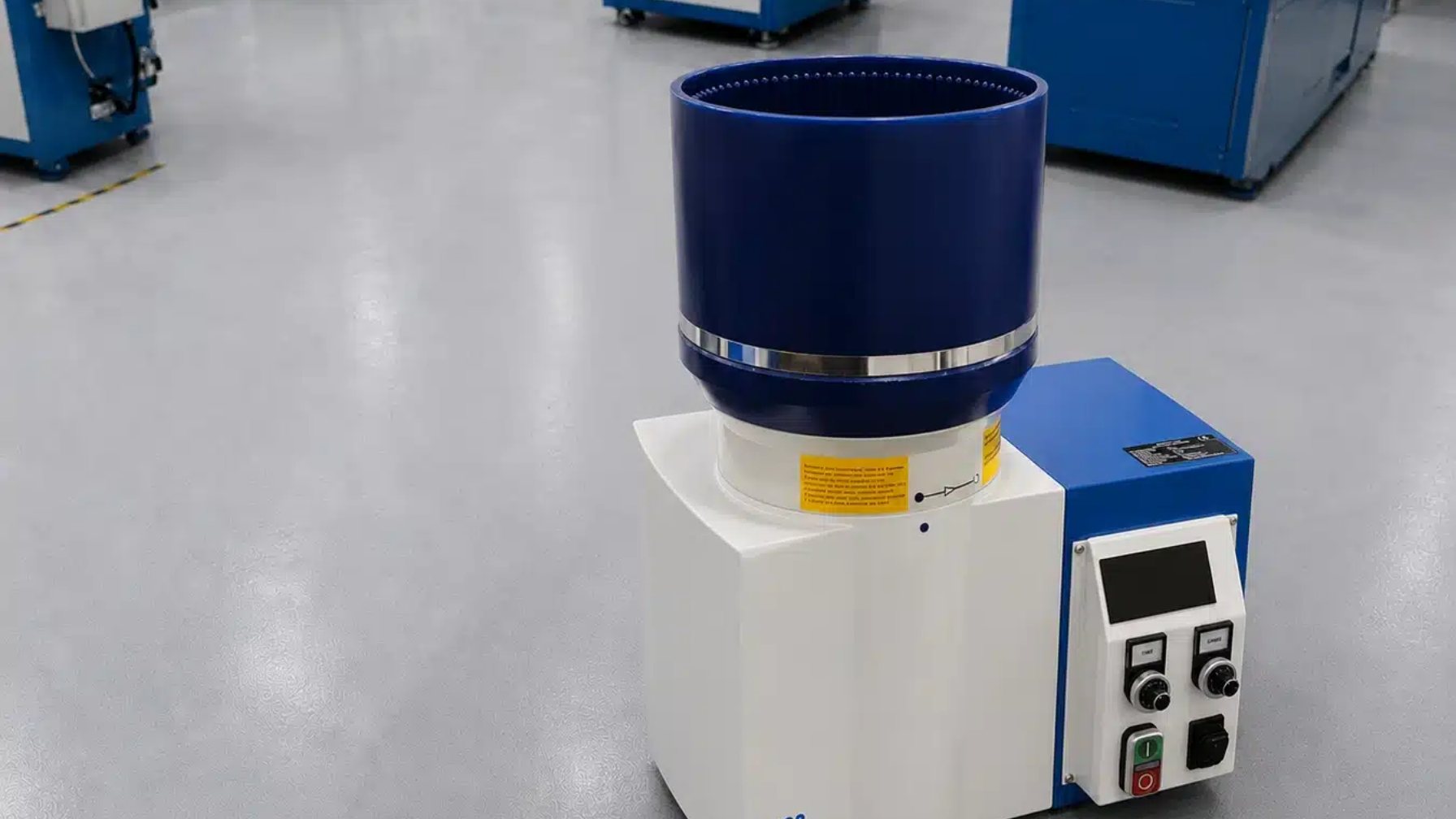
A distributor serves more customers when the portfolio covers both high-volume and precision applications. Mass Polishing’s range includes several complementary machine families.
| Product line | Typical application | Distributor opportunity |
|---|---|---|
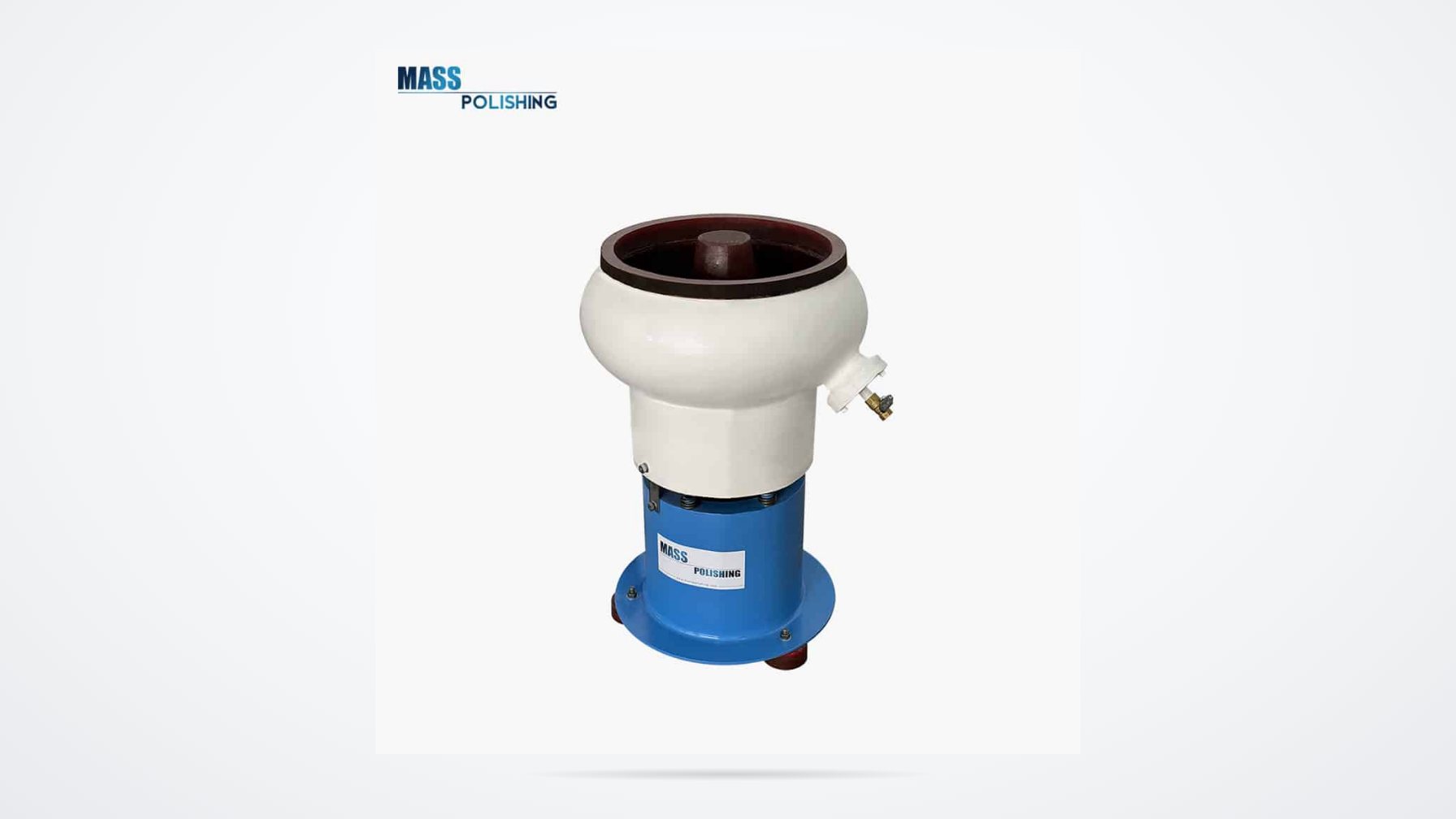
| Vibratory finishing machines | Deburring, radiusing, polishing, cleaning | Broad entry-level and production demand |
| High-energy centrifugal barrel and disc machines | Fine finishing, short cycle times, precision parts | Premium accounts and aerospace or medical work |
| Trough and tub vibrators | Long, large, or fragile workpieces | Specialised industrial projects |
| Dryers, separators, and wastewater systems | Complete finishing lines | Larger order value and engineering-led sales |
| Media, compounds, and magnetic pins | Repeat deburring and polishing consumables | Recurring revenue after the machine sale |
The product range allows a distributor to start with proven, easy-to-quote equipment such as Vibratory Finishing Machines and Rotary Barrel Tumbling, then expand into Centrifugal Disc Finishing and Centrifugal Barrel Finishing for customers who need faster processing or finer surface quality.
Beyond the machine sale, distributors can offer Magnetic Finishing for small precision components, Drag Finishing for edge-controlled mirror work, and Automatic Sewage Treatment for customers that must manage process water responsibly.
A distributor catalog is stronger when it includes both the machine and the process around it. <The Benefits of a Vibratory Deburring Machine> covers how the right deburring system becomes the foundation for repeat customer demand.
Partnership Models: Dealer, OEM, and Private Label
Distributors do not all need the same relationship. Some want to represent an established factory brand. Others want to build their own brand using a qualified manufacturing partner.
A dealer program suits companies that already sell into metalworking, hardware, automotive, jewelry, or industrial supply channels. They benefit from technical documentation, model specifications, and factory support while selling under the manufacturer’s line.
An OEM arrangement is appropriate when a distributor needs custom machine configurations, specific voltages, or adapted guarding for local requirements. The factory supplies the machine and engineering support, while the distributor manages local installation and service.
A private-label or white-label program lets a distributor place its own brand on selected machines and consumables. This works best for companies with an established customer base and a clear regional sales strategy. In all models, design files, voltage configuration, safety devices, and control panel options can be specified before production.
Distributors should match the partnership model to their existing customer access, not to the lowest initial purchase price. <Vibratory Tumbler for Purchase> covers important buying considerations when building a finishing equipment inventory.
For most new distributors, the fastest path is a hybrid model: start with selected dealer stock, test demand with one or two machine classes, then add private-label options after local sales data supports the investment.
From Sample Processing to Territory Launch
Serious buyers usually decide after seeing their own parts processed. A distributor who can offer sample testing has a measurable advantage. The factory should receive customer parts, evaluate material and geometry, select a media and compound combination, run a controlled cycle, and return before-and-after results.
This sample work also builds the distributor’s own confidence. It converts vague questions about surface finish into documented process evidence. The next step is quoting a complete package: machine, media, compound, separation, drying, and any required wastewater treatment.
Training should cover machine operation, daily maintenance, media loading, water and compound dosing, separation procedures, and basic troubleshooting. These are the points that reduce after-sales friction and protect the distributor’s local reputation.
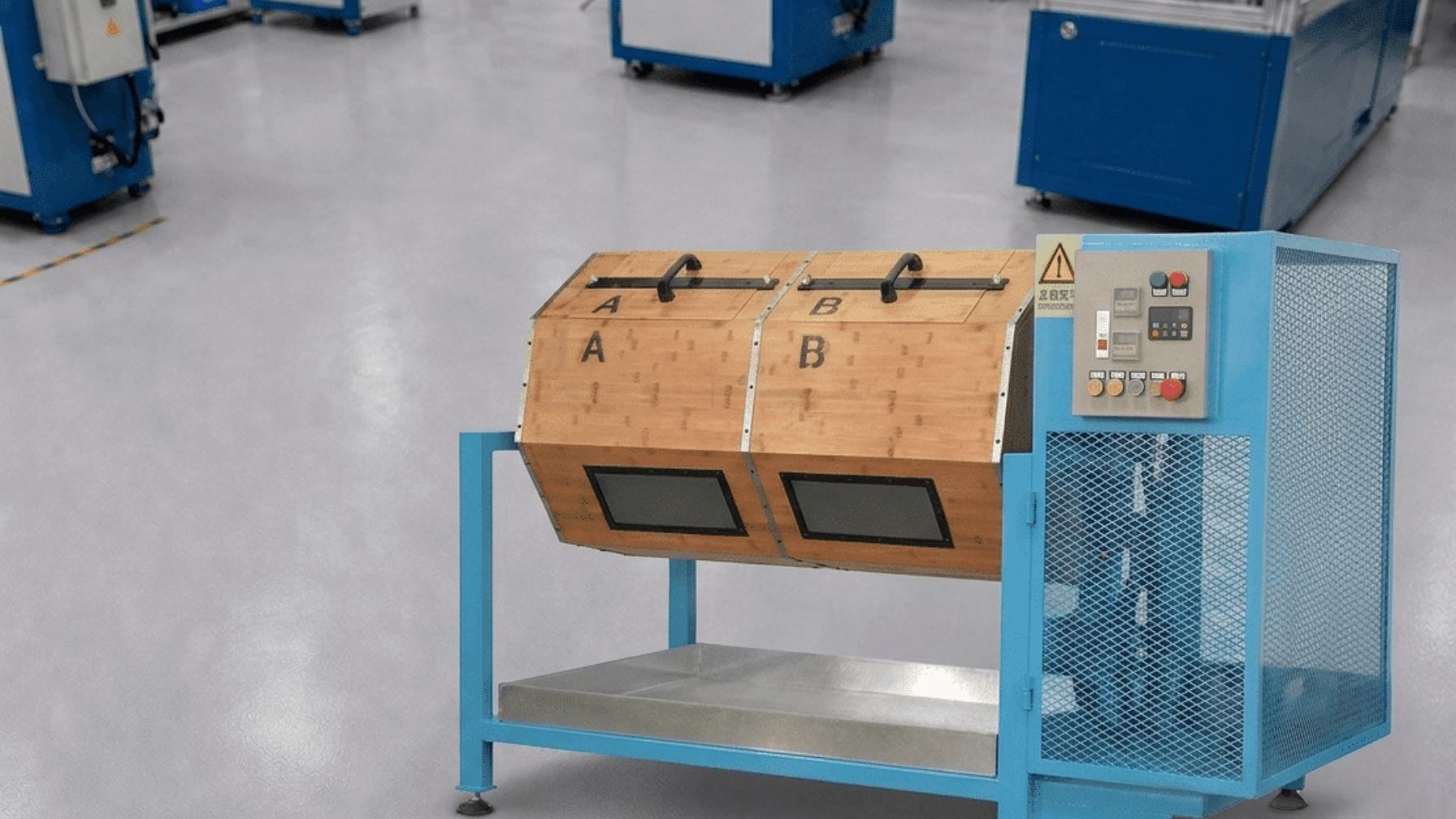
Equipment control systems should support simple operator routines. Process timers, emergency stop functions, speed controls, and optional PLC touch screens make it easier for customer teams to run consistent cycles. Electrical equipment used in such controls should meet recognised machinery electrical safety practices [3].
End CTA: Start a Distributor Conversation
If you are exploring a finishing equipment distributor partnership, the first step is a structured inquiry rather than a broad request for a price list. A clear inquiry helps the factory respond with suitable machine classes and realistic territory terms.
Send the following information to the export team at [email protected] or through the website inquiry form:
- Company background and current product lines
- Target territory and existing customer segments
- The finishing applications you expect to encounter
- Whether you are interested in dealer, OEM, or private-label supply
- Initial machine categories and estimated volume
- Spare parts, media, and service expectations
The factory can then recommend a practical starting range instead of presenting an overwhelming full catalog.
FAQ
What is the minimum order quantity for distributors?
Minimum order quantities vary by machine category and partnership model. Compact vibratory machines may be ordered as single units for territory trials, while larger automatic systems and private-label production runs are planned differently. The distributor agreement defines the exact structure after the application is reviewed.
Do you offer exclusive territories?
Exclusive territory options are evaluated case by case. The evaluation generally considers existing market coverage, annual volume commitment, technical service capability, and the distributor’s ability to develop customers rather than simply resell.
Can I sell under my own brand?
Yes. OEM and private-label supply are available for machines and selected consumables. Branding, voltage, control configuration, safety features, and documentation are confirmed during the project specification stage.
What support do you provide after the sale?
Support includes application development, sample processing, operator training, spare parts supply, media and compound replenishment, and technical guidance for process changes. The goal is to keep the customer’s finishing line productive, which protects repeat business for the distributor.
How are export packing and documentation handled?
Machines are packed for container loading, and export documentation is prepared according to the destination market. Packing methods, voltage requirements, and technical files should be confirmed before production so that delivery and local acceptance proceed without unnecessary delay.
References
- ISO 9001:2015, Quality management systems — Requirements, International Organization for Standardization.
- Directive 2006/42/EC of the European Parliament and of the Council on machinery, Official Journal of the European Union.
- IEC 60204-1:2016, Safety of machinery — Electrical equipment of machines — Part 1: General requirements, International Electrotechnical Commission.
If you’re interested, check out these related articles:
Key to the Success of Finishing Process
The Importance of Selection and Coordination Between Grinders Abrasives and Workpieces
How to Choose the Abrasive of Vibration Grinder
Tumbling Media Selection
Operation Precautions of Vibrating Grinder