
High-volume batch part deburring is a different discipline from manual edge break or one-off finishing. In manual deburring, a skilled operator can adjust hand pressure to compensate for burr variation. In a high-volume process, the equipment and the recipe have to do that compensation. The goal is a controlled edge break, a repeatable surface finish, and no part-on-part damage across thousands of parts per shift.
A practical batch part deburring solution starts with the part, not the machine. The same burr location on a brass faucet body, a zinc die-cast connector, a stamped bracket, and a CNC-machined steel component will respond differently to vibratory action, centrifugal force, and drag finishing. The process has to be selected around geometry, material, required surface texture, and throughput.
What High-Volume Consistent Quality Means
Consistent quality in deburring is measurable. You are typically managing three outputs: edge radius or edge-break geometry, surface roughness average (Ra), and cosmetic condition. Surface texture is commonly specified and measured according to ASME B46.1 [1]. Ra values are indicated on drawings using the rules in ISO 1302 [2].
In addition to the measured finish, a repeatable process needs documented control over media type, media fill level, compound concentration, water flow, cycle time, and loading sequence. ISO 9001 [3] provides a useful framework for controlling these process inputs and maintaining records that link each job to a validated recipe.
Batch Deburring Processes for Production Volumes
Vibratory Finishing
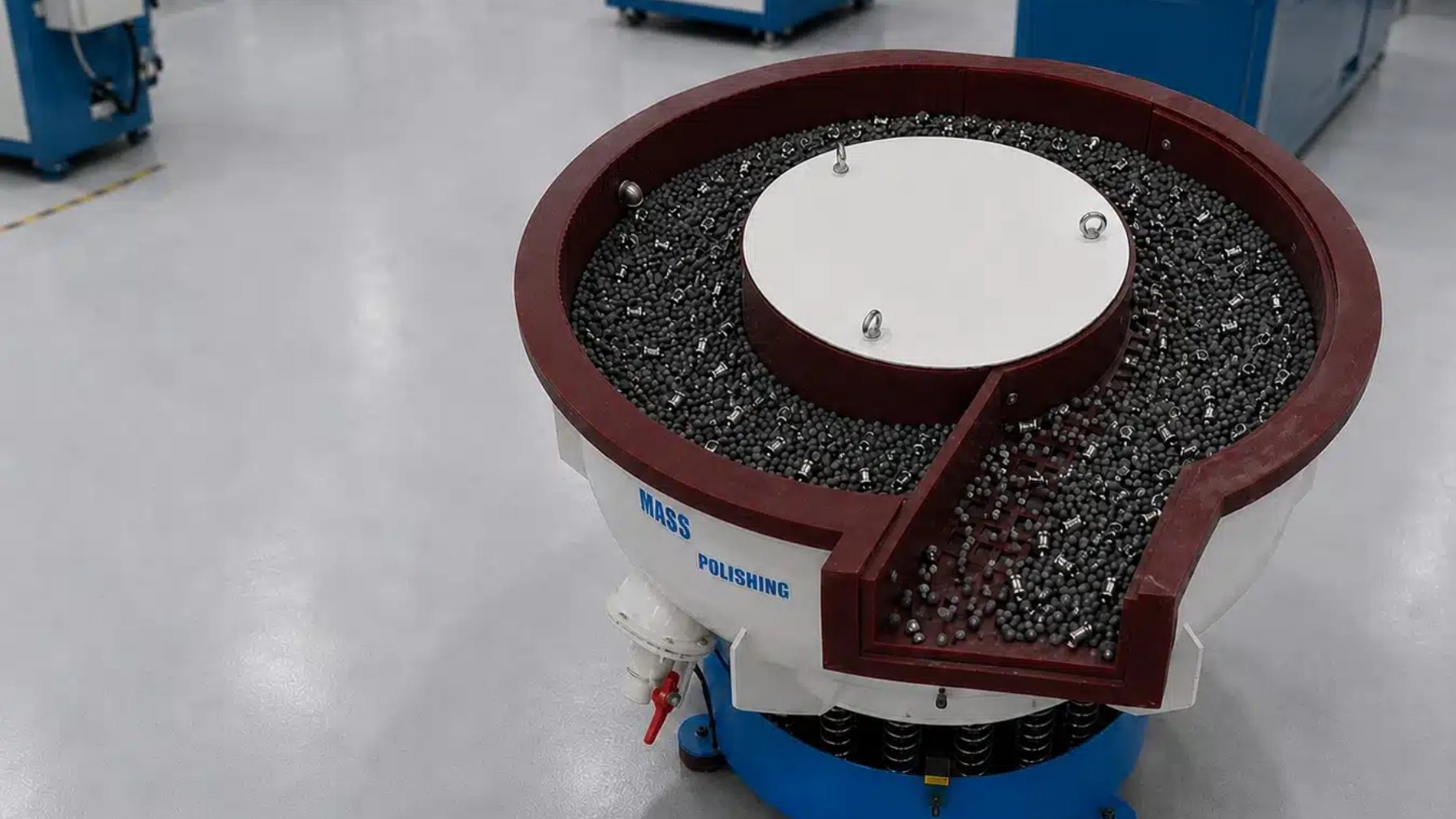
Vibratory finishing is the default choice for many high-volume deburring applications because it combines a low cost per part with gentle enough action for mixed part families and delicate edges. A vibratory bowl uses an imbalanced motor to create a toroidal media flow. Parts are carried through the media, and burrs are removed by repeated contact with ceramic or plastic media.
For production consistency, the bowl should be matched to the batch size. Vibratory finishing machines in the SW series start at 30 L for small batch work and scale up to 2500 L for high-volume processing. Machines with a built-in separation system, such as the SWS configuration, reduce manual handling and help keep the cycle repeatable because parts and media are separated the same way every time.
Vibratory deburring is most consistent when bowl geometry, media shape, and compound are matched to the batch load. <Benefits of a Vibratory Deburring Machine> covers how vibratory deburring reduces hand finishing and improves cycle consistency.
Centrifugal Disc and Barrel Finishing
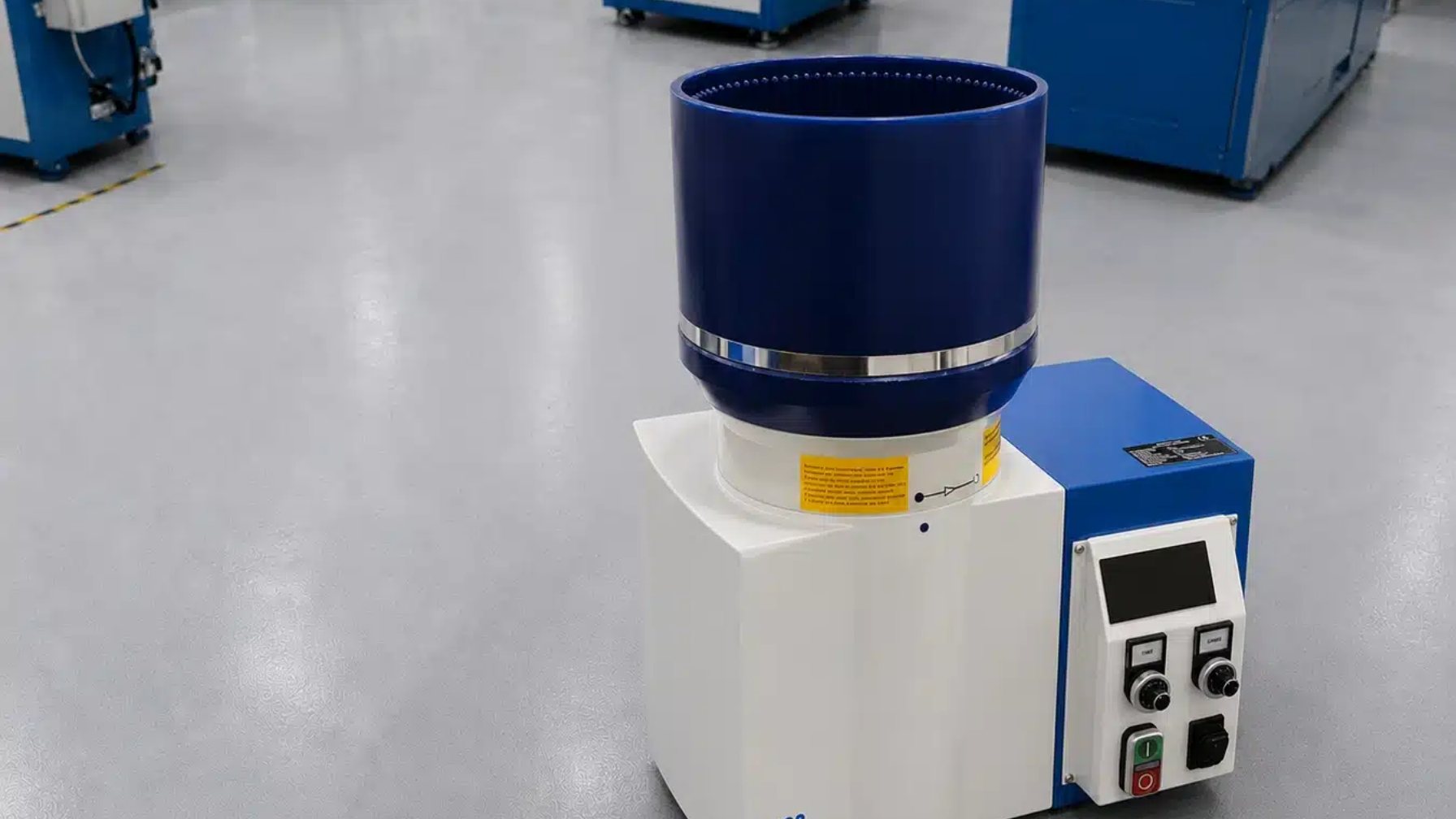
When burrs are heavier, internal edges are harder to reach, or cycle time is a bottleneck, centrifugal finishing provides a higher-energy alternative. Centrifugal disc machines use a rotating disc at the bottom of a stationary chamber. The ED series delivers 10–15 times greater force than conventional vibratory systems, making it suitable for stamped, cast, and machined components that need aggressive deburring or a finer pre-plate finish. Capacities in the standard centrifugal disc finishing range run from 50 L to 240 L.
For small precision parts, centrifugal barrel finishing uses four rotating barrels mounted on a turret to create high G-forces. EB series machines range from the EB 30 with four 7.5 L barrels up to the EB 360 with four 90 L barrels. This action is well suited to hardened parts, small gears, and components with internal bores where media flow must be forced into recesses.
Machine – Precision Deburring)
When burr conditions are more aggressive, centrifugal barrel finishing applies higher energy to reach edges that vibratory media may not touch quickly. <Centrifugal Barrel Deburring Machines High Efficiency Mass Finishing Solutions> covers CBF process parameters and high-efficiency deburring results.
Trough and Continuous Systems
For long shafts, rails, extrusions, and large castings, a round bowl may not provide the right flow path. Tub vibrators provide a U-shaped channel and linear vibration. The TV series covers working bowls from compact 80 L models up to 6000 L industrial troughs, making it possible to finish long workpieces without manual grinding. When product mix is stable and volume is very high, automatic systems can link finishing, washing, and drying into a single line.
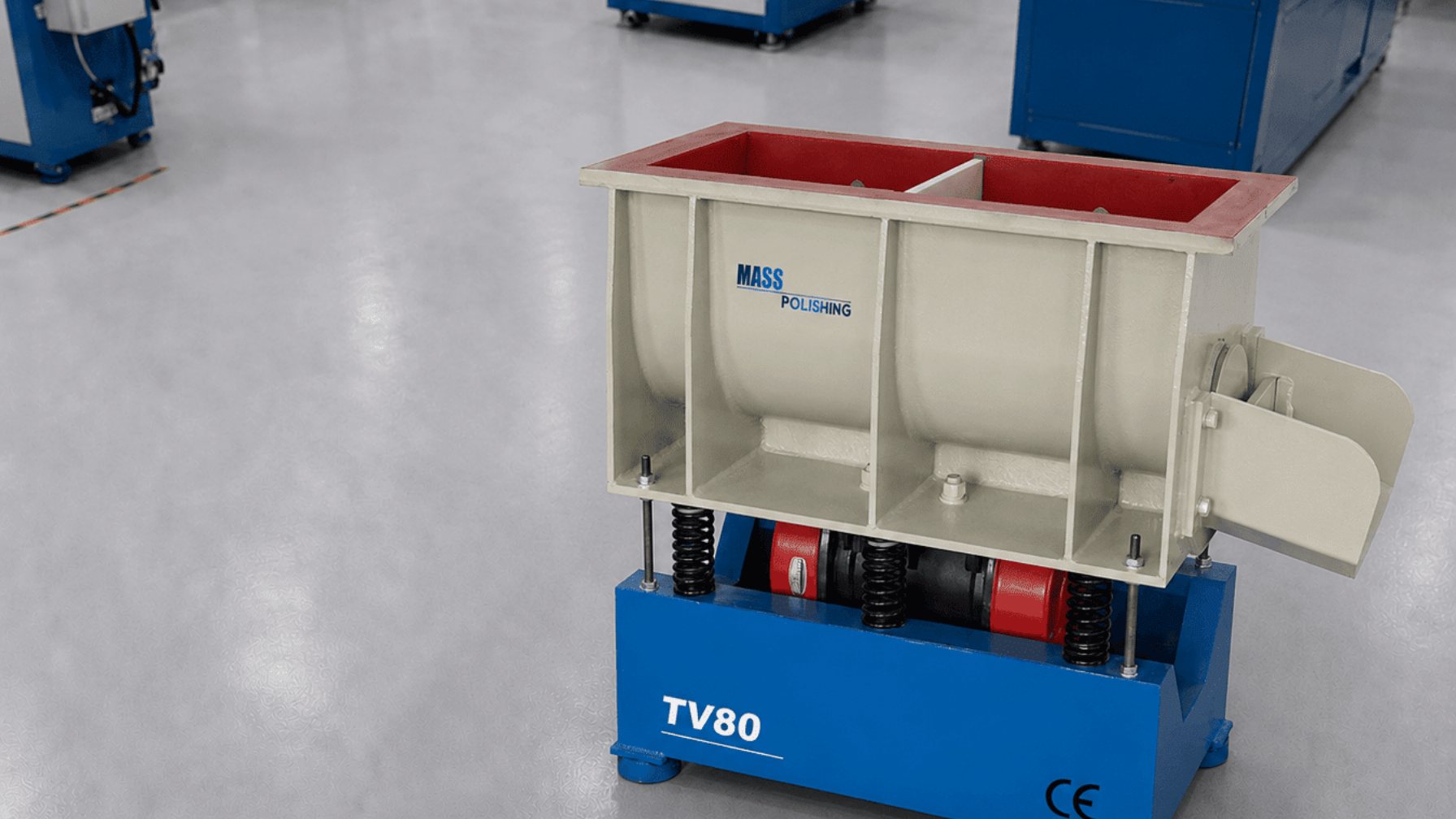
For parts that are long, heavy, or sensitive to part-on-part contact, trough finishing offers a more controlled path than a round bowl. <Revolutionize Your Metal Finishing Process with Vibratory Tub Finishing> covers tub vibrator applications and batch flow for large workpieces.
Whichever process you choose, the selection should be proven on your parts. A short sample run is the most reliable way to compare edge-break quality and cycle time between vibratory and centrifugal options. Mid-process note: if you are weighing process options, email your part drawing, material specification, and a few burr images to our engineering team. That information is usually enough to recommend a starting process and media package before a sample run is scheduled.
Matching the Process to Your Parts
The table below is a starting point for narrowing the equipment choice before running a test.
| Part Profile | Preferred Batch Process | Reason |
|---|---|---|
| Aluminum and zinc die castings | Vibratory with plastic or light-cut ceramic media | Gentle enough to avoid over-radiused edges at high volume |
| Steel CNC parts and hardened components | Vibratory with tough-cut ceramic media, or centrifugal disc/barrel for heavier burrs | Higher cutting force reaches machined edges |
| Small precision parts, gears, watch components | Centrifugal barrel or drag finishing | Controlled high-energy action for fine edge break |
| Long shafts, rails, extrusions | Vibratory trough | Linear flow avoids tight bowl curl |
| Mixed part families in a job shop | Vibratory bowl with adjustable speed and separation | One system covers multiple shapes |
Building a Repeatable Batch Deburring Recipe
A repeatable recipe is more than selecting media. It includes media-to-parts ratio, compound type and concentration, water flow for wet processes, cycle time, and separation. For a stable process, record these parameters and audit them at the start of each shift.
Media-to-parts ratio matters because an underfilled or overloaded bowl changes contact frequency and edge-break rate. As a practical rule, the bowl should be loaded so parts are suspended in media rather than sitting directly on the channel wall. The exact ratio should be determined by sample processing on the target machine.
Ceramic media is available in formulations from light cut to super fast cut, allowing the process to be tuned for edge-break aggressiveness. Plastic media is preferred for pre-plate finishing of softer non-ferrous components because it cuts without embedding. Steel media is used for burnishing and brightening rather than heavy burr removal.
Compound choice is also specific. Liquid compounds clean, degrease, inhibit rust, or support polishing. In wet vibratory finishing, a dual-channel liquid feeding system doses water and compound separately, which keeps concentration more stable than manual mixing.
Quality Control and Cost per Part
Quality control in batch deburring should combine in-process checks with final measurement. For critical surfaces, record Ra on a defined sampling plan using the method in ASME B46.1 [1]. Visual standards can be used for edge condition, but they are easier to maintain when paired with a written defect list and representative limit samples.
Cost per part is driven by labor, consumables, cycle time, and rework. A high-volume vibratory bowl may have a higher initial footprint than manual benches, but it removes labor from the operation and makes the edge condition more uniform. When rework drops, total cost per finished part usually improves.
Scaling from Job Shop to Production Line
For high volume, separation and material handling determine real throughput. A machine with integrated separation eliminates a manual step. Automatic mass finishing systems can combine deburring, washing, heating, and drying, which is valuable when production runs consistently. Continuous feed vibratory systems process multiple part streams in parallel, while linear continuous flow equipment handles high-volume standardized parts.
Automation should follow process stability, not precede it. Once the recipe is fixed and the batch size is known, material handling and inline separation can be added without compromising the finish.
Get a Tested Batch Part Deburring Solution for Your Parts
If you are planning a high-volume deburring line or trying to improve the consistency of an existing process, work from a tested process rather than a catalog selection. Send raw parts, drawings, and your target edge break or Ra values to Mass Polishing. Our engineers will analyze material, geometry, and production volume, then recommend a machine-media-compound combination and run sample processing on our equipment.
To prepare the inquiry, include:
- Part material and hardness
- Part dimensions and weight
- Burr location and thickness
- Current deburring method and cycle time
- Target surface finish or plating requirement
- Daily or monthly volume
With these inputs, the engineering team can provide a practical starting recipe and help you scale from sample run to full production.
Frequently Asked Questions
What is the best batch deburring machine for high-volume parts?
The best choice depends on part size, material, burr location, and target finish. For most mixed high-volume work, vibratory finishing is the first process to evaluate. For heavy burrs or precision edges, centrifugal disc or barrel finishing is more effective.
How many parts can a vibratory finishing machine process per cycle?
Machine capacity is defined by bowl volume, not a universal part count. SW series models range from 30 L to 2500 L, and the part count depends on part size, weight, and whether part-on-part contact is acceptable. Capacity should be validated with a sample load on the exact machine.
Can batch deburring achieve a mirror finish?
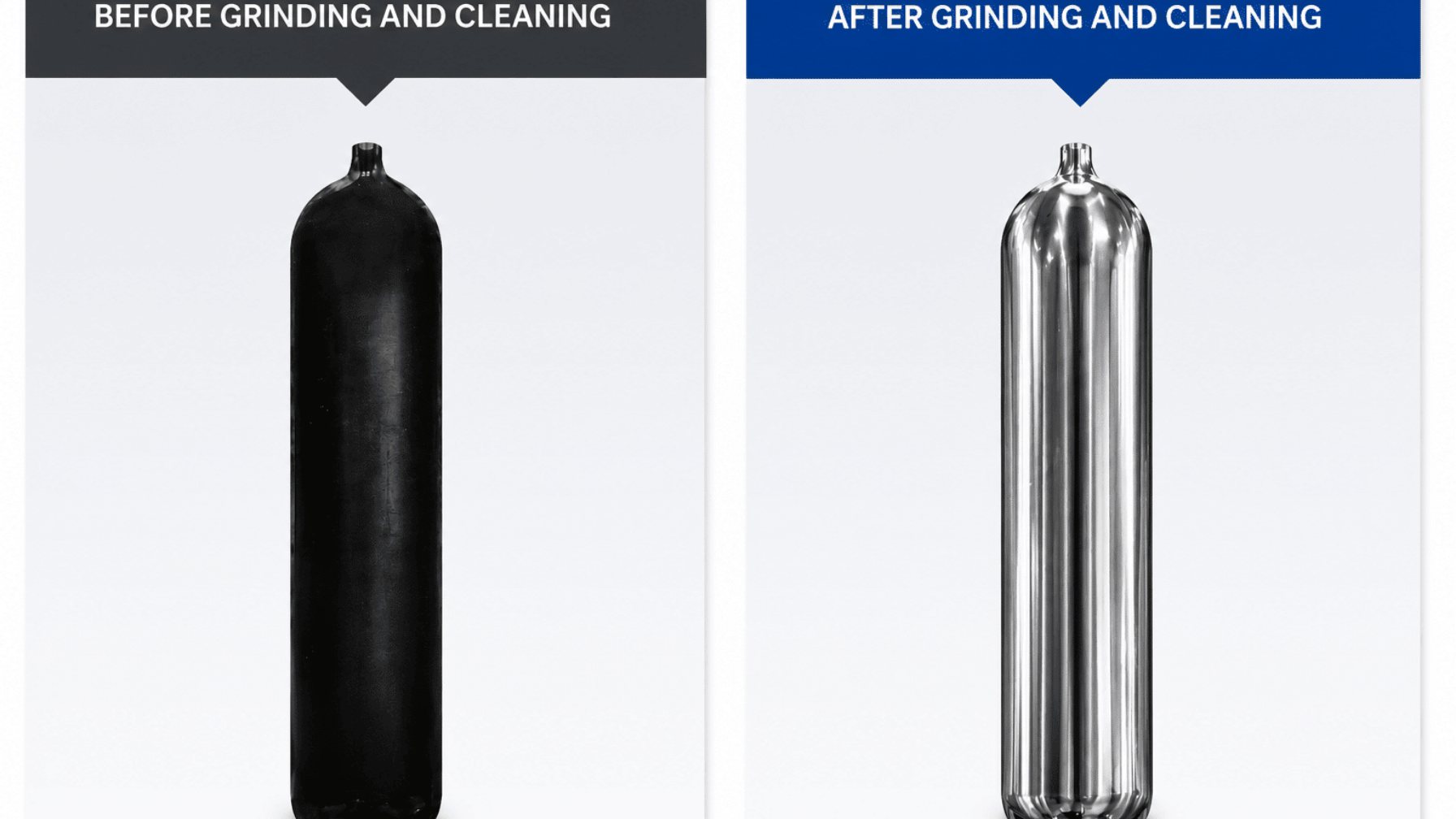
Deburring and mirror polishing are related but distinct. Aggressive deburring is often followed by fine polishing with porcelain, zirconia, or burnishing media. High-energy centrifugal systems can take precision parts to a bright finish, but the final result depends on the starting surface condition and process sequence.
What is the difference between ceramic and plastic deburring media?
Ceramic media is denser and more aggressive; it is suited to steel, stainless steel, and harder alloys. Plastic media is lighter and less aggressive; it is often used on aluminum, zinc, brass, and pre-plate applications to avoid over-cutting soft surfaces.
How do you keep edge break consistent from batch to batch?
Use fixed process parameters: media type and shape, media fill level, compound concentration, water flow, cycle time, and loading sequence. Record these values and inspect a defined sample from every batch. Replenish worn media on a documented schedule.
Can deburring systems be automated for high-volume production?
Yes. Machines with built-in separation reduce manual sorting, and automatic finishing lines can link deburring, washing, heating, and drying. Automation works best after the deburring recipe is stable.
References
[1] ASME B46.1-2019, Surface Texture (Surface Roughness, Waviness, and Lay), American Society of Mechanical Engineers, New York, 2019.
[2] ISO 1302:2002, Geometrical Product Specifications (GPS) — Indication of Surface Texture in Technical Product Documentation, International Organization for Standardization, Geneva, 2002.
[3] ISO 9001:2015, Quality Management Systems — Requirements, International Organization for Standardization, Geneva, 2015.
If you’re interested, check out these related articles:
The Functions of Vibratory Deburring Machine
Characteristics and Applications of Grinding Stones of Different Materials