
Oxide removal from hardware is the step that determines whether a later finish holds or fails. Plating and coating lines cannot hide heat scale, rust, or zinc corrosion, because these residues leave voids, weak adhesion, and cloudy deposits. We treat oxide removal as a preparation problem for the alloy, oxide thickness, and final surface, not as a single chemical dip. This article explains how to set up that pre finishing stage so brass, steel, and zinc hardware reaches the polishing or plating line with clean, uniform, active metal.
What Does Oxide Removal from Hardware Actually Need to Achieve?
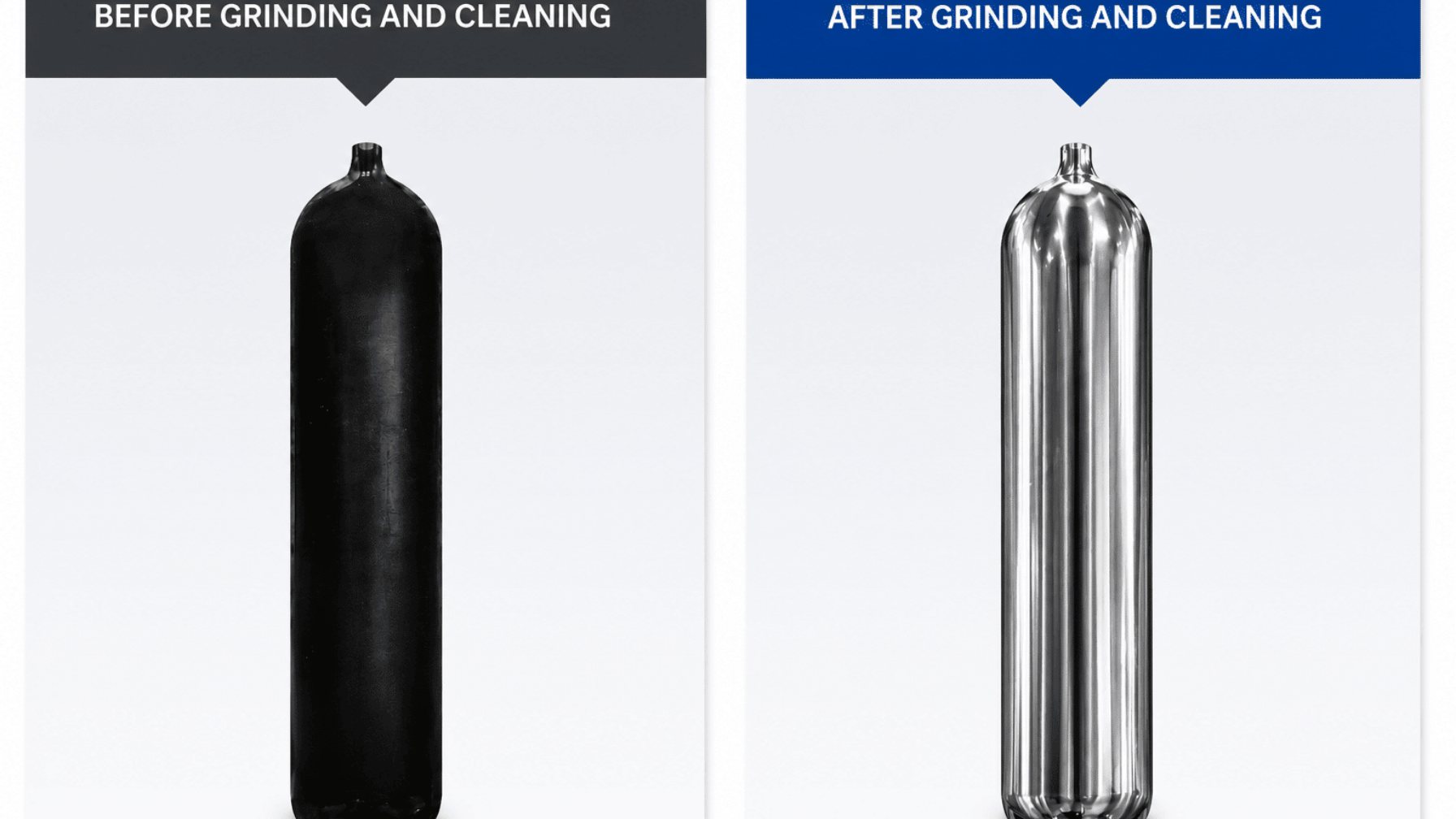
Oxide removal from hardware has two jobs: strip the outer scale or corrosion layer and leave the base metal smooth enough for the next process. A bright surface is not the same as a clean surface. Heat scale from forging or annealing is hard, brittle, and chemically different from the base metal. Rust on carbon steel is porous and traps oil. Tarnish on brass is a thin copper and zinc oxide film that can pass into a plating bath if not removed. White corrosion on zinc die castings is not simply surface dust; it is an adherent zinc hydroxide and zinc carbonate layer that blisters under plated deposits.
That is why we check three results before a part leaves pre finishing. First, no visible oxide remains in threads, blind holes, or lettering. Second, the surface is uniform to the eye, without bright patches alternating with dull oxide. Third, the part does not flash rust or tarnish again within the time it waits for plating.
| Hardware material | Typical oxide or scale | Preferred removal route | Pre finishing watch point |
|---|---|---|---|
| Carbon steel | Mill scale, red rust | Acid pickling or aggressive ceramic media, then alkaline rinse | Flash rust before plating |
| Stainless steel | Heat tint, weld oxide | Acid cleaning or ceramic finishing | Over etching at grain boundaries |
| Brass and bronze | Tarnish, cuprous oxide | Mild acid bright dip or fine plastic media | Copper redeposition in rinses |
| Zinc die cast | White corrosion, zinc oxide | Mild alkaline or plastic media, avoid strong acid | Surface pitting under plated layer |
| Plated hardware | Corrosion through damaged coating | Strip or spot clean, then re plate | Base metal attack behind coating |
Which Oxide Removal Process Works for Brass, Steel, and Zinc Hardware?
Hardware is rarely one alloy, so a single pickling bath is usually the wrong starting point. We separate oxide removal methods by how aggressive the oxide is and how soft the substrate is.
Brass and Bronze Hardware
Brass tarnish and fire scale respond to a short mild acid dip or an acidic cleaning compound. For mechanical work, plastic media in a vibratory bowl removes the oxide film without cutting deep into the soft metal. We use a fine pre plate plastic media such as the V grade because the 1500 grit abrasive leaves the smooth, bright surface that electroplating needs. If the parts carry deeper oxide from casting or brazing, a light ceramic cut followed by a higher shine step works better than one aggressive step.
Carbon Steel and Stainless Steel Hardware
Carbon steel mill scale and red rust require stronger mechanical or chemical action. Ceramic media in the FC, TC, or SC ranges gives the cutting work needed to break scale from threads and corners. For stainless steel heat tint, the mechanical route may not reach deep into narrow recesses; an acid cleaning step is often required first. The point is to remove the oxide, not to smear it into the surface. A smeared surface looks uniform but fails adhesion testing later.
Zinc Die Cast and Plated Hardware
Zinc die castings need a gentler path. Strong acid can open porosity and create pits that only appear after plating. A mild alkaline cleaner or a plastic deburring media removes white corrosion without attacking the zinc surface. The process then moves to a fine pre plate media before the parts go into the plating bath. The same principle applies to hardware that is already plated but shows corrosion through damaged coating: strip only the affected area when possible, then re clean and re plate.
Zinc die cast hardware is sensitive to both acid attack and surface smearing, so the oxide removal step should be treated as part of plating preparation rather than as a separate heavy cut. <Polishing Zinc Die Castings in Vibratory Tumbling Machines a Comprehensive Guide> covers the exact vibratory cycle and media choices that keep zinc surfaces clean and plateable.
How Do You Set Up Vibratory Finishing for Oxide Removal?
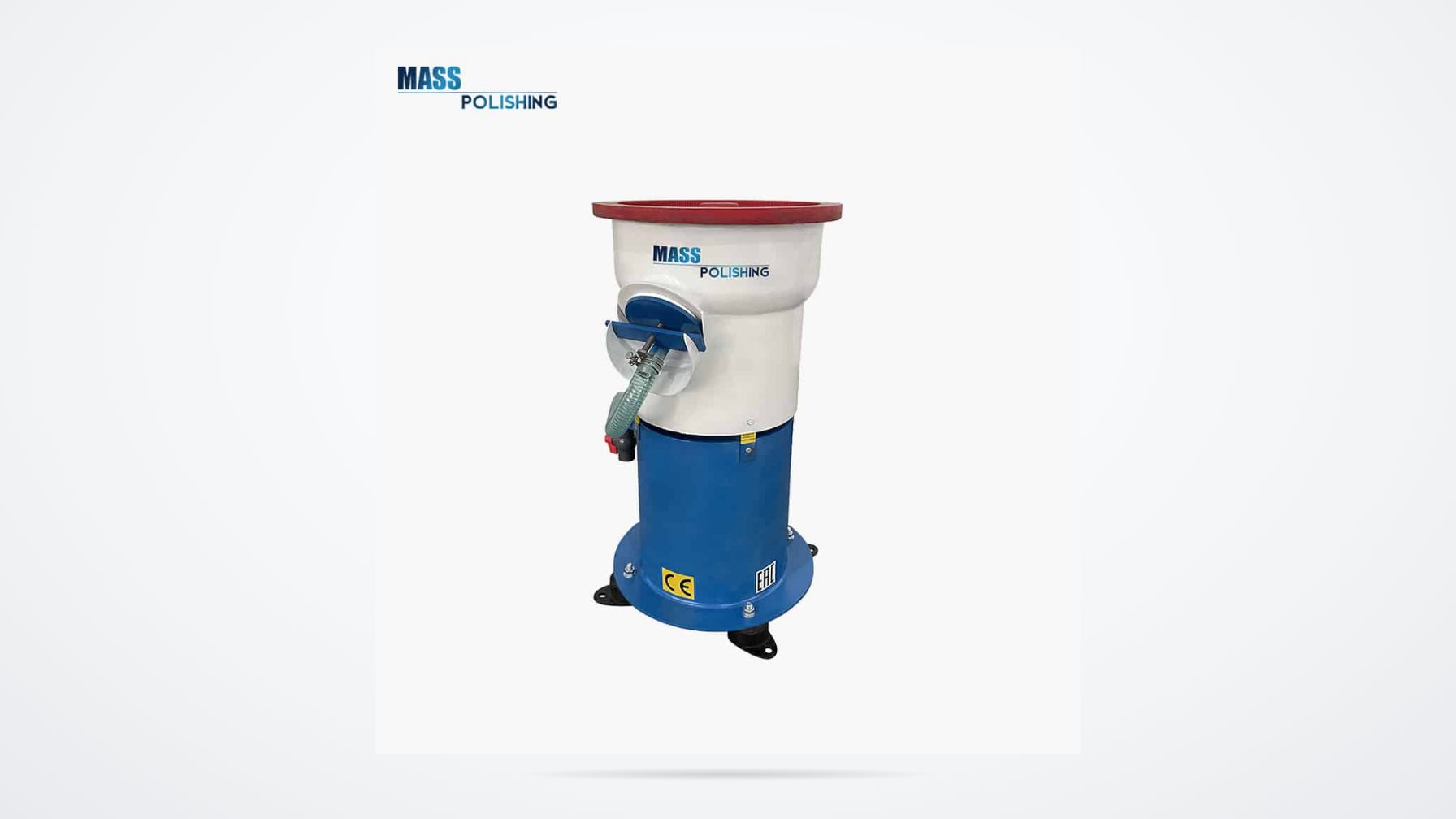
Vibratory finishing is not a single setting. The same machine produces different oxide removal results depending on media, compound, water flow, and machine speed.
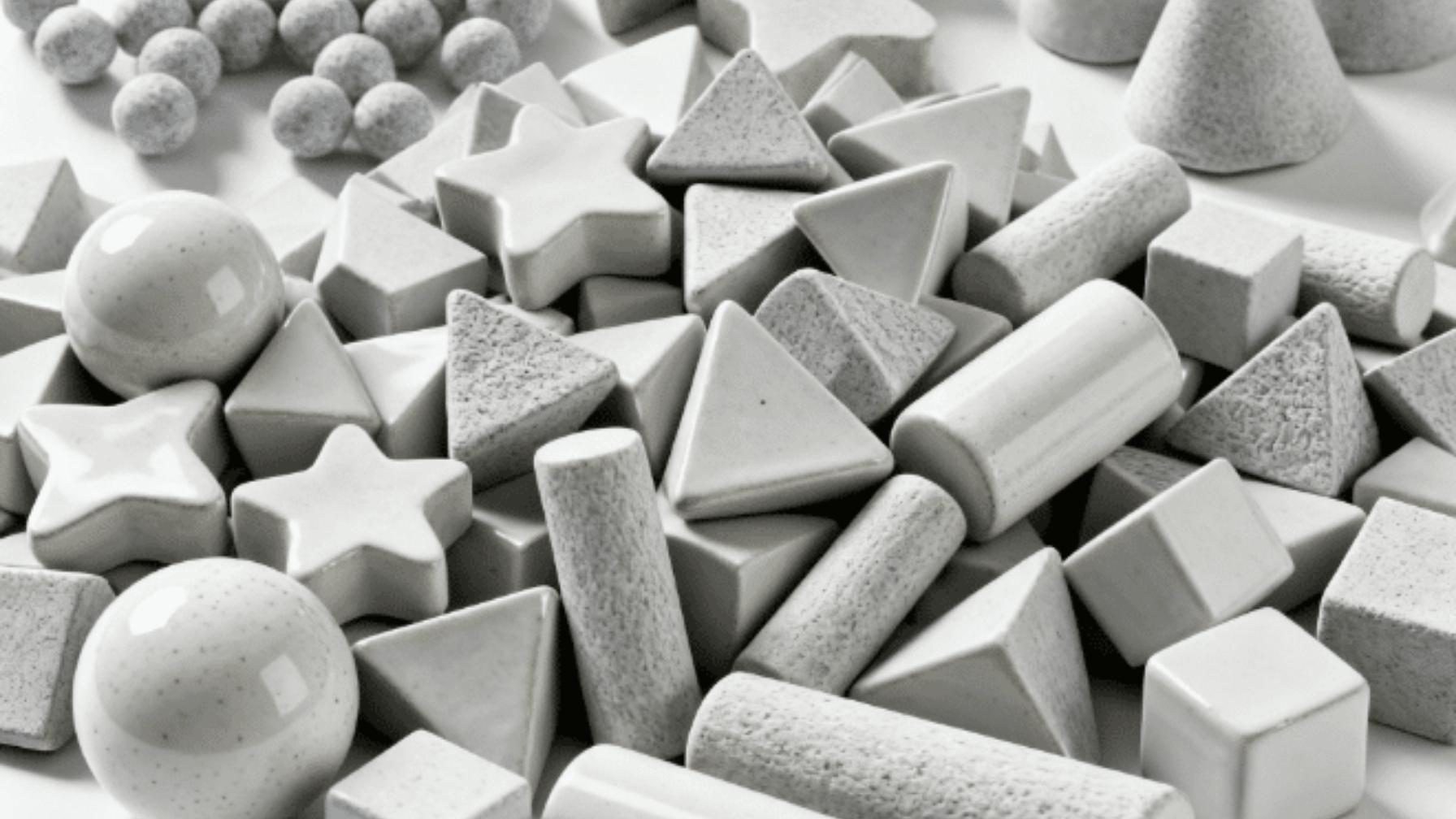
Media choice controls the cut. Ceramic media in fast cut grades like FC, TC, or SC remove heavier scale and edge oxide. Plastic media in grades from FC down to V handles soft metals and pre plate refinement. The shape matters as much as the abrasive grade. Angle cut cylinders and triangles reach threads and undercuts better than round balls, but they also wear faster. That trade off is acceptable when the target is consistent oxide removal from recessed hardware features.
Compound chemistry does two jobs: it keeps the metal active during cutting and carries away removed oxide. LC10 is a general purpose liquid compound, pH 8.1 at a 3 percent solution, combining cleaning, derusting, and deoiling for iron, stainless steel, aluminum, copper, and zinc. For heavier rust, we pair the mechanical cut with MC8 derusting compound, pH 8.3 at a 3 percent solution. The liquid feed system doses compound and water separately, so the working concentration stays stable instead of drifting as the day goes on.
Cycle time depends on the oxide, not on the machine alone. Light rust on brass may clear quickly with the right media. Heat scale on steel forgings can take much longer, and sometimes a high energy centrifugal disc machine is the better fit because it generates far more force than a standard vibratory bowl. Our ED series centrifugal disc finishers deliver 10 to 15 times greater force than conventional vibratory systems, which shortens oxide removal on small to medium stamped, cast, and machined components.
Oxide removal results depend on media geometry and abrasive grade more than on bowl size. <How to Choose the Abrasive of Vibration Grinder> covers how shape, size, and material selection change the cutting action on hardware features like threads, shanks, and flat faces.
If your oxide layer includes heat treat scale or mixed alloys, confirm media aggressiveness and compound pH before locking the BOM. Send your part photos, material, and current defect photos to [email protected]. We will run a recommended process on a sample batch and report cycle time, media wear, and surface results.
What Causes Oxide Removal Failures Before Plating?
The most expensive oxide removal failures do not show up at the finishing machine. They appear later as plating blisters, dull spots, or adhesion test failures.
-
Smeared oxide. Aggressive media can fold oxide over the surface instead of removing it. The part looks bright after burnishing, but the boundary between metal and oxide remains under the surface. A quick acid test or a cross section exposes it. We prefer a cut step that breaks scale before any shine step.
-
Flash rust after rinsing. Carbon steel parts leave the machine clean and wet, then rust before plating. This is a process sequencing problem. The line should move parts through rinse, dry, or temporary rust protection without idle time. MC8 derusting compound in the finishing stage reduces the problem, but a clean water rinse and short dwell still matter.
-
Over etching in blind holes. Immersion acid reaches small recesses more slowly than flat faces. If operators leave parts in the bath until blind holes are clean, exposed surfaces become etched. Mechanical finishing is often the fix because media can reach inside threads and undercuts more evenly.
-
Copper redeposition on brass. When acid bright dipping brass, dissolved copper can plate back onto the surface if the bath is dirty. A weak rinse after an overused acid creates a pink, smutty deposit, and the next plating layer will not bond to it. Monitoring bath age and using a clean rinse removes the failure mode.
How Do You Build a Pre Finishing Line for Mixed Hardware?
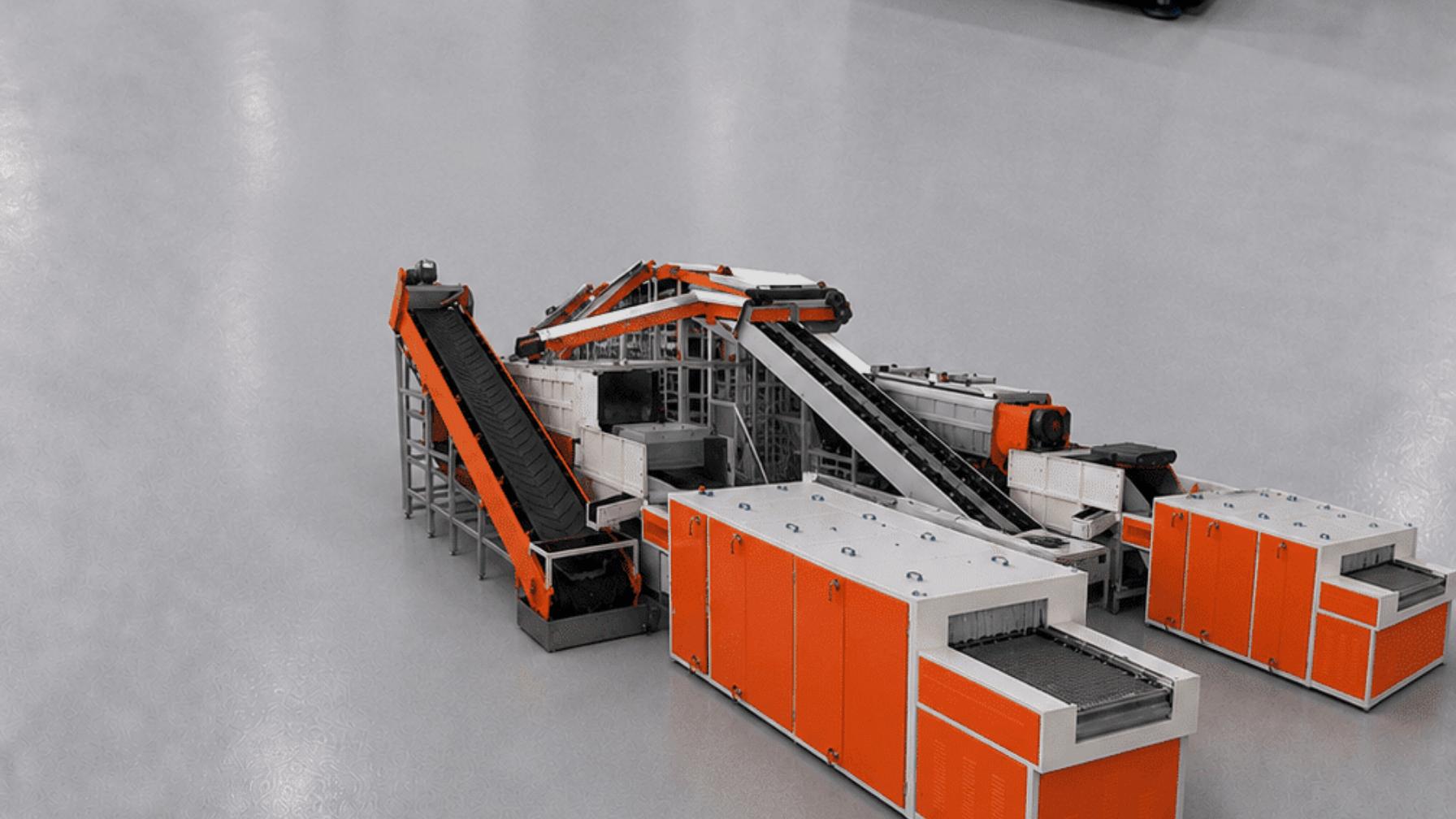
Mixed hardware lines work best when the pre finishing stage is separated from final polishing and drying. A common layout starts with a vibratory or centrifugal machine for oxide removal and deburring, then a parts and media separator, then a rinse or cleaning step, then drying. If the plant runs wet finishing, the wastewater stream contains fine metal oxide, media fines, and compound residue. Sending that water directly to drain creates compliance risk and wastes process water. We recommend a closed loop treatment unit because clean water can be reused and solid waste can be collected.
Wet oxide removal generates a steady stream of process water that carries metal fines and spent compound. <Automatic Sewage Treatment Sustainable Water Recycling for Mass Finishing> covers how a closed loop system turns that waste into clean water and dry solid waste, which keeps a hardware finishing line stable and regulatory issues out of the day to day.
Mixed hardware programs almost always reach a decision point that a catalog cannot settle: whether the oxide condition justifies one aggressive step or a split process. If your program includes cast brass, heat treated steel, or zinc parts with white corrosion, it is worth confirming cycle time, compound pH, and media grade before finalizing the purchase. Send your part material, dimensions, oxide condition, and monthly volume to [email protected] or call +86 572 308 7788. We will recommend the right machine, media, and compound combination and run sample processing before you commit.
What Should Buyers Ask About Oxide Removal from Hardware?
Can one vibratory machine remove oxide from all hardware alloys?
A vibratory machine removes oxide from a wide range of hardware, but the media and compound must change with the alloy. Carbon steel needs a harder ceramic cut; brass and zinc need plastic media or a mild chemical path. Trying one universal recipe for brass, steel, and zinc creates over cutting on soft parts or under cutting on hard parts. The machine is flexible; the process is not. Batch size, part geometry, and plating requirements decide whether a bowl, tub, or high energy centrifugal machine is appropriate. We confirm these variables before quoting equipment so the first production run matches the lab result.
Is a bright surface after tumbling proof that oxide is gone?
No. A bright surface can still hide smeared oxide or residue packed into pores. Burnishing media often produces a shine that makes parts look cleaner than they are. The real test is whether the surface stays clean and passes plating adhesion after rinsing and a short dwell time. We look for uniform color, no pitting, and no pink or white corrosion film in recesses. If the part looks bright but the plating bath or coating line still shows defects, the oxide removal step has not finished the job. A sample run with a cross section check is cheaper than discovering the failure in the customer’s plating line.
How do you remove white corrosion from zinc hardware without damaging the part?
It depends on the corrosion thickness and the zinc casting quality. Light white corrosion responds to a mild alkaline cleaner or a plastic media step with low cut. Heavy white corrosion may require a short acid treatment, but the acid concentration and dwell time must be controlled because zinc is chemically active. We usually start with the gentlest process that clears the corrosion in an acceptable cycle time, then move to a fine pre plate media. That sequence protects the base metal and leaves a smooth surface for plating. If the casting has porosity, skip strong acid entirely and use mechanical cleaning.
Why does carbon steel hardware rust again right after oxide removal?
In most hardware programs we review, the problem is not the derusting step; it is the dwell time between derusting and drying. Wet carbon steel has no protective oxide layer and will flash rust quickly in a humid plant. We add a derusting compound during finishing and schedule the rinse and dryer so parts are not left in a basket. If the line cannot dry immediately, a temporary rust inhibitor or pH adjusted rinse reduces the risk. Parts often rust within minutes of a clean water rinse, so the sequence matters as much as the chemical choice. If you are seeing flash rust or white corrosion between processing and plating, send us a sample batch and your current process steps; we will identify the failure point before you change equipment.
If you’re interested, check out these related articles:
Vibration Grinder Price System Maintenance Precautions
Stainless Steel Walnut Zirconic Finishing Media