
Durable, Eco-Friendly, and High-Performance Solutions for Mass Finishing
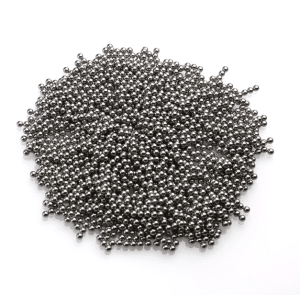
Stainless steel finishing media is a durable, long-lasting tumbling abrasive manufactured from high-grade stainless steel. Unlike ceramic or plastic media, it offers superior reusability, consistent weight, and strong impact force, making it ideal for burnishing, polishing, and surface brightening of metal components. Because it removes minimal material, stainless steel media is especially valued in industries such as jewelry, aerospace, and precision engineering, where achieving a high-gloss, mirror-like finish with tight dimensional control is critical.
Best for: Stainless steel, titanium, brass, copper, and precious metals Avoid on: Very soft plastics or delicate parts (risk of deformation)
What is Walnut Shell Finishing Media?
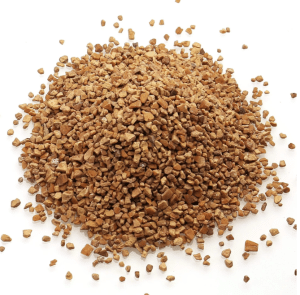
Walnut shell finishing media is a natural, biodegradable abrasive made from finely crushed walnut shells. Its lightweight and soft cutting action makes it ideal for gentle cleaning, deburring, and polishing without scratching delicate surfaces. Compared with ceramic or plastic media, walnut shell media provides an eco-friendly and cost-effective finishing solution, widely used in the aerospace, jewelry, automotive, and electronics industries where surface protection and sustainability are essential
Best for: Aluminum, brass, zinc, soft alloys, and delicate parts Avoid on: Hard metals requiring aggressive cutting
What is Zirconic Finishing Media?
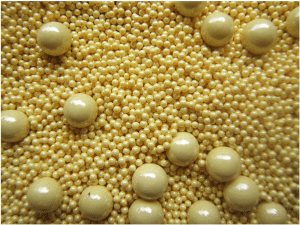
Zirconic finishing media is a high-performance ceramic abrasive known for its hardness, durability, and superior polishing ability. Widely used in aerospace, medical, automotive, and jewelry industries, it helps achieve a superfinish or mirror-like surface that standard media cannot match. Zircon beads are heavier and smoother than porcelain, making them especially effective for gold and precious metal jewelry polishing
Best for: Hardened steel, stainless steel, titanium, and aerospace alloys Avoid on: Very soft plastics or fragile components
Composition & Types
| Media Type | Composition | Key Features |
|---|---|---|
| Stainless Steel Media | Solid stainless steel (various shapes/sizes) | Durable, reusable, excellent for burnishing |
| Walnut Media | Crushed walnut shells (organic abrasive) | Eco-friendly, gentle, non-toxic |
| Zirconic Media | Zirconium oxide + ceramic bonding | Heavy-duty cutting, long-lasting |
Common Shapes
-
Steel Media: Balls, pins, diagonals – ideal for burnishing and bright finishing
-
Walnut Media: Irregular granules – conforms to part surface for uniform polishing
-
Zirconic Media: Triangles, cones, cylinders – designed for aggressive deburring and smoothing
Typical Applications
| Application | Industry Example | Recommended Media |
|---|---|---|
| High-gloss burnishing | Jewelry, watch parts | Stainless steel balls/pins |
| Gentle cleaning & polish | Aerospace aluminum parts | Walnut shell media |
| Heavy deburring | Automotive engine parts | Zirconic ceramic triangles |
| Edge radiusing & shaping | Aerospace turbine blades | Zirconic cones or cylinders |
Machine Compatibility
| Machine Type | Steel Media | Walnut Media | Zirconic Media | Notes |
|---|---|---|---|---|
| Vibratory Finisher | Excellent | Excellent | Excellent | Most common |
| Centrifugal Barrel | Excellent | Good | Excellent | High energy |
| Centrifugal Disc | Good | Good | Excellent | Fast cycles |
| Rotary Barrel | Good | Excellent | Moderate | Gentle, longer cycles |
How to Choose the Right Media
When selecting the right finishing media, it is important to first consider the base material of your parts. For hard metals such as stainless steel or high-strength alloys, zirconic media provides the cutting power needed, while walnut shell media is the best choice for delicate components that require gentle cleaning. If your goal is a high-gloss finish, stainless steel media is most effective. The part geometry also plays a role: steel balls ensure uniform burnishing, walnut shells adapt well to irregular shapes, and zirconic cones or triangles work best in tight corners. In terms of machine compatibility, vibratory and centrifugal finishing systems deliver the most consistent results across all three media types. Finally, if sustainability is a priority, walnut shell media offers a natural, biodegradable solution that balances performance with environmental responsibility..
Pros & Cons
Stainless Steel Media Stainless steel media offers exceptional polishing efficiency with a long lifespan and the ability to be reused multiple times, making it a cost-effective option over the long term. It delivers a bright, high-gloss finish that is especially effective for non-ferrous metals such as brass, copper, and aluminum. In addition, it is resistant to rust and maintains consistent performance throughout repeated cycles. However, its relatively heavy weight can increase energy consumption during operation and lead to higher wear on finishing machines compared with lighter alternatives.
Walnut Shell Media Walnut shell media is a natural, eco-friendly option that is biodegradable and safe for the environment. It provides gentle polishing action that protects delicate surfaces, making it especially suitable for fine parts, soft metals, plastics, and jewelry. Because of its softness, it prevents scratching and preserves intricate details of the workpieces. On the downside, walnut shell media lacks aggressive cutting ability and is not ideal for removing heavy burrs, scale, or tough coatings. Its performance is best when used for light deburring, surface cleaning, or final finishing.
Zirconic Media Zirconic media is engineered for superior cutting power and durability, making it a premium choice for demanding finishing tasks. It is highly effective on hard metals such as stainless steel, titanium, and other alloys, delivering faster material removal and longer service life than standard ceramic media. This efficiency reduces cycle times and improves productivity in heavy-duty applications. However, zirconic media comes at a higher cost, which may not be economical for low-demand or basic finishing projects. It is best suited for manufacturers who require high performance and consistent results in challenging metal finishing operations.
Conclusion