
Prototype part surface finishing works best when it is treated as a process-development exercise rather than a simple cleaning step. New designs, short production windows, and drawing changes create a different problem: the finish must be repeatable enough to validate the product, without spending weeks building dedicated tooling. Mass finishing supports that goal when the machine type, media, and compound are selected against the actual part geometry. A documented quality-management framework such as ISO 9001:2015 also helps control change between first-article trials and later pilot lots [1].
Why Prototype Finishing Needs a Different Workflow
Production finishing lines are optimized for one part family and long runs. Prototype finishing is the opposite. Batch sizes are small, part materials change between iterations, and the engineering team still needs data on edge breaks, surface roughness, and coating adhesion. A practical prototype cell therefore favors flexible equipment that can switch between deburring, radiusing, and polishing without excessive retooling.
Common prototype targets include:
- Removing burrs from CNC-machined or stamped parts before inspection
- Blending tool marks and sharp edges
- Creating a uniform pre-plating or pre-anodizing surface
- Confirming the final visual finish before committing to production equipment
- Producing a stable Ra result for functional sealing, sliding, or assembly surfaces
For quoting surface texture, the callout is usually interpreted through the parameters defined in ASME B46.1 [2] and the drawing rules of ISO 1302 [3].
Machine – Tub Finishing Process)
Matching the Machine to the Prototype
The fastest turnaround usually comes from choosing the right machine class on the first pass. The table below summarizes the main options for prototype lots.
| Machine type | Best prototype use | Typical capacity range | Representative models |
|---|---|---|---|
| Vibratory bowl | General deburring, edge rounding, pre-plate finishing | 30–2500 L | SW 30 to SW 2500 |
| Vibratory bowl with separation | Mixed small parts and faster part-media sorting | 80–1200 L | SWS 80 to SWS 1200 |
| Centrifugal disc | Higher-energy deburring and polishing in shorter cycles | 9–240 L | ED 50E, PD 9, CF 32 |
| Centrifugal barrel | Small precision parts with aggressive deburr and bright finish targets | 7.5×4 L to 90×4 L | EB 30 to EB 360 |
| Magnetic finishing | Burrs inside bores, slots, and small gaps | 3–90 kg | MF 3 to MF 90 |
| Drag finishing | Controlled edge rounding and mirror finish on delicate parts | 18–40 holders | DF 18 to DF 40 |
Vibratory Finishing is usually the first choice for mixed prototype work because it handles a wide range of materials and requires less process engineering. Centrifugal Disc Finishing is more useful when cycle time is critical and the part can tolerate higher-energy contact. For small, high-value parts such as watch components, implants, or gears, Centrifugal Barrel Finishing often delivers a more isotropic finish with shorter processing time.
Media and Compound Selection for Small Lots
Media selection determines whether the first trial removes burrs too aggressively or too gently. For prototype work, it is usually safer to begin with a general-cut media and adjust shape and size after the first inspection.
- Ceramic media: dependable general deburring and pre-plate finishing for steel, stainless steel, and titanium.
- Plastic media: gentler cutting for aluminum, zinc, brass, and other soft non-ferrous parts.
- Stainless steel media: burnishing and brightening without heavy stock removal.
- Organic media: drying, polishing, or delicate final-luster work.
Compounds should be paired with the media and water system. A general-purpose cleaning compound may be enough for initial deburring, while a polishing compound is added when the prototype must simulate the final production surface.
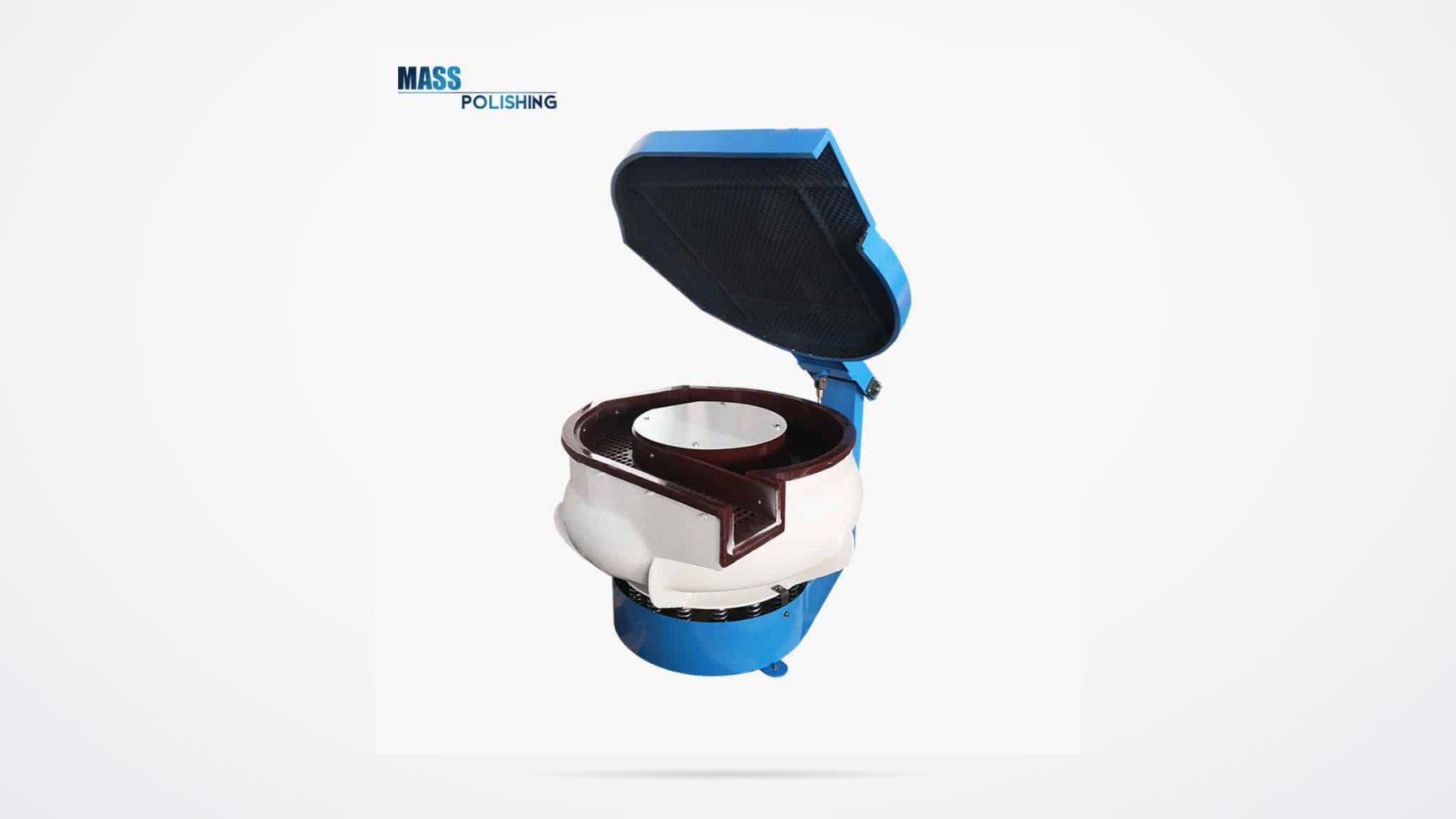
Media choice also determines whether the same machine can handle a quick first-article deburr today and a fine polish later.
Media selection is the most common adjustment when a prototype surface does not match the target. <Types of Vibratory Polishing Media> covers ceramic, plastic, and steel options for small prototype lots.
Building a Repeatable Fast-Turnaround Process
Fast turnaround does not mean skipping documentation. A short first-article run should produce enough information to repeat the result on the next revision.
A practical prototype sequence is:
- Record part material, initial condition, and critical surfaces.
- Select a conservative machine speed, media load, compound dose, and water level.
- Run a short cycle and inspect at the highest-risk features only.
- Adjust one variable at a time for the second trial.
- Lock the process parameters and photograph the acceptable surface.
For prototypes that include stainless steel parts, some buyers also specify chemical passivation after mechanical finishing. When that requirement appears on the drawing, it should be planned before the final surface test so the mechanical finish is compatible with the passivation step [4].
High-Energy Options When Time Is Critical
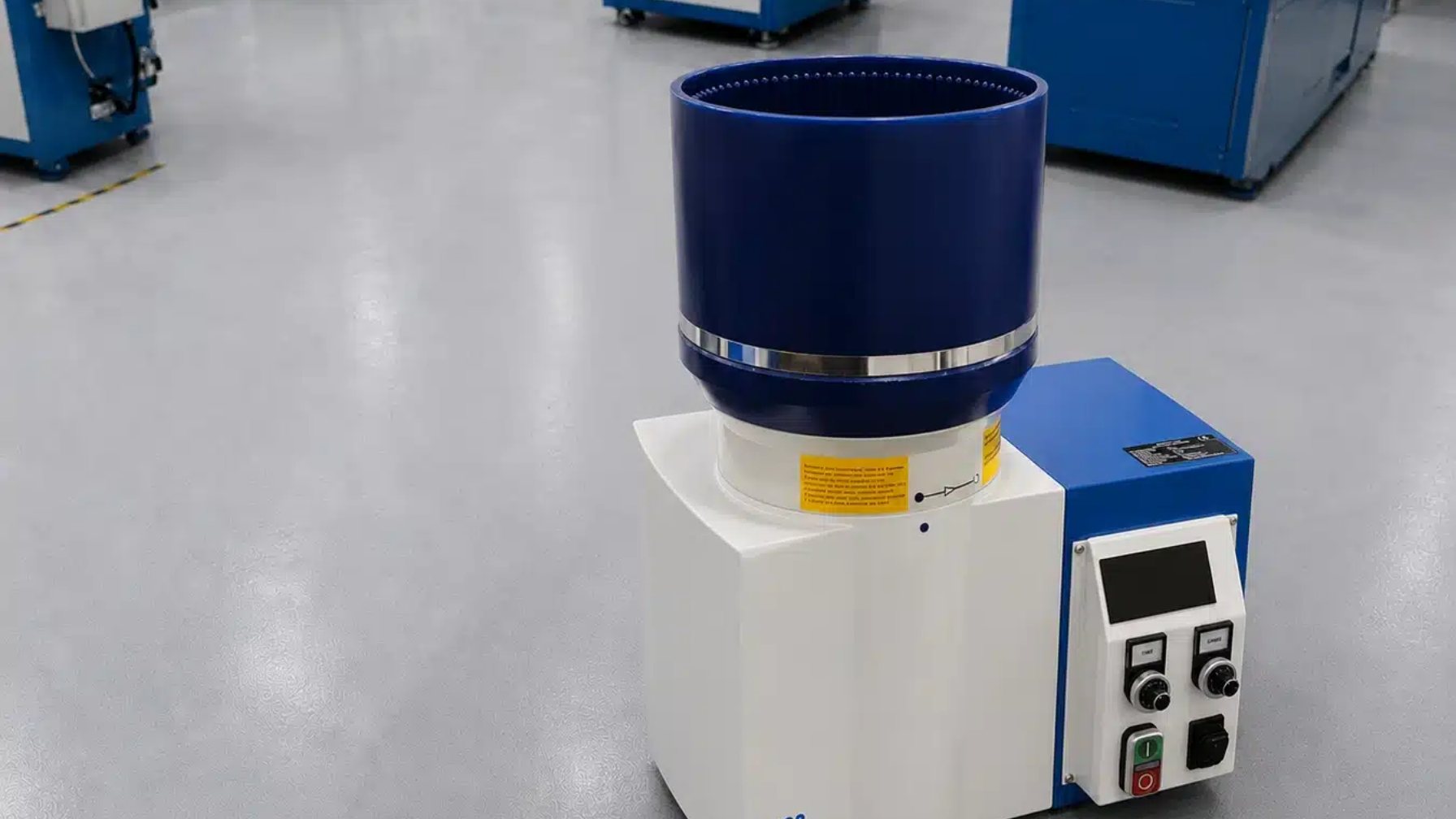
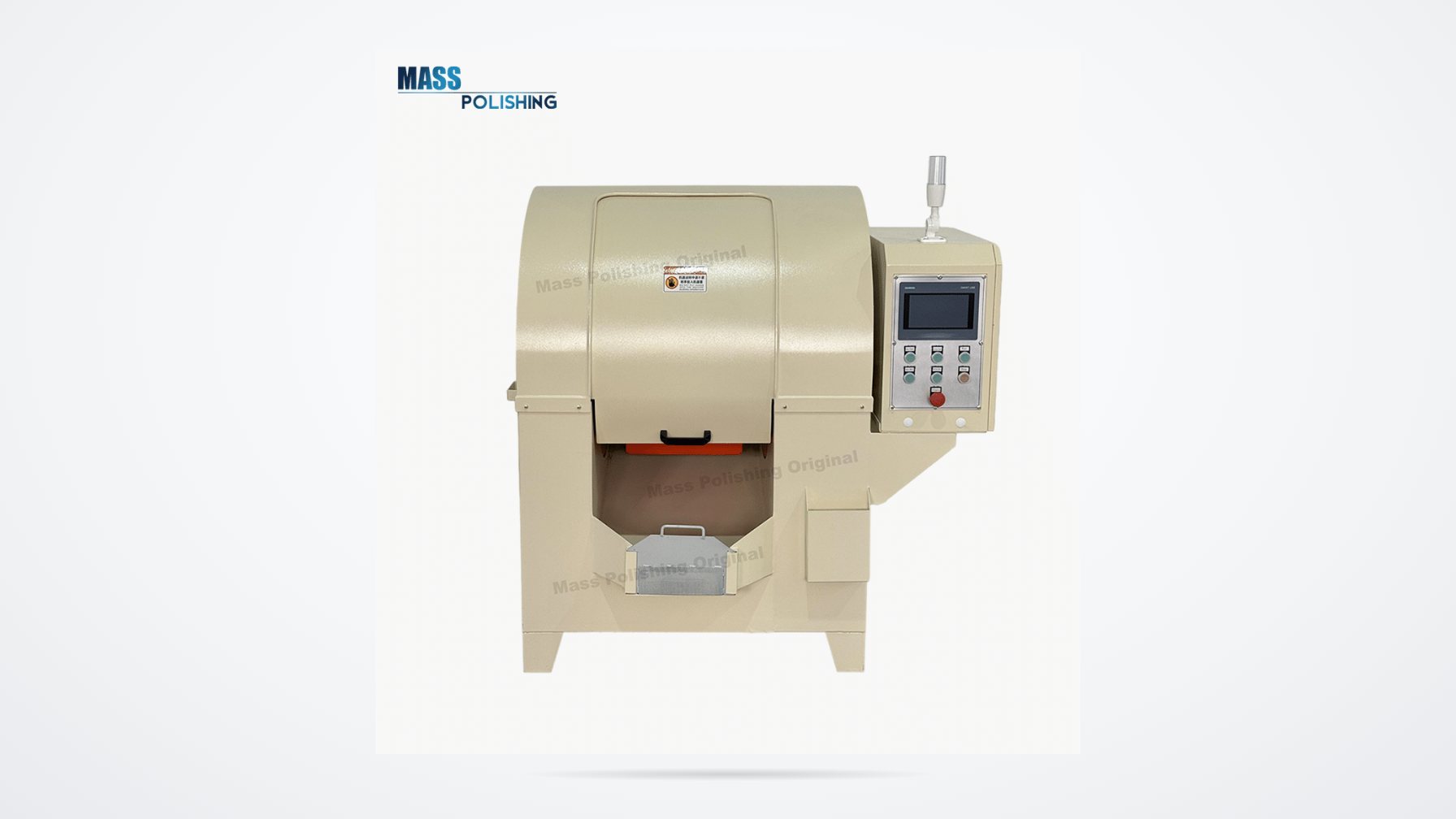
Centrifugal barrel and centrifugal disc machines use higher-energy contact to shorten the same deburring and polishing steps. They are especially useful for precision prototypes where manual deburring would be inconsistent or where small bores and gaps are difficult to reach.
Prototype finishing decision point
If your prototype has internal bores, thin walls, or a tight Ra target, send the drawing to our engineers at [email protected] with the part material, dimensions, and required surface. We will recommend the machine, media, and compound combination and can run a sample on our process-development line before you commit.
High-energy equipment is not automatically the best answer for every prototype. Thin-walled parts, delicate threads, and soft aluminum may be safer in vibratory or drag finishing. The best choice is the method that reaches the required surface while protecting the feature that matters most.
For prototypes with tight turnaround targets, high-energy equipment can compress cycle time substantially. <Centrifugal Finishing Machines for High Efficiency Surface Treatment> covers process conditions for high-efficiency surface treatment.
From First Article to Production Handoff
The goal of prototype finishing is not just a good-looking sample. It is to produce a process that can be scaled to production without another round of trial-and-error. For that reason, the prototype report should include the machine model, media shape and size, compound type, cycle time, and the measured surface result.
When the same supplier provides the machines, media, and compounds, scaling becomes easier because the process transfer does not depend on matching consumables from multiple sources. Our engineers analyze material, structure, and final requirements to recommend a complete finishing package.
Get a Fast Prototype Finishing Plan
Send us the following information to receive a process recommendation:
- Part drawing or CAD file
- Material grade and heat treatment condition
- Initial surface condition and required Ra or visual finish
- Critical features requiring protection
- Prototype quantity and deadline
Contact Mass Polishing at [email protected] or through the website inquiry form. We will review the part and return a machine, media, and compound proposal for your prototype finishing application.
FAQ
How quickly can prototype parts be finished?
Turnaround depends on part geometry, material, and required surface. Once the process is set, small prototype batches can usually be processed in a single shift. More complex parts may require a sample trial before the final quote.
Which machine is best for prototype part surface finishing?
There is no single best machine. General deburring often starts with a vibratory bowl machine, while small precision parts may need centrifugal barrel or disc finishing. Magnetic finishing is preferred for burrs inside bores and gaps.
Can the same process be used for production later?
Yes. A documented prototype process can be scaled by moving to larger-capacity equipment with the same media, compound, and process ratio. The key is recording variables during the prototype phase.
What information is needed for a finishing recommendation?
Provide the part drawing, material grade, initial surface condition, required finish, and batch size. Photographs of the current surface and problematic burr locations also help.
Do you offer sample processing before purchase?
Yes. Mass Polishing provides sample processing on our process-development line so you can validate the surface result before selecting production equipment.
References
[1] ISO 9001:2015, Quality management systems — Requirements. International Organization for Standardization.
[2] ASME B46.1-2019, Surface Texture (Surface Roughness, Waviness, and Lay). American Society of Mechanical Engineers.
[3] ISO 1302:2002, Geometrical Product Specifications (GPS) — Indication of surface texture in technical product documentation. International Organization for Standardization.
[4] ASTM A967/A967M-17, Standard Specification for Chemical Passivation Treatments for Stainless Steel Parts. ASTM International.
If you’re interested, check out these related articles:
How Can We Increase the Life of the Vibrating Grinder
How to Improve the Product Brightness of the Vibration Grinder Price
Vibratory Tumbling Media Is Indispensable
Choosing the Right Vibratory Finishing Compound for Your Application
Why Glaze the Surface of Metal Products