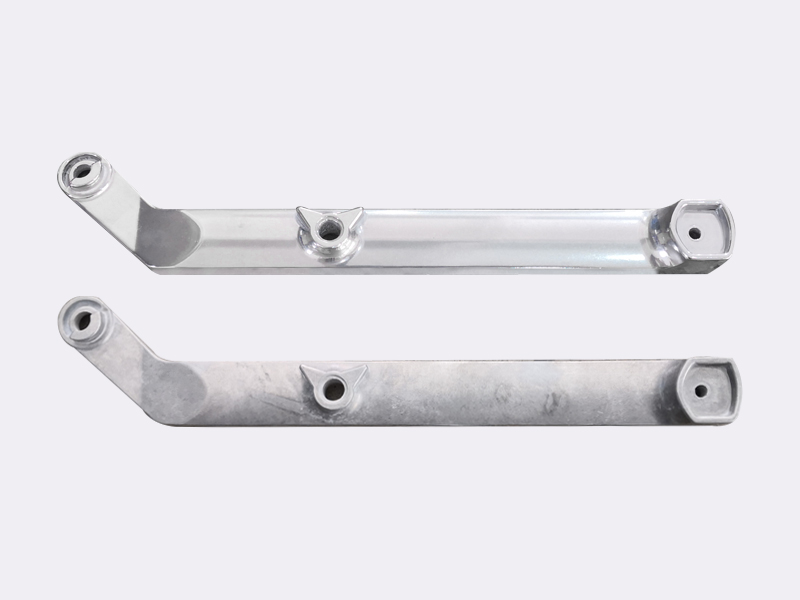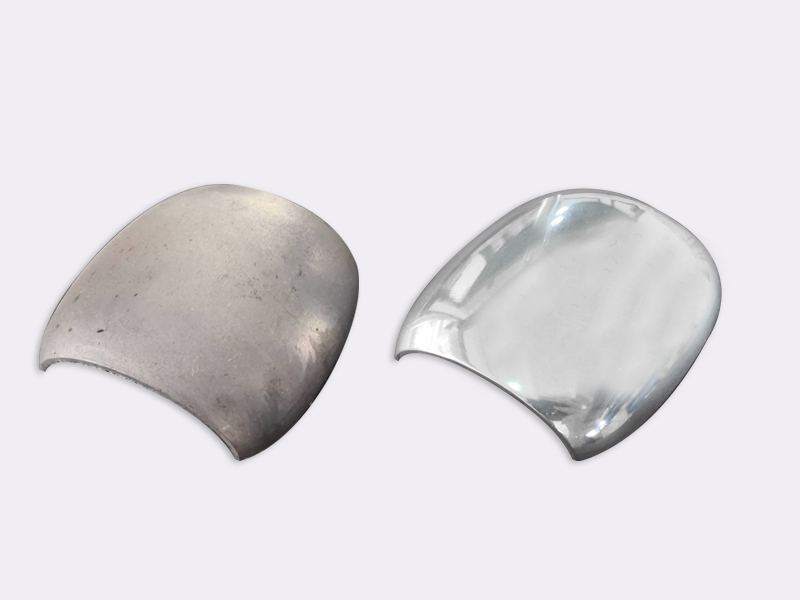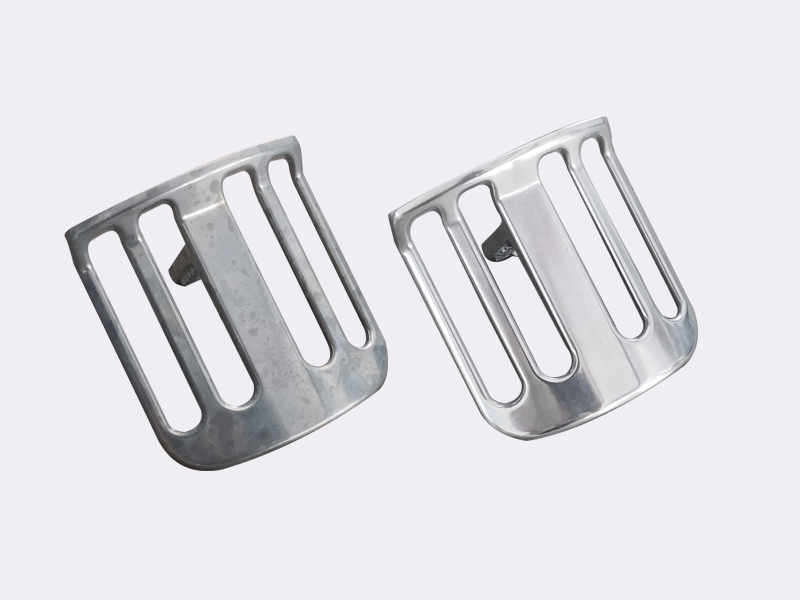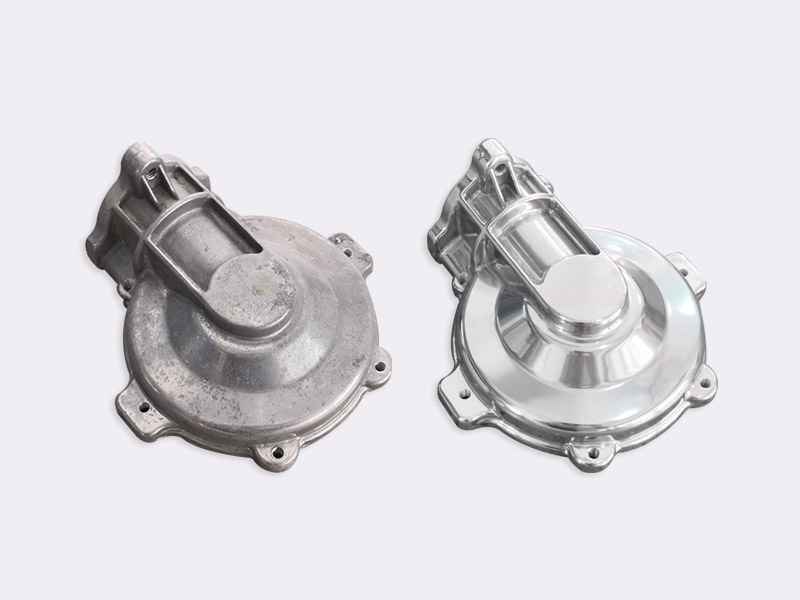

Centrifugal barrel finishing machines are high-performance mass finishing equipment that utilizes extreme centrifugal forces to achieve efficient polishing, deburring, and edge rounding of small, precision components. Compared to traditional vibratory finishing machines, they significantly shorten processing cycles, enhance production efficiency, and are particularly suitable for precision parts requiring high surface quality.
What Is a Centrifugal Barrel Finishing Machine?
A centrifugal barrel deburring machine is a high-energy surface treatment system that operates on the principle of centrifugal force. It uses rotating barrels (or turrets) to drive workpieces and abrasive media, creating intense G-forces for rapid, uniform friction and polishing. This machine is especially adept at handling small, intricate, and easily tangled parts, capable of completing processes from rough grinding to mirror polishing in a remarkably short time.
Why Choose a Centrifugal Barrel Finishing Machine?
Compared to vibratory or traditional barrel finishing methods, centrifugal barrel machines offer distinct advantages:
-
Exceptionally High Efficiency – Processing speeds are multiple times faster than vibratory systems.
-
Superior Surface Consistency – Capable of achieving an isotropic mirror finish.
-
Excellent Part Separation – Ideal for batch processing of small, precision components that are prone to tangling.
-
Low-Noise Operation – Suitable for workshop environments.
-
Labor Savings – High degree of automation reduces manual intervention.
Comparison of Cutting Action: Centrifugal Barrel vs. Vibratory Finisher
The cutting action of a Centrifugal Barrel Finisher is fundamentally different from that of a Vibratory Finisher. In a centrifugal barrel system, the rotating barrels generate 5–10 Gs of centrifugal force, pressing media and parts tightly together. This results in a compressive, mass-on-mass grinding motion that delivers high-pressure contact, making it highly effective for rapid stock removal, large-radius edge rounding, and achieving isotropic mirror finishes. By contrast, a vibratory finisher relies on high-frequency vibrations (up to 1800 cycles per minute) to create a fluidized, elliptical media flow. This action produces a shearing or scrubbing effect, generating countless low-pressure contacts that ensure a uniform, all-over finish, even on complex geometries. In short, centrifugal barrels excel in intensity and speed, while vibratory systems are favored for consistency and smoothness across part surfaces.
| Aspect | Centrifugal Barrel Finisher | Vibratory Finisher |
|---|---|---|
| Nature of Force | Generates 5–10 Gs centrifugal force, creating strong compressive, grinding action. | Uses high-frequency vibration (≈1800/min), producing a shearing or scrubbing effect. |
| Contact Style | Fewer but high-pressure contacts; each interaction removes material aggressively. | Countless low-pressure contacts; ensures uniform, consistent surface finishing. |
| Finish Quality | Ideal for rapid stock removal, radiusing, and mirror finishes; requires control. | Provides a smoother, all-over finish, even on complex shapes and internal geometries. |
| Part Contact | Minimal part-on-part contact; safer for fragile or delicate parts. | More turbulent flow can lead to occasional part-on-part contact. |
| Best Use Cases | Heavy burr removal, scaling, creating smooth radii, and high-luster finishes. | General-purpose finishing, uniform deburring, and smoothing across diverse parts. |
Centrifugal Barrel Finishing Machine Series Overview
EB Series: High-Energy Centrifugal Barrel Machines
| Feature | Manual Type | Automatic Type |
|---|---|---|
| Operation Type | Manual unloading | Automatic operation |
| Standard Features | • Process timer • 4 barrels with PU lining • Chain drive • Security door lock • Manual brake | • Process timer • 4 barrels with PU lining • Chain drive • Security door lock • Speed Controller • Power Jog |
| Optional Features | • Speed controller • Belt drive or Gear drive • External sorting screen • Inclined centrifuge barrel • Double barrel | • Belt drive or Gear drive • Automatic brake • Built-in vibratory sorting screen • PLC touch panels • Divided finish tank • Inclined centrifuge barrel |
| Model Example | EB30 | EB40, EB60 |
| Suitable For | Small-scale or batch processing where manual handling is feasible | Medium to large-scale production requiring automation and enhanced control |
Key Features and Benefits
Centrifugal barrel finishing machines deliver high-efficiency processing through drastically reduced cycle times, significantly boosting overall productivity. Their flexible configuration—available in both manual and automatic models with a range of optional attachments—ensures adaptability to diverse production needs. Equipped with speed controllers and process timers, these systems offer precise control for consistent, repeatable results. User-friendly operation is enhanced by features such as removable barrels, which simplify part loading, unloading, and cleaning. Furthermore, their wide application range makes them suitable for polishing, deburring, and descaling various materials, including metals, plastics, and ceramics.
Typical Workpieces and Applications
| Workpiece Type | Typical Applications |
|---|---|
| Small Precision Components | Deburring, edge radiusing, mirror polishing |
| Stamped Parts | Fast burr removal, improved surface finish |
| Medical Device Components | High-precision polishing meeting hygiene and accuracy requirements |
| Electronic Components | Surface treatment of delicate parts, preventing damage |
| Jewelry & Model Parts | Fine polishing while preserving intricate details |
Maintenance Tips
To ensure long-term, stable performance, follow these maintenance best practices:
-
Regular Barrel Cleaning – Clean out residual media and compounds after each cycle.
-
Inspect Drive System – Ensure chain or belt drive is properly tensioned and functional.
-
Lubricate Moving Parts – Regularly lubricate bearings, gears, and other moving components.
-
Check Safety Features – Verify that door locks and brakes are operating correctly.
-
Use Appropriate Media – Select abrasive media suited to the workpiece material and finishing goals.
FAQ: Centrifugal Barrel Finishing Machines
Q1: How much faster is a centrifugal barrel machine compared to a vibratory system? A1: Typically 5 to 10 times faster, depending on the part and specific process requirements. A process taking hours in a vibratory machine can often be completed in minutes with a centrifugal barrel system.
Q2: Can it handle both wet and dry processes? A2: Yes, the EB series can be configured to support both wet and dry processing, adapting to different materials and finishing needs.
Q3: Is it suitable for fragile or very small parts? A3: Highly suitable. Centrifugal barrel finishers provide excellent part separation, minimizing tangling, making them ideal for precision components and high-value, small-batch workpieces.
Q4: Is a large production line necessary to use these machines? A4: Not at all. The EB series offers models from 30L capacity upwards, suitable for labs and small workshops, as well as larger units integratable into automated production lines.
Q5: What is the typical Return on Investment (ROI)? A5: Due to significantly increased efficiency and reduced labor costs, most users achieve ROI within 6 to 12 months. The machines are robustly built for long service life and require straightforward maintenance.
Conclusion