
Zinc die casting deburring and polishing starts with a fact most process sheets miss: zinc alloys are soft enough to smear, pit, or burnish unevenly when treated like steel. A door handle, lock body, or faucet escutcheon will not forgive an aggressive ceramic load. The real differentiator is not faster metal removal; it is controlled stock removal followed by compound chemistry that leaves a dense, plating-ready surface. In our finishing development work, we have seen too many zinc hardware projects fail because the recipe was copied from a stainless steel job. The sequence below separates what zinc actually needs from what sounds reasonable on paper.
Zinc Die Casting Deburring and Polishing Requirements That Get Overlooked
Zinc hardware parts start with parting line flash, gate stubs, and edges that feel sharper than they measure. The first requirement is removal without deformation. Zamak 3 and Zamak 5, the common die casting alloys, are much softer than stainless steel or machined brass. If the media is too aggressive, the part does not cut cleanly; it smears and work hardens the surface. That creates a shiny but closed layer that plating struggles to bond to.
The second requirement is porosity control. Zinc die castings can carry subsurface pores that open during finishing. Aggressive early cycles can expose pores, tear the surface, or pack fine metallic dust into the voids. Once media residue embeds in a pore, it becomes a plating defect that no bright dip will remove. We prefer staged media, moving from a fast cut to a fine burnish, with a cleaning step between stages when the plating specification is tight.
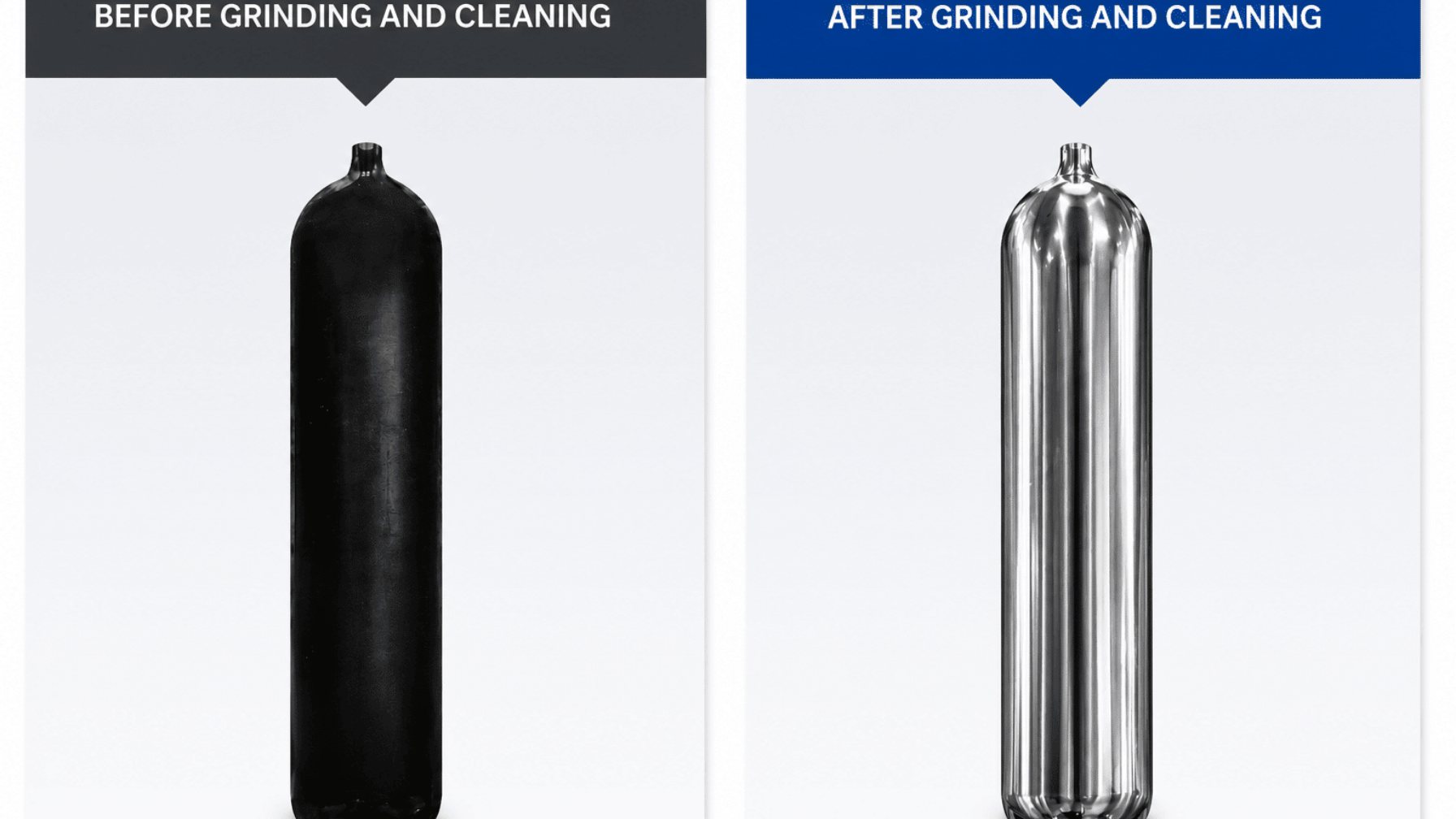
The third requirement is edge condition. Zinc hardware may need a slight radius for safety and plating coverage, not a rolled edge. A radius of 0.10 to 0.25 mm is often enough on a lock edge. The goal is to break the sharp corner without changing the part silhouette.
Vibratory Finishing Machines and Centrifugal Alternatives for Zinc Hardware
For most zinc die castings, a straight wall vibratory machine is the workhorse. Our SW 300, with a 300 liter bowl and a 3.7 or 5.0 kW motor, handles bulk loads of door handles and lock bodies without excessive part-to-part contact. The cast polyurethane lining protects soft zinc surfaces from impact damage during the cut stage. When a job requires a brighter pre-plating finish, the SWS models add automatic separation so parts do not need to be fished out by hand.
Centrifugal disc finishing earns its place when flash is heavier or the part geometry traps media. The ED series delivers ten to fifteen times the force of a conventional vibratory bowl, which shortens the cut step but also raises the risk of surface deformation on thin zinc sections. We reserve high energy disc processing for castings with enough wall thickness to absorb the action. For small precision zinc components, the PD series runs a zero gap design that keeps fine media in contact with recessed surfaces without lodging.
| Machine Type | Best Zinc Hardware Application | Typical Cycle Strength | Operator Notes |
|---|---|---|---|
| Vibratory bowl | Mixed loads of handles, escutcheons, small brackets | Moderate | Safest default for thin walls |
| Vibratory with separation | High volume pre-plating lines | Moderate | Reduces handling time |
| Centrifugal disc | Heavy flash, recessed geometry | High | Requires wall thickness check |
| Centrifugal barrel | Small precision parts needing mirror finish | Very high | Keep loads small to avoid damage |
| Rotary barrel | Low volume, gentle burnishing | Low | Longer cycle, good for delicate parts |
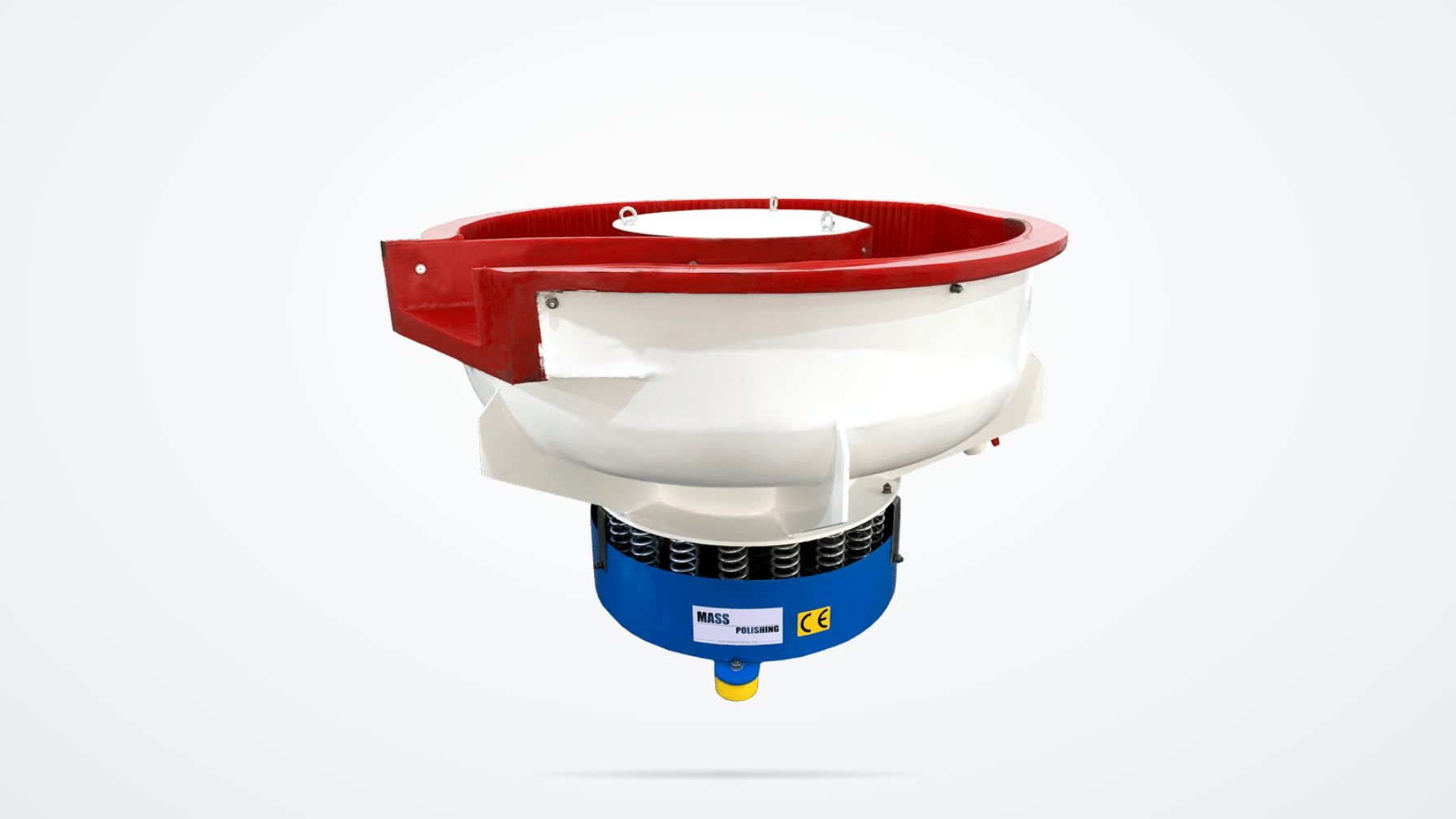
When specifying a vibratory bowl for zinc hardware, bowl size and separation are as important as motor power. <Choosing a Vibratory Tumbler> covers how bowl configuration and workload affect cycle consistency for small hardware batches.
The decision is not just about speed. Zinc parts need enough motion to remove flash but not so much that edges roll or fine detail disappears. If your part has a long decorative face, a tub vibrator may be the better choice because it reduces part-to-part contact in one dimension.
Media and Compound Choices for Soft Zinc Alloys
The first rule for zinc is to cut with plastic media and finish with fine ceramic or porcelain. Plastic media is gentler on soft non-ferrous parts and reduces the risk of embedding abrasive particles in the zinc surface. Our V pre plate media, with a 1500 grit abrasive, produces a smooth bright surface before electroplating. For heavier flash, LC or MC plastic media gives more cut without moving to a harder ceramic shape. Ceramic media still has a place after the rough work, especially P or DP grade for brightening, as long as the edge geometry is not too fine.
Compound chemistry matters as much as media. Zinc reacts quickly to acidic residues. A neutral to mildly alkaline finishing compound keeps the surface clean without etching. Our LC10 general purpose compound fits zinc because its 3 percent solution pH is around 8.1, and it combines cleaning with light rust and oil control. For zinc castings that must go directly to plating, a degreasing compound followed by a polishing compound is often the correct sequence. We avoid acid based cleaners on zinc unless the plating line specifically calls for an acid activation step.
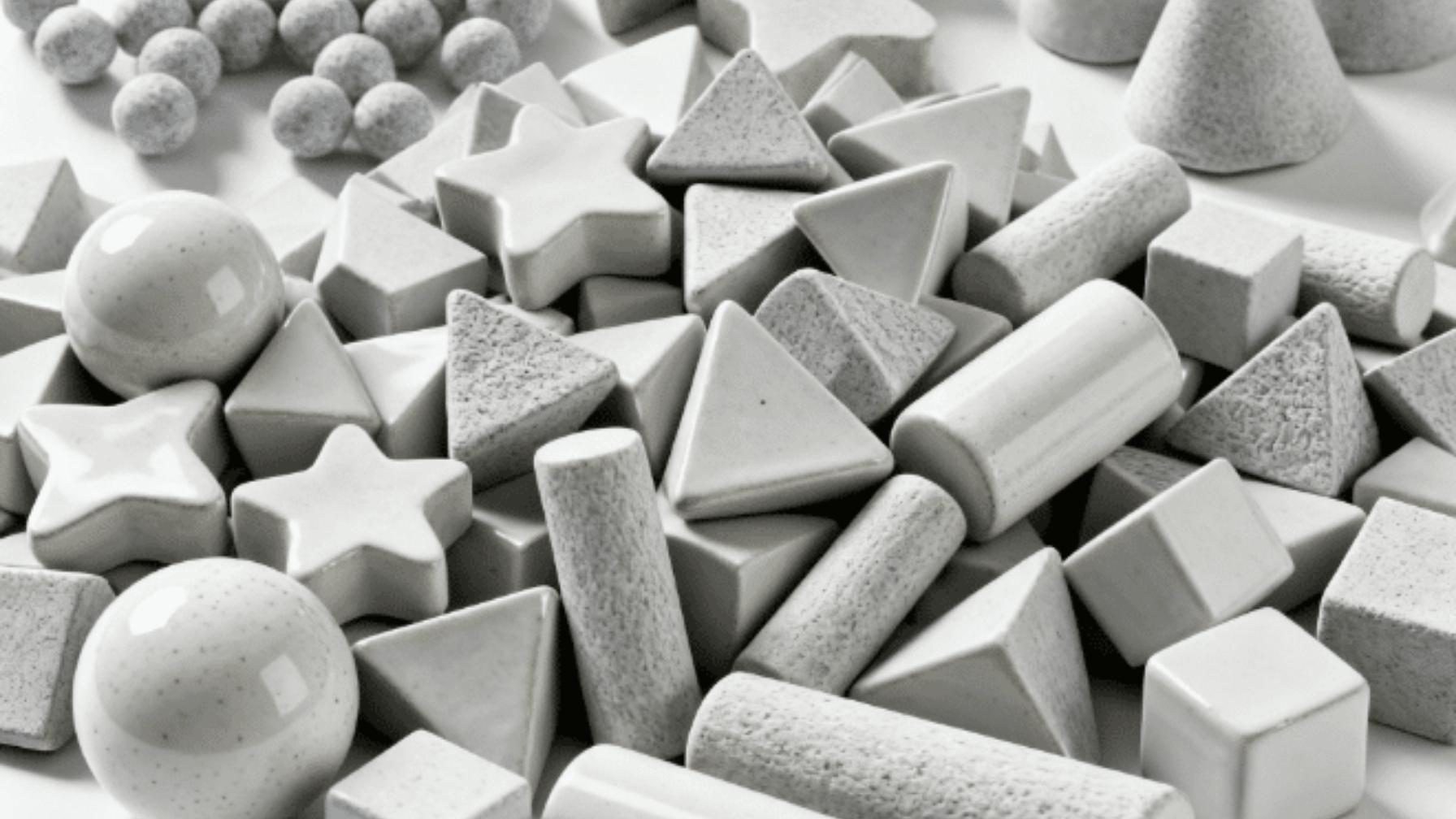
Compound selection controls the boundary between cutting and corrosion. <Choosing the Right Vibratory Finishing Compound for Your Application> covers how compound chemistry changes surface protection and part brightness, which matters more on zinc than on steel because zinc reacts faster to acidic residue.
If the specification asks for a bright burnish, fine stainless steel balls can work on zinc, but they must be kept clean and dry enough to avoid water spotting. In our experience, the larger risk with zinc is not the media itself but the residue left behind. A short rinse with clean water or a mild alkaline cleaner after finishing prevents dried compound from becoming a plating contaminant.
If your zinc die casting program includes mixed Zamak alloys, thin walls under 1 mm, or a mirror plating specification, it is worth confirming media size and compound pH before the first production run. Send your part drawing, alloy grade, and target surface finish through the inquiry form at masspolishing.com and we will confirm a process sequence before you commit to tooling or machine capacity.
A Three Stage Zinc Hardware Finishing Process and Pre-Plating Checks
A repeatable zinc die casting process separates rough cutting from surface conditioning. We use three distinct stages on most pre-plating hardware jobs.
-
Cut and deburr with plastic media. Load the vibratory bowl to roughly 60 percent of the machine volume, add the parts, and run from 30 to 90 minutes depending on flash thickness. Drain and rinse before the next stage.
-
Smooth and radius edges with fine ceramic or porcelain media. This stage removes the light scratches left by stage one and breaks sharp corners. Ceramic P or DP grade works well. Keep cycle time shorter than the cut stage, usually 20 to 45 minutes, because overworking zinc closes the surface.
-
Burnish and clean. A final pass with stainless steel balls or fine polishing paste, followed by a clean water rinse and a drying cycle, produces a bright surface that is free of loose particles. Do not skip the drying step, because wet zinc parts can develop white corrosion before plating.
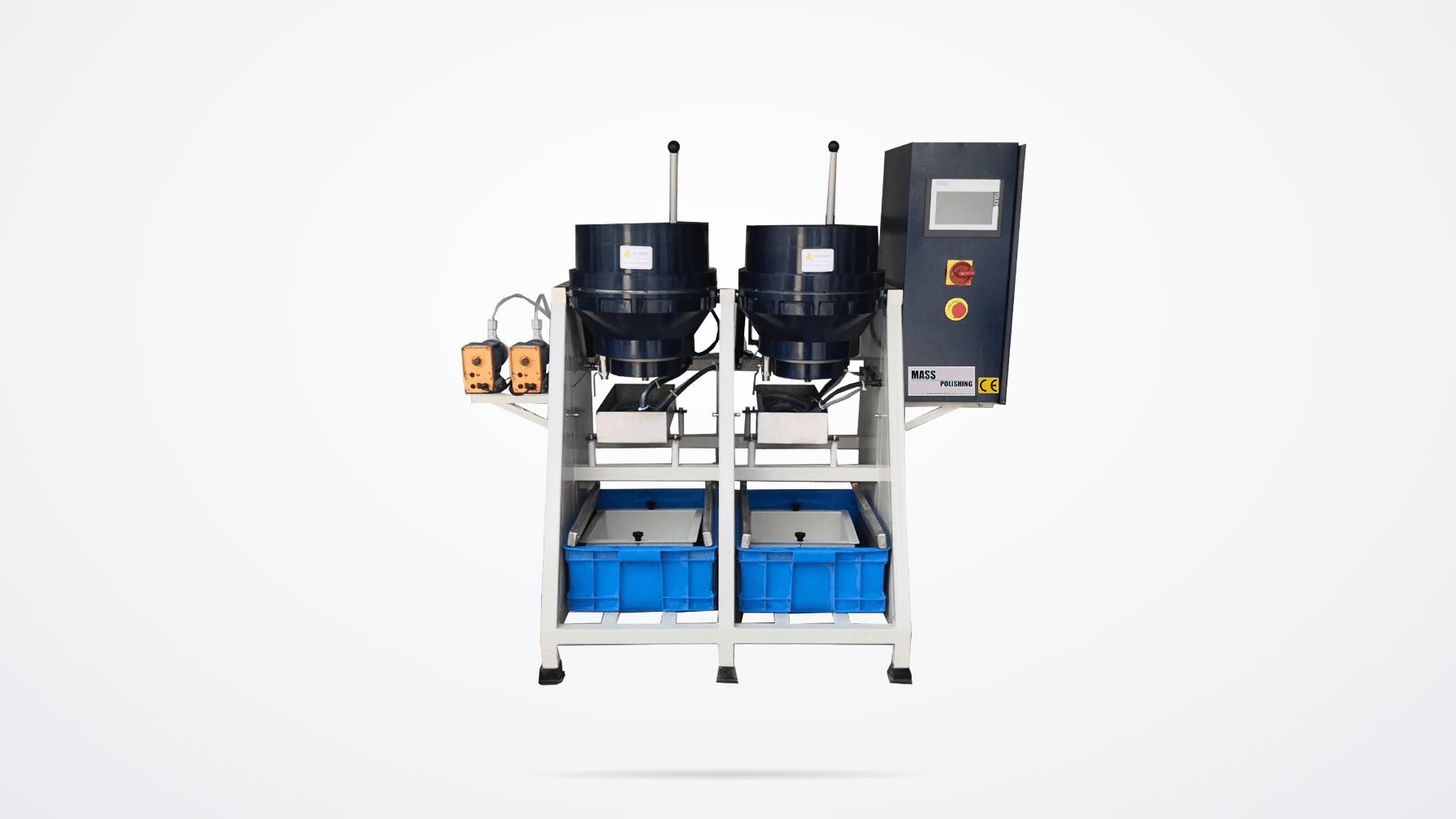
Cycle times are a starting point, not a promise. Zinc alloy composition, part geometry, and plating line condition all move the finish window. We sample every new part family in a small SW 30 or PD 9 before scaling to the production bowl. That test run identifies the exact point where flash clears without rounding a critical edge.
Before a zinc die casting goes to plating, three checks catch most finishing related rejections. First, measure surface roughness on the same faces that will be visible after plating. A fine satin or bright finish on the reference face does not matter if the back side is still rough. Second, inspect for embedded media under magnification. Ceramic or plastic particles trapped in a pore will create a plating bump or adhesion failure. Third, run a water break check after rinsing. If water pulls away from patches, the surface is not clean enough for plating.
Porosity is the hidden variable. A die casting that looks perfect before finishing may expose subsurface pores after the flash is removed. We prefer to sample and cross-section a small batch when the customer reports plating blisters on an existing process. That often reveals whether the defect was created in casting or finishing. The answer changes the next step. If casting porosity is the cause, no amount of polishing will solve it.
A Zinc Die Casting Finishing Process That Starts with Confidence
The zinc hardware projects that reach plating without rework share one habit: the finishing recipe was built around the part, not borrowed from a harder metal. If your current deburring and polishing line is producing roughness, embedded media, or blistering, the problem is usually in the sequence and chemistry rather than the machine itself.
Send your part drawing, alloy grade, batch volume, and target finish to our engineering team at Mass Polishing through the inquiry form at masspolishing.com. Include the plating specification if you have it. We will review the part geometry and recommend a machine, media, compound, and cycle time before you commit to a process.
Common Questions About Zinc Die Casting Finishing
Can vibratory finishing polish zinc die castings to a mirror finish?
No, not by itself. Vibratory finishing can produce a bright, uniform pre-plating surface, but a true mirror finish on zinc usually requires a high energy step or a final buffing operation. On most hardware parts, the goal is a smooth satin to bright surface that electroplating can cover evenly. Attempting to force a mirror in a vibratory bowl overworks the zinc, smears the surface, and can close pores. The more reliable path is to use vibratory or centrifugal finishing to prep the part, then let plating or a light buff deliver the final gloss.
Does zinc die casting require a different compound than steel?
A common mistake is to run the same acidic or aggressive compound used for steel. Zinc requires a neutral to mildly alkaline compound in the cut and polish stages. Acidic chemistry etches zinc quickly and can cause white corrosion before plating. The pH of the working solution matters more than the exact brand. We specify a general purpose or polishing compound with a 3 percent solution pH in the 8 to 8.5 range and follow it with a clean rinse. That keeps the surface chemically stable while the media removes flash.
How thin can zinc hardware walls be before mass finishing becomes risky?
It depends on geometry and machine energy. A flat escutcheon with a 0.8 mm wall can usually handle a light vibratory cycle with small plastic media. A deep thin boss under 0.5 mm is where centrifugal discs can bend or peen the section. In general, if a fingernail can flex the wall after casting, do not put it through high energy disc processing. For thin parts, use a vibratory bowl with a high media-to-part ratio and shorten the cut step. We sample a few parts first and inspect for distortion before committing the full batch.
What surface roughness should a zinc die casting have before electroplating?
The required roughness depends on the plating type and end use. For decorative chrome on zinc hardware, a pre-plating surface around Ra 0.4 to 0.8 micrometers on visible faces is usually workable. Functional plating may tolerate rougher surfaces, while bright nickel or chrome needs a smoother base. But roughness is only part of the story. The surface must also be clean, free of embedded media, and mostly pore-free. We check roughness with a profilometer and then run a water break test because a low Ra with a dirty surface will still blister.
Do we need a separator if we finish zinc hardware with small media?
In the programs we support, a separator pays for itself quickly when media size is close to part size. Small zinc hardware parts trap triangular media in holes and slots, and hand separation adds hours. A vibratory separator with a correctly sized screen lets you separate media from parts without touching each piece. The SWS series builds separation into the bowl, which works well for pre-plating lines. If your lot sizes are small, a manual screen can be enough at first. But as soon as labor becomes the bottleneck, adding separation equipment is the lower-cost route. Share your part dimensions and current lot size with our team and we will confirm the right screen opening.
If you’re interested, check out these related articles:
Do You Understand Centrifugal Barrel Finishing Machine
Common Problems and Countermeasures of Polishing Machine Equipment
Tub Vibratory Finishing Machines Efficient Solutions for Large and Delicate Workpieces
3D Printing Industry
Benefits of a Vibratory Polishing Machine