
Regional finishing equipment distributor programs are less about signing a geographic map and more about aligning territory boundaries with a product portfolio you can actually service. An exclusive territory can protect your sales investment, but it also carries minimum performance expectations, inventory obligations, and support responsibilities. Before committing, a distributor should compare the field rights against the practical commitments: what you may sell, where, how quickly, and with what factory support. This guide works through those decision points so you can evaluate a partnership rather than simply accept a sales area.
What a Regional Distributor Agreement Actually Covers
A regional finishing equipment distributor agreement is not only a sales territory. It defines what the distributor may sell, where it may sell it, which customer types belong to the territory, and what the factory will do to support demand. Three elements usually determine whether a territory is workable: boundary clarity, service capability, and accountability for performance. A boundary that is drawn too narrowly may leave demand outside the agreement, while a boundary that is too broad can create obligations a small team cannot cover. The practical question is not only where the rights end, but which products and support commitments come with them.
| Agreement element | What to confirm | Why it affects the decision |
|---|---|---|
| Territory boundary | Named countries, regions, or administrative areas | Prevents channel conflict and overlapping sales effort |
| Product scope | Which machine series, media, and consumables are covered | Determines target customers and repeat revenue |
| Exclusivity | Whether other distributors or factory direct sales may operate | Affects margin, inventory risk, and sales investment |
| Minimum performance | Purchase or sales target, if any | Sets the real cost of holding the territory |
| Support commitment | Training, samples, marketing materials, after-sales | Determines whether local service is sustainable |
Exclusive or Non Exclusive Territory
An exclusive territory sounds like the stronger option because it reduces competition within the same brand. The trade-off is that exclusivity normally comes with obligations, such as a minimum purchasing programme, a local market development plan, or a commitment to stock display machines and consumables. A non-exclusive agreement may still be the better starting position for a distributor entering a new region or testing demand.
The best territory model is not the one with the largest protected area. It is the one where the distributor’s sales capacity, customer access, and inventory plan match the factory’s performance expectations. If the obligations exceed the territory’s near-term demand, exclusivity can become a liability rather than an advantage.
A territory model is only sustainable when the supplying factory can support machine quality and after-sales response across the region. <Expert Vibratory Finishing Machine Supplier> covers supplier selection factors that help distributors evaluate whether a territory can be served reliably.
Portfolio Fit for Repeat Revenue
The most practical distributor portfolio combines capital equipment with the consumables that keep the equipment productive. Vibratory finishing machines, centrifugal disc finishers, and centrifugal barrel machines create an installed base. Ceramic and plastic media, steel burnishing media, compounds, and replacement linings generate replenishment orders. A distributor that only sells machines may spend heavily on customer acquisition but miss the steadier demand from process consumables.
A more resilient territory plan identifies the local finishing applications first, then selects the machine types and media grades that match them. If the region is driven by general machining and fabricated parts, a broad vibratory line with standard ceramic and plastic media is often the entry point.
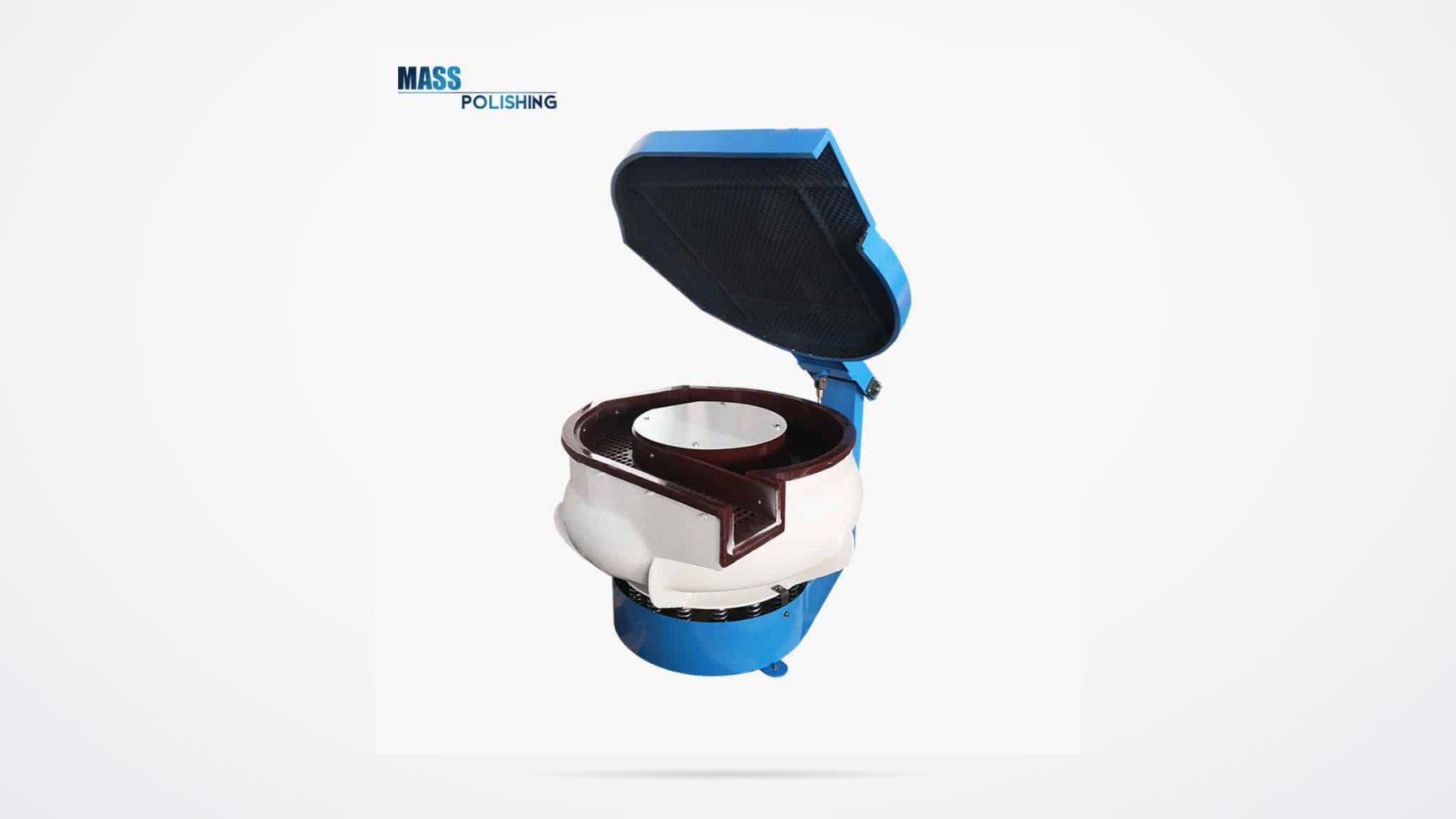
Where workpieces require faster burr removal or finer edge rounding, centrifugal disc finishing adds higher energy than a standard vibratory bowl. Centrifugal barrel finishing provides another step for small precision parts, with controlled batch work and shorter cycle capability in high-force applications.
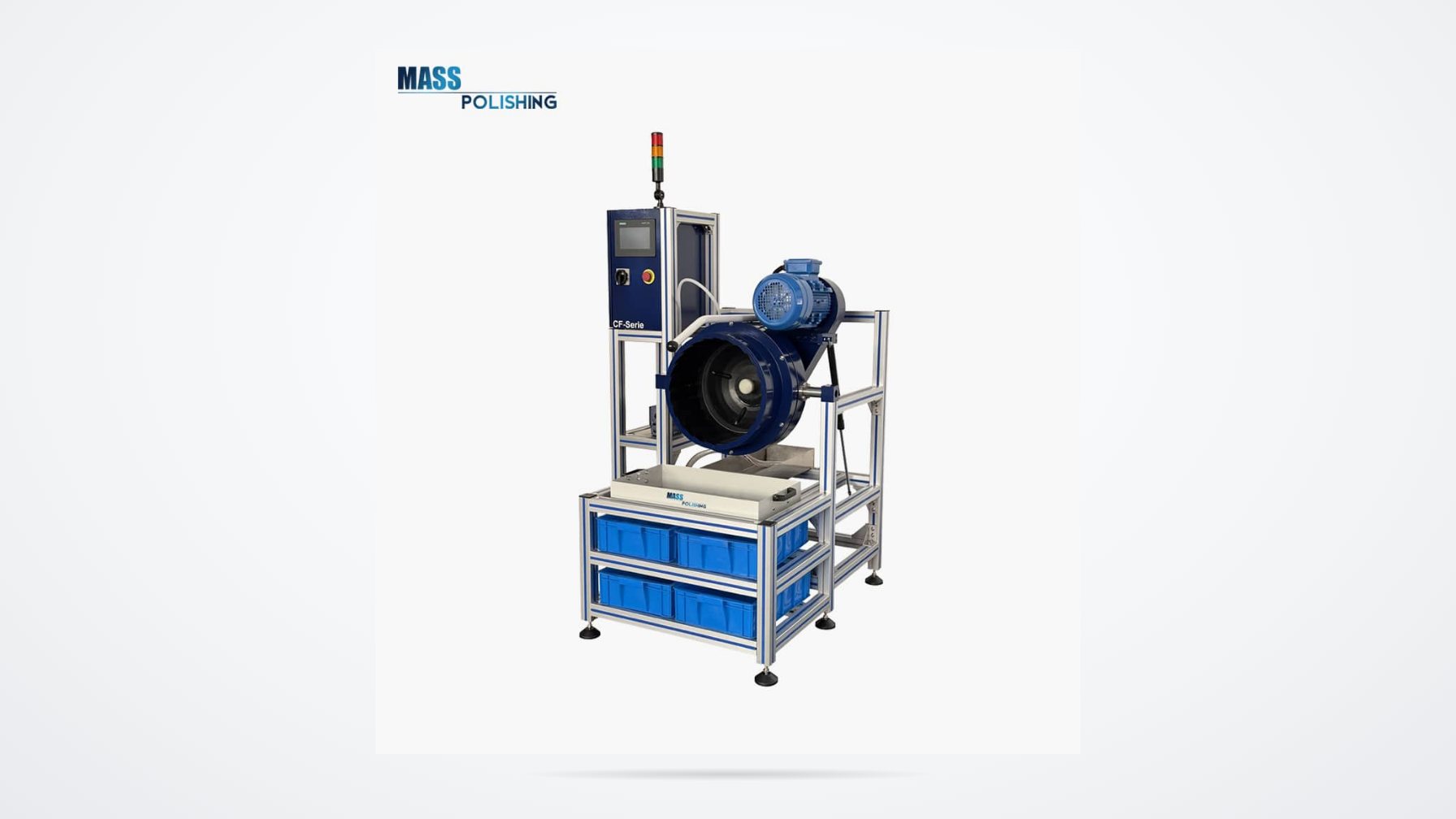
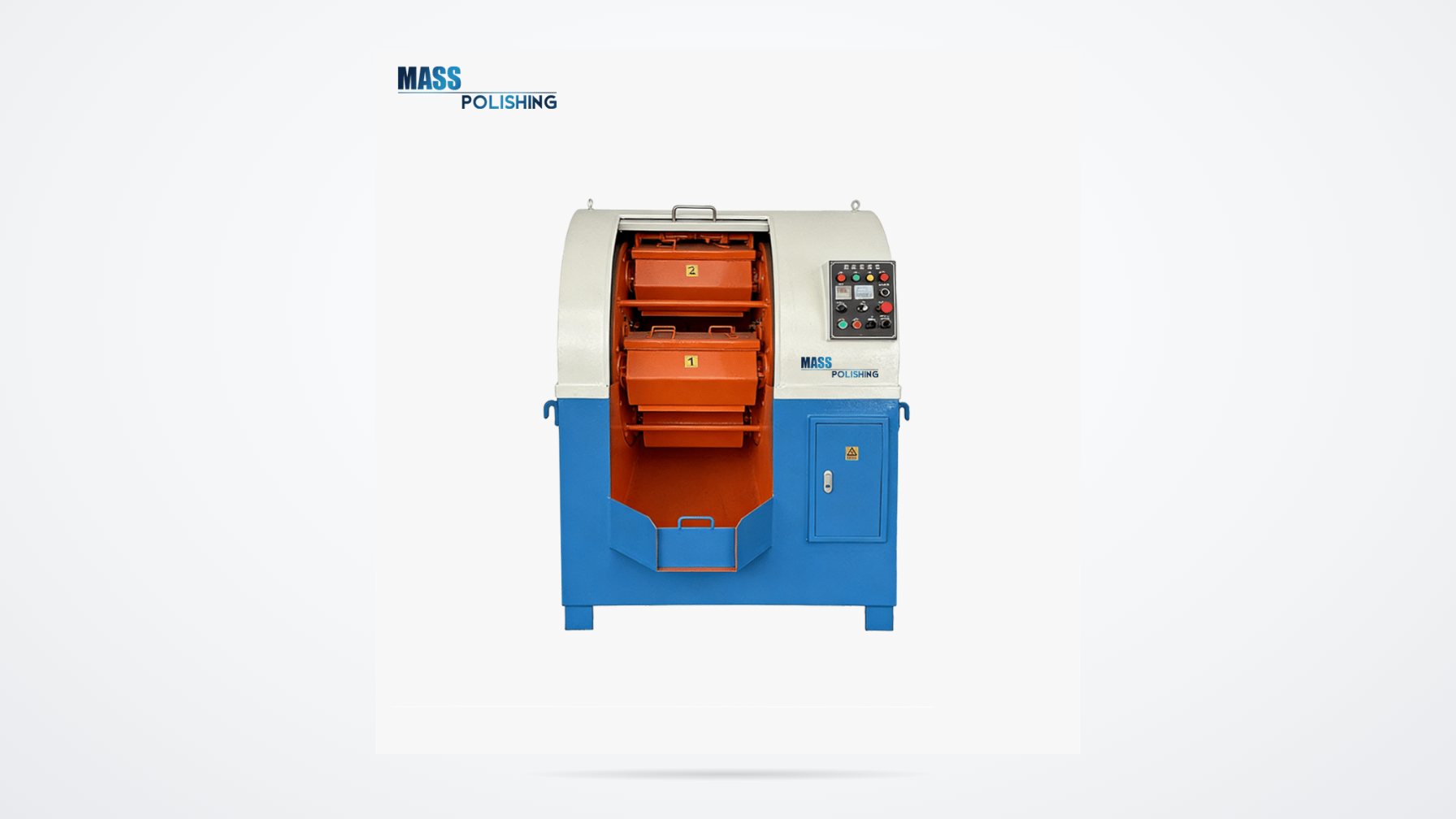
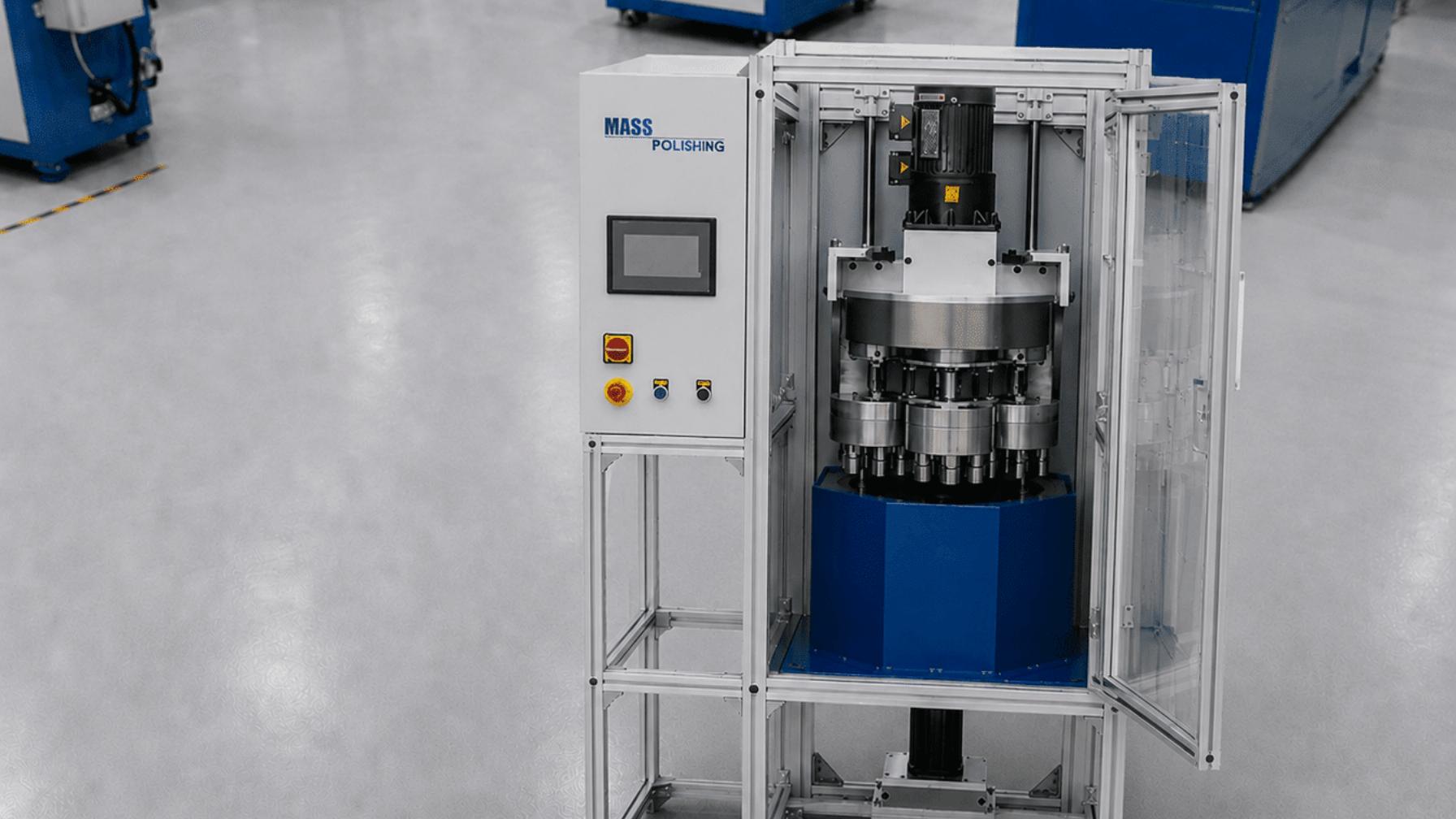
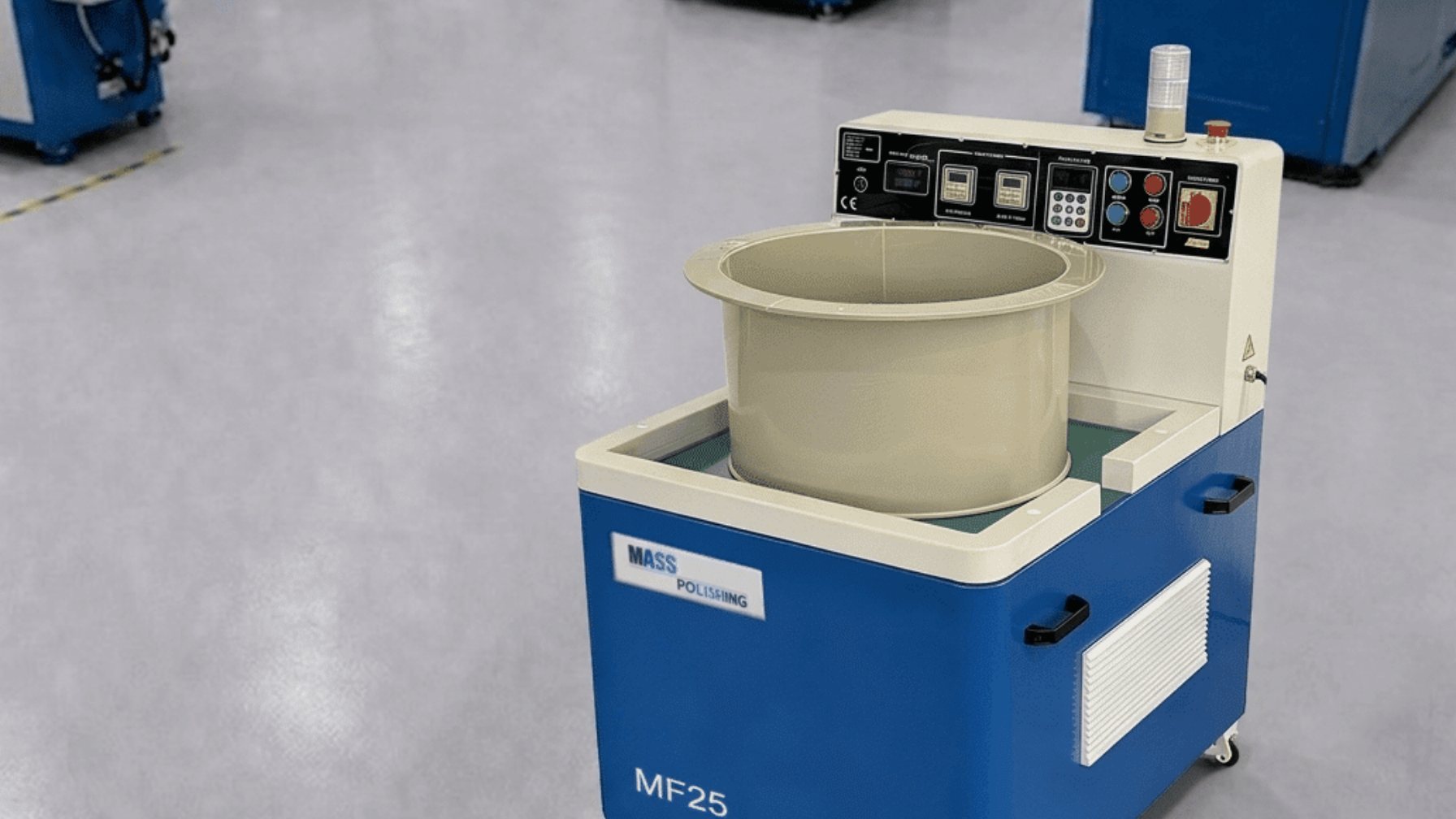
For precision edge rounding and mirror finishing on delicate or high-value parts, drag finishing and magnetic finishing extend the portfolio into work that cannot be handled by a general bowl alone. The goal is not to carry every series at once, but to offer a coherent path from rough deburring to fine surface preparation so a customer can expand without changing suppliers.
Qualification Criteria Worth Preparing Before You Apply
A well-documented distributor application is stronger than a general expression of interest. Before approaching a factory, clarify which accounts you can reach, which finishing processes are already used in the region, and how you would handle spare parts and process questions. A distributor that can read a part drawing and select between ceramic and plastic media reduces the factory’s support load and improves the chance of a wider territory. The same information helps the factory define a realistic first stock package instead of sending a container that does not match local demand.
| Criterion | What to prepare | Why the factory evaluates it |
|---|---|---|
| Sales coverage | List of regions and active customer types | Shows territory reach and demand access |
| Technical ability | Staff capable of specifying machines and media | Reduces misapplication and service burden |
| Logistics | Warehouse, transport, and import capability | Supports equipment delivery and consumables replenishment |
| Financial commitment | Initial stock or purchase capacity | Aligns with territory investment and minimum performance |
| Market plan | Target segments and launch actions | Turns territory rights into actual demand |
Support Training Pricing and After Sales Alignment
Support is the part of a territory agreement that is easiest to overlook in negotiation and most visible after the first machine arrives. Ask whether the factory provides application training, sample processing, installation guidance, marketing content, and spare part availability. For a regional distributor, service speed is often more important than the lowest machine price. If every technical question must return to the factory through a slow chain, local sales momentum stalls.
A better agreement specifies the support path: who answers application questions, how trial parts are processed, and what spare parts can be stocked locally. This turns a sales-only arrangement into a service-led regional business.
With support commitments defined, the next step is choosing the first machines and options that fit local customer demand. <Vibratory Tumbler for Purchase> covers purchase considerations for building a practical starter stock.
Pricing Margin and Minimum Order Planning
The offered margin alone is not the profit. A distributor should build a working cost model from factory price, freight and insurance, import duty, local taxes, warehousing, and after-sales labour. Exclusivity may support a higher gross margin, but only if the market can absorb the price needed to recover those costs. A non-exclusive territory may carry a lower margin but lower fixed commitment.
Before agreeing to a minimum order, estimate how many machine sales and media replenishment orders the territory is likely to support in the first twelve months, then test that number against active accounts and not general market size. If the model does not close, negotiate a smaller initial package or a mixed container with more consumables and fewer machines.
Consumables are what keep the gross margin plan working after the first equipment sale is complete. <Choosing Vibratory Polishing Media> covers media selection choices that shape both customer results and repeat orders.
Plan Your Territory Proposal
Before committing to a territory structure, prepare a one-page distribution plan: target regions, customer types, existing finishing applications, first stock preference, and annual purchase capacity. Mass Polishing, established in the 1990s as a surface treatment specialist, can use that plan to propose territory boundaries, training support, an initial machine and media mix, and a margin structure matched to your market. Send the plan through masspolishing.com and identify your current sales area and warehouse capability. A clearly prepared request prevents a generic allocation and starts the negotiation from your actual market situation.
FAQ
Does an exclusive territory guarantee that no other distributor sells there?
Not automatically. The agreement should state which channels are excluded. Some factories keep house accounts, OEM accounts, or online sales outside the territory rights. Confirm whether factory-direct sales to named accounts or project inquiries are excluded. If they are not, the exclusivity is narrower than it sounds.
What is more valuable: a large territory or a realistic minimum order?
A territory that matches your active accounts is more useful than a large map you cannot cover. A lower minimum order with a smaller, defensible area often produces better first-year cash flow and protects the investment. The factory also benefits from a distributor who can train and serve the area consistently.
Can a new distributor start with consumables instead of machines?
Yes, in some cases. A mixed first order with media and compounds can test local demand and build process knowledge before committing to multiple machine lines. The right mix depends on whether local customers already operate finishing equipment or need complete systems.
How should I evaluate training and spare part support?
Ask for a specific path: application review, sample processing, installation guidance, and spare part lead times. A written answer with named responsibilities is stronger than a general promise of support. Local stock of common linings, media, and compound supports repeat customers and reduces after-sales delay.
If you’re interested, check out these related articles:
How to Extend the Service Life of Automatic Polishing Machine
Common Problems and Countermeasures of Polishing Machine Equipment
Do You Understand Centrifugal Barrel Finishing Machine
Operation and Grinding Elements of Vibrating Grinder Manufacturers
Why Should the Surface of Metal Products Be Smoothed