
Most private-label finishing equipment programs begin with the same question: can the factory build a machine that looks and performs like our own product? In China, the answer depends less on whether a supplier can paint a logo on the bowl and more on whether the manufacturer controls machine structure, control logic, media chemistry, and documentation deeply enough to support the buyer’s brand.
OEM and Private Label: Where Customization Really Begins
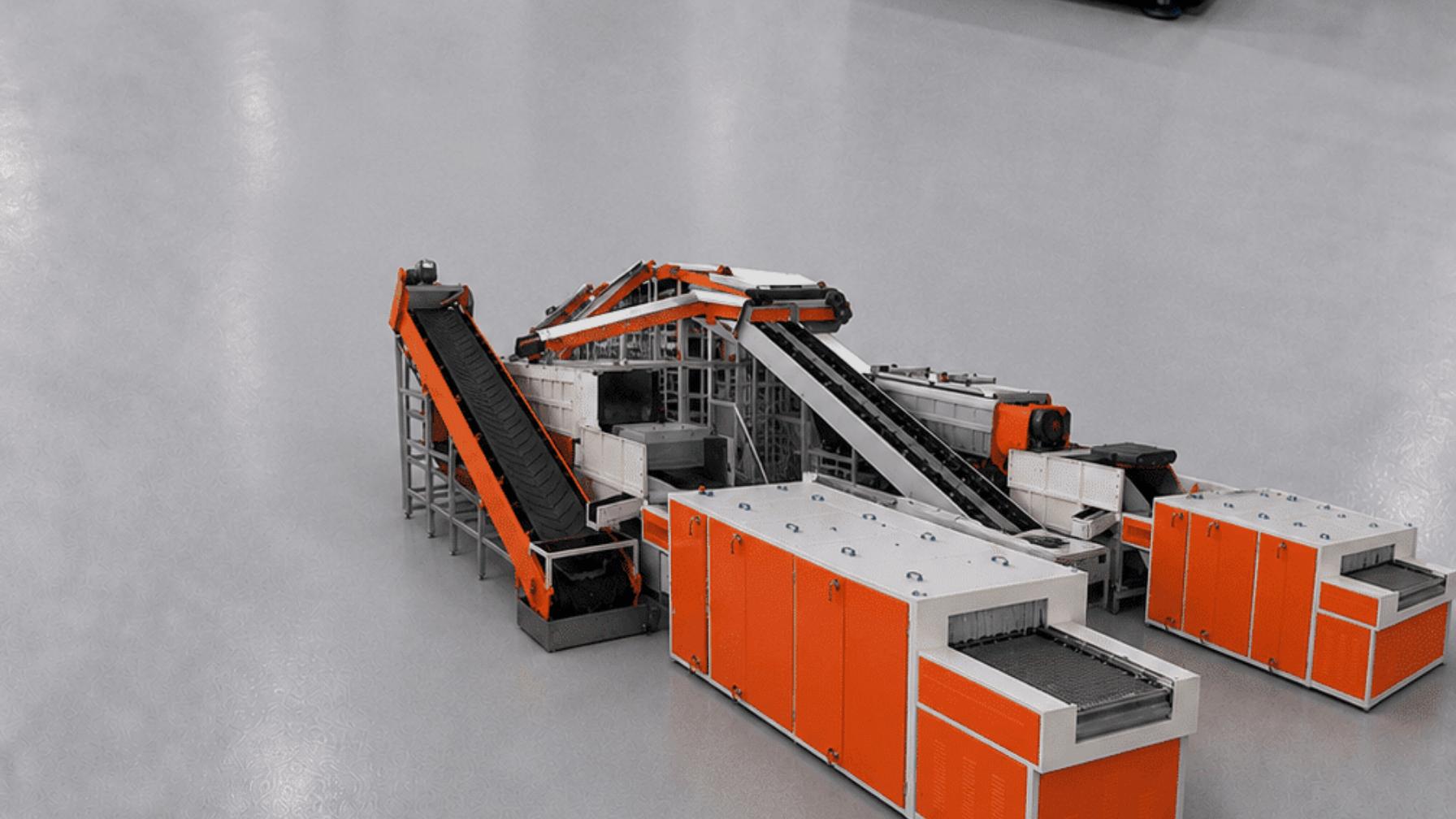
An OEM finishing machine China program generally includes two distinct layers. The first is technical customization: bowl size, motor power, working frequency, separation method, voltage, control interface, and automation level are specified around the customer’s parts. The second is commercial branding: nameplate, paint scheme, manual language, packaging, and document set are produced under the buyer’s private label. A reliable OEM partner should be able to handle both without forcing the buyer to accept a stock model with a new sticker.
Custom Design Variables That Should Be Locked in the RFQ
A useful OEM specification goes far beyond “one deburring machine.” These are the variables that typically change the machine configuration:
- Machine category — vibratory finishing machines, centrifugal disc finishing machines, centrifugal barrel finishing machines, and drag finishing machines all solve different surface problems.
- Bowl or chamber geometry — capacity, wall profile, lining thickness, drain configuration, and separation screen are matched to part size and damage risk.
- Motion and power — vibration motor rating, variable-frequency range, disc speed, barrel rotation, and whether the process is wet or dry.
- Control and automation — timer, pushbutton or PLC control, automatic discharge, media separation, liquid dosing, and integration with an existing production line.
- Brand identity — nameplate text, safety labels, paint color, manual language, and packaging format.
The product range matters because it defines how much of the machine can actually be changed. For example, the SWS series straight-wall vibratory machines span roughly 80 L to 1200 L with built-in separation, while the ED series centrifugal disc finishers provide variable work speeds and automatic discharge variants for production-line use. Selecting the right platform before discussing private-label details prevents a specification that the factory cannot support.
Machine – Precision Deburring)
Process Development Should Precede Machine Configuration
The most underused step in OEM machine specification is sample processing. A part sample run reveals whether the selected media, compound, and machine energy can reach the required edge break or surface roughness before the machine is built. This changes variables that are difficult to correct later: media-to-parts ratio, cycle time, water flow, compound dosage, and separation screen size.
Matching machine architecture to the actual part mix should happen before private-label branding is finalized. <How to Choose a Suitable Automatic Polishing Machine> covers the selection criteria engineers should review before locking an OEM specification.
When Mass Polishing engineers work on an OEM project, the input is not a generic model number. The starting point is the customer’s part drawing, material grade, production volume, and required surface condition. From there, the appropriate machine type, bowl configuration, media, and compound are proposed as one process package. This approach reduces the risk of a machine that meets the branding brief but misses the surface-finish requirement.
Machine – Deburring & Separation)
Branding, Compliance, and Documentation
Private labeling is not only a paint specification. For a finishing machine that carries the buyer’s name, the delivery should include the wiring diagram, spare parts list, operation manual, maintenance schedule, and conformity documentation. If the equipment will be sold into the European Economic Area, it should be supplied under the Machinery Directive 2006/42/EC [1], with CE marking supported by the manufacturer’s technical file. An ISO 9001:2015 quality management system [2] is not a product performance certificate, but it gives the OEM buyer a structured framework for traceability and corrective action.
Documentation quality is often the first place a private-label program reveals weak supplier control. A factory that can produce branded manuals, sequential serial numbers, and revision-controlled wiring drawings is usually capable of supporting the brand after the sale.
Five-Point OEM Specification Checklist
- Part geometry and material — include drawings, material grades, and any features that must be protected from part-on-part contact.
- Target surface finish — define the required Ra, edge radius, or visual benchmark after deburring or polishing.
- Batch volume and cycle time — state parts per batch, shift pattern, and whether manual or automatic separation is needed.
- Electrical and utility constraints — confirm voltage, frequency, available floor area, water supply, and drainage.
- Branding and documentation package — specify nameplate artwork, paint color, language, manual content, and certification requirements.
Send these five items with your inquiry, and the conversation moves quickly from general pricing to process engineering. Email your part drawings, material grades, and target surface finish to our team through the inquiry page, and request a sample-processing trial before the first prototype machine is released.
Quality Verification Before Placing an OEM Order
A disciplined OEM buyer verifies more than the price sheet. The pre-order review should include the factory’s quality system certificate, machine safety documentation, test procedure, welding or lining inspection standard, and a list of spare parts with lead times. It is also reasonable to ask for a video of the exact machine running its final pre-shipment test.
OEM buyers often underestimate how much a purpose-built vibratory system can improve consistency across mixed production runs. <Benefits of a Vibratory Deburring Machine> covers the productivity and quality effects that separate a dedicated process machine from a general-purpose unit.
CE marking itself is a manufacturer’s declaration that the machinery meets applicable EU requirements; it is not a third-party quality certificate [3]. For this reason, the technical file and the supplier’s ability to support it are just as important as the mark on the nameplate.
Machine – Magnetic Polishing)
Start an OEM Finishing Machine Conversation
If you need a private-label finishing machine with your own brand, start with the part and the process rather than the logo. Mass Polishing provides a complete surface treatment evaluation: machine platform, bowl configuration, media, compound, documentation package, and branding instructions. Send your part details and production targets through the contact form, and we will return a recommended specification, sample-processing plan, and quotation for your review.
Frequently Asked Questions
What is the difference between OEM and private label for a finishing machine?
OEM usually refers to manufacturing a machine to the buyer’s technical specification and branding. Private label focuses on selling the same equipment under the buyer’s brand. In practice, many Chinese finishing machine programs combine both: the buyer defines the configuration, and the factory builds and documents the machine as the buyer’s product.
Can you put our brand on the nameplate and manuals?
Yes. The nameplate, safety labels, manual cover, and electronic control interface can be produced with buyer artwork. Technical documentation must still carry accurate model, serial, power, and safety information so that service and compliance are not compromised.
Do we need our own machine drawings to order a custom finishing machine?
No. Detailed production drawings are not required. The OEM process can begin with part drawings, material grades, batch volume, and surface-finish requirements. The manufacturer’s engineering team then proposes the machine platform, bowl or chamber configuration, motor power, and media system.
What documentation should a private-label finishing machine include?
A complete package should include the operation manual, electrical drawings, spare parts list, maintenance schedule, and applicable conformity documentation such as the Machinery Directive technical file and CE marking support for EU-bound equipment.
Can you support spare parts and process development after the machine is rebranded?
Yes. Machines are traceable by serial number, so spare parts and process support can be handled even when the outward brand is the buyer’s. This is one reason to choose a manufacturer that controls its own design and production rather than an intermediary that only sources equipment.
References
[1] European Parliament and Council, “Directive 2006/42/EC of the European Parliament and of the Council of 17 May 2006 on machinery, and amending Directive 95/16/EC,” Official Journal of the European Union, L 157, Jun. 9, 2006.
[2] International Organization for Standardization, ISO 9001:2015 Quality management systems — Requirements, ISO, Geneva, 2015.
[3] European Commission, “CE marking,” European Commission Single Market and Standards. [Online]. Available: https://single-market-economy.ec.europa.eu/single-market/ce-marking_en
If you’re interested, check out these related articles:
How Vibratory Grinders Can Reduce Vibration
Using a Vibratory Polishing Machine
Automotive Industry
Centrifugal Disc Finishing Machine Can Be Adjusted to Different Abrasive Media