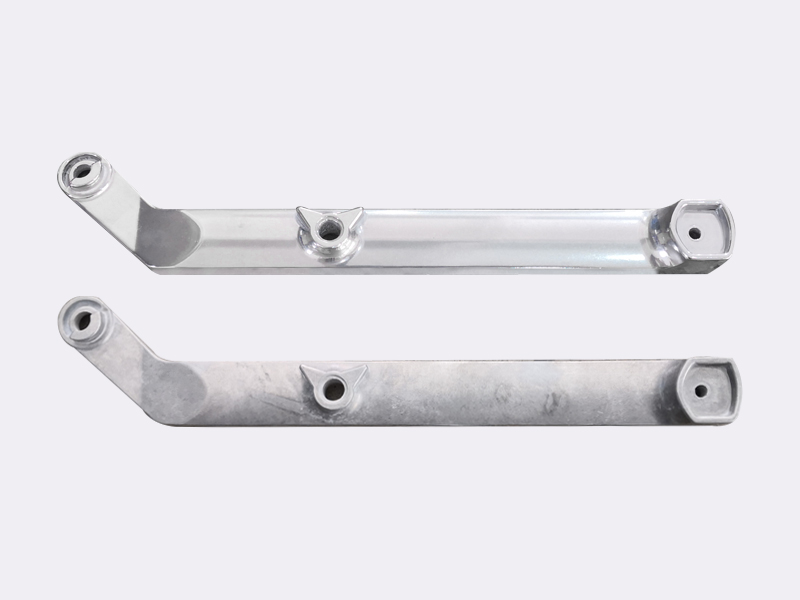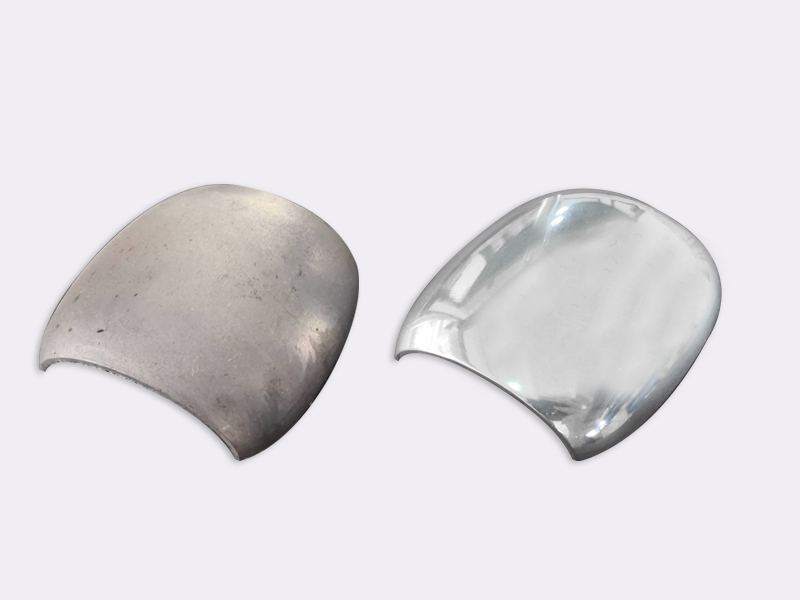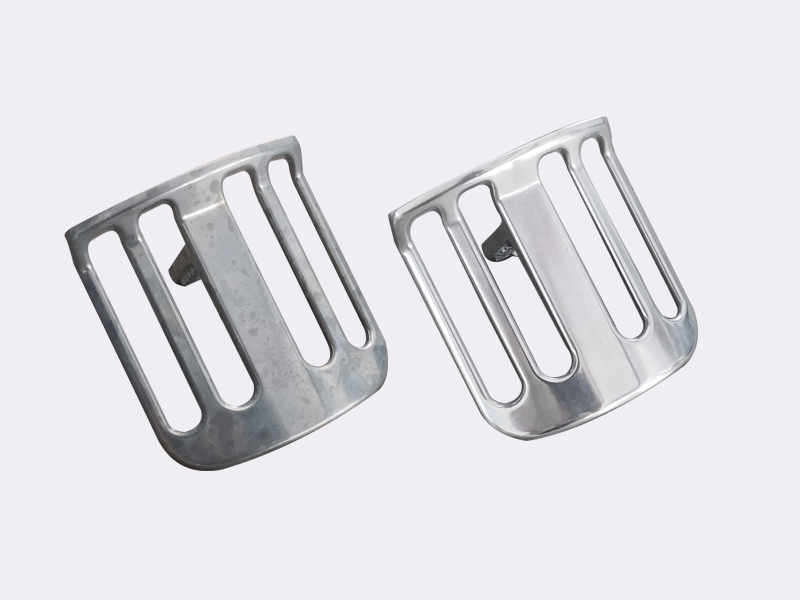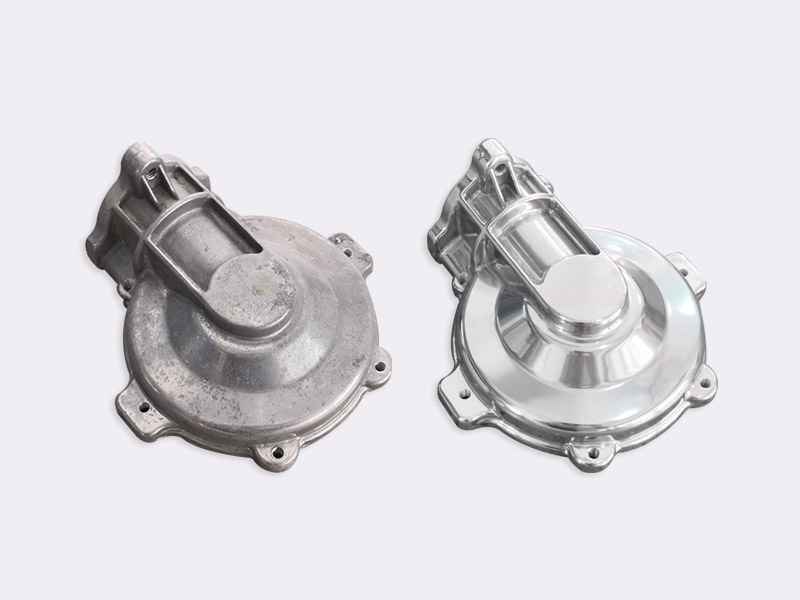

Ideal for Vibratory, Centrifugal, and Barrel Finishing Applications
Ceramic tumbling media is one of the most widely used solutions in vibratory, centrifugal, and barrel finishing. It plays a key role in industrial metal finishing processes such as deburring, edge radiusing, and surface smoothing for hard metals like steel, stainless steel, and titanium. Because of its durability and versatile cutting power, ceramic media is considered an industry standard for achieving consistent and high-quality surface finishes.
While most applications are focused on industrial manufacturing, hobbyists also benefit from similar technology. Many use ceramic media for rock tumbling in gemstone polishing, jewelry finishing, and DIY projects. This dual-purpose versatility makes ceramic media a reliable choice not only for large-scale factories but also for small-scale polishing needs.
In this complete guide, we’ll explain the types of ceramic polishing media , their shapes, cutting grades, and how to select the right option for your process. Whether you are preparing aerospace parts in a vibratory finisher or polishing gemstones in a rotary tumbler, ceramic media offers proven results across a wide range of finishing applications.
What is Ceramic Media?
Ceramic polishing media is a mass finishing abrasive made by bonding aluminum oxide, silicon carbide, or other abrasives into a durable ceramic matrix. It is widely used for deburring, surface smoothing, and edge radiusing of metal parts.
Best for: Steel, stainless steel, titanium, iron, and other hard metals
Avoid on: Soft metals like aluminum or zinc (may cause scratching)
Composition & Types
| Component | Function |
|---|---|
| Aluminum Oxide (Al₂O₃) | Main abrasive, provides cutting power |
| Silicon Carbide (SiC) | Used for ultra-aggressive formulations |
| Ceramic Binder Matrix | Ensures shape retention and durability |
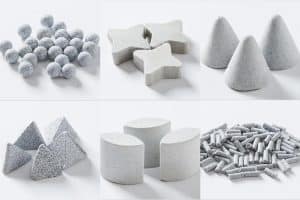
Common Shapes:
Triangle
-
Most Versatile Shape
-
Ideal for flat surfaces, corners, and edges
-
Available in various angles and sizes
-
Prevents lodging in most parts Best used for: General deburring and edge radiusing
Cylinder / Straight Cut Cylinder
-
Excellent rolling action
-
Gentle on parts, low impact
-
Suitable for inside curves or tubes Best used for: Polishing and light surface smoothing
Cone
-
Tapered point reaches into holes and recesses
-
Smooth flow in vibratory bowls
-
Avoids lodging in small cavities Best used for: Internal features, die-cast part finishing
Tetrahedron / Pyramid
-
Aggressive cutting edges
-
Good for tight corners and slots
-
Often used for hard metal burr removal Best used for: Heavy-duty deburring and sharp edge blending
Elliptical / Oval / Lens
-
Uniform surface contact
-
Lower impact — suitable for delicate parts
-
Smooth flowing in centrifugal and disc machines Best used for: Polishing small or thin-walled components
Ball / Sphere
-
Minimal cutting, great for burnishing
-
High rolling effect, gentle on parts
-
Not suitable for aggressive material removal Best used for: Final polishing and bright finishing
Cutting Grades:
-
High-Cut → For fast, aggressive deburring
-
Medium-Cut → Balanced surface prep
-
Low-Cut → Light finishing or pre-polish

Typical Applications
| Application | Industry Example | Recommended Media |
|---|---|---|
| Heavy Deburring | Engine or casting parts | High-cut ceramic triangle |
| Surface Smoothing | Aerospace brackets | Medium-cut cylinder |
| Pre-Coating Prep | Die-cast steel or zinc | Low-cut cone |
| Rust/Scale Removal | Tools, industrial parts | High-cut cone |
Compatible Machine Types
| Machine | Suitability | Notes |
|---|---|---|
| Vibratory Finisher | Excellent | Consistent finish, large batches |
| Centrifugal Barrel | Excellent | Fast and aggressive action |
| Centrifugal Disc | Good | Use fine-grade ceramic |
| Rotary Barrel | Moderate | Slower cycles but deeper polish |
To choose the right ceramic media for your finishing process, start by considering the base material of the part—hard metals like stainless steel or titanium typically require high-cut ceramic media, while softer materials may need gentler options. Next, define your surface finish goals: whether you aim for aggressive deburring, smooth surface refinement, or pre-polishing, your desired outcome will guide the media selection.
It’s also essential to match the shape of the media to the geometry of your parts to avoid lodging in holes or corners—cones and triangles are great for complex shapes, while cylinders are ideal for flat or curved surfaces. Additionally, select the appropriate media size based on the part dimensions; small media is better for detailed components, while larger media suits bulkier parts. Finally, always ensure the media is compatible with your specific finishing machine type, such as vibratory, centrifugal, or rotary systems, to achieve the most efficient and consistent results.
Step-by-Step Guide:
| Step | Criteria | Details & Recommendations |
|---|---|---|
| 1 | Base Material | Use high-cut ceramic for hard metals (steel, titanium); choose gentler media for aluminum or brass. |
| 2 | Surface Finish Goals | For heavy deburring, use aggressive media; for smooth finishing, use low-cut media; for pre-polish, use fine ceramic. |
| 3 | Media Shape vs. Part Geometry | Use cones/triangles for holes, slots, and grooves; cylinders/ovals for flat or curved surfaces. |
| 4 | Media Size | Small media (3–6mm) for small or detailed parts; large media (10–20mm) for large, flat components. |
| 5 | Machine Compatibility | Match media to machine: vibratory (general use), centrifugal (high energy), rotary (long cycles). |
Ceramic Media Polishing Process Workflow
| Stage | Action | Media Example |
|---|---|---|
| Loading | Add ceramic media + compound (with water) | 60–80% of bowl capacity |
| Processing | Run machine for 20–60 mins depending on result | Medium-cut cones |
| Inspection | Check Ra finish; repeat with finer media if needed | Low-cut cylinders |
| Cleaning | Rinse, separate media, and dry parts | Magnetic separator or screen |
Pros & Cons of Ceramic Media
Ceramic media provides exceptional durability, powerful cutting performance, and versatile machine compatibility, delivering cost-effective, long-lasting metal finishing solutions for industrial applications. Its superior wear resistance outperforms plastic alternatives while efficiently removing burrs across vibratory, centrifugal and barrel systems, reducing replacement needs and operational costs.
While ceramic media excels for hard metals, its high abrasiveness can damage softer materials like aluminum or brass. The heavy weight increases part-on-part contact in high-energy systems, potentially causing dings or deformation. Dry processing may generate fine dust particles, making wet methods preferable for cleaner operation and better surface finishes.
Maintenance Tips
-
Clean media regularly – remove sludge and residue
-
Replenish 10–20% monthly for consistent performance
-
Inspect media shape – discard worn or broken pieces
-
Store in a dry, sealed container to avoid moisture
Pro Tips for Better Results
-
Always run a small test batch first
-
Use water + compound for optimal results
-
Do not mix ceramic media between steel and aluminum parts
-
Monitor slurry temperature (stay below 50°C)

Conclusion
Ceramic tumbling media remains one of the most reliable and versatile choices for industrial finishing. With its high durability, powerful cutting ability, and adaptability across different machine types, it ensures consistent results for deburring, edge radiusing, and pre-polishing hard metals. When used in vibratory finishing machines, ceramic vibratory finishing media provides uniform surface treatment and supports large-batch processing, making it ideal for manufacturers seeking efficiency and quality.
By selecting the right shape, size, and cutting grade, you can optimize both productivity and surface finish, whether in heavy-duty industrial operations or even small-scale tumbling applications. With proper maintenance, ceramic media delivers long-lasting performance and remains an essential solution for achieving professional polishing results.