
Silver tarnish is not a polishing failure. It is the visible result of sulfur compounds reacting with the silver surface, and it begins again whenever the metal is exposed to air, handling, or packaging that carries those compounds. Silver jewelry polishing removes existing sulfide film and levels the surface, but a bright finish only stays bright when the polishing process closes scratches and the after-treatment slows new sulfide formation. For that reason, we treat anti tarnish protection as a process chain rather than a final dip, and we evaluate every polishing step by how clean and closed it leaves the silver.
Silver Tarnishes Because Sulfur Compounds React with the Surface
Silver does not rust, but it reacts readily with sulfur. The dark film on silver jewelry is silver sulfide, formed when sulfur compounds in sweat, rubber bands, wool, newspaper, cardboard, or polluted air contact the metal. Moisture speeds the reaction. A rougher surface makes the problem worse because it carries more exposed area, holds moisture and sulfur particles, and gives sulfide film a place to anchor. That is why a fine polish is not cosmetic; it reduces the surface area and leaves fewer micro-crevices where tarnish nucleation can start. We see this consistently with sterling silver findings. A chain that has been polished to a closed, reflective surface will stay visually acceptable far longer than the same alloy with a matte or scratched finish, even before any anti tarnish chemical is applied.
Polishing removes existing tarnish, but it also creates reactive material. Fine silver and sterling alloys are soft, so aggressive cutting media can fold the surface rather than cut it cleanly, embedding abrasive or compound residues. That embedded residue later becomes a tarnish trigger. This is why silver finishing needs a sequence: remove the old sulfide film, refine the surface with progressively gentler media, rinse out residues, and dry before applying a protective film.
Anti Tarnish Surface Treatment Depends on a Clean, Closed Surface
Anti tarnish treatments are not simply applied to a polished surface. A chemical dip, clear coating, or protective plate will only perform as well as the surface under it. If the polishing compound is not rinsed from recessed areas, or if the surface still carries fine residual abrasive, the treatment film forms unevenly and tarnish can begin underneath the coating. In our process development work, we have seen anti tarnish film failures traced back to rinse water, not to the treatment chemistry. A few seconds of extra rinsing and a controlled dry often improve tarnish resistance more than increasing the concentration of the anti tarnish bath.
Silver jewelry manufacturers usually choose among organic tarnish inhibitor dips, clear lacquer or e-coat films, and metal overlays such as rhodium. Each has a different trade-off. Dips are fast and low cost but limited in durability. Clear films protect longer but may change the look and can wear unevenly on high-contact areas. Plating offers durability and color stability but adds cost and changes the metal surface. The final choice depends on whether the piece contacts skin daily, whether gemstones are present, and what the retail market expects.
Compound choice changes the residue left on the silver surface and therefore the adhesion of any after-treatment. <Choosing the Right Finition Vibratoire Compound for Your Application> covers how pH and rinsing behavior of a compound affect the final surface before plating or coating.
Batch Finishing Methods for Silver Jewelry Protect Detail and Throughput
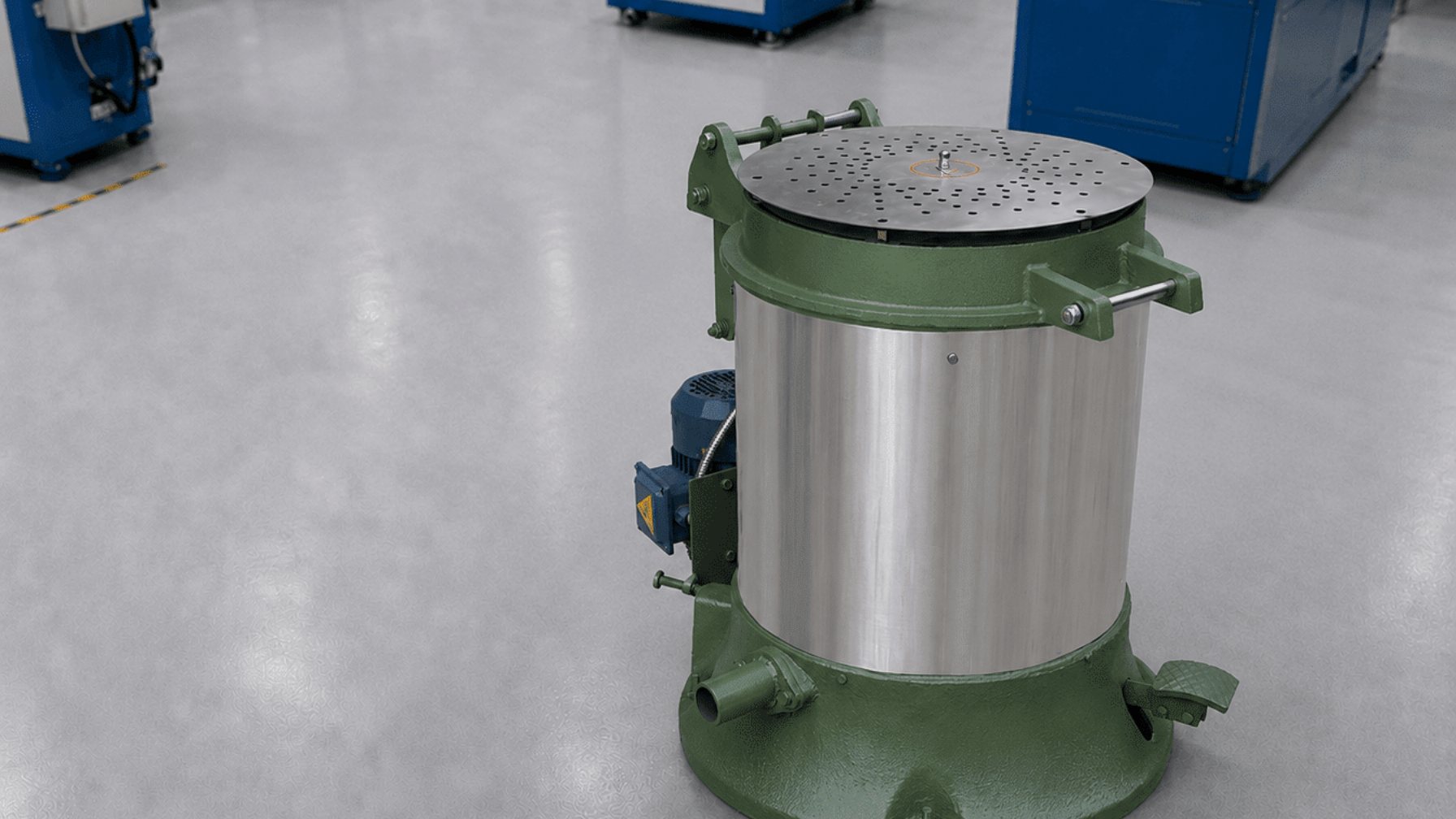
Silver is softer than stainless steel and far more sensitive to part-on-part contact. The batch finishing method has to protect fine prongs, hollow links, chain ends, and polished stone settings while still delivering uniformity. There is no single machine for every silver product, and we choose based on geometry, batch size, and how much water can remain before anti tarnish treatment. The table below is the same logic we apply when a customer sends a mixed jewelry program.
| Finishing method | Best use for silver jewelry | Tarnish control impact |
|---|---|---|
| Vibratory bowl with fine porcelain or plastic media | Rings, pendants, medium-size chains | Levels fine scratches; needs thorough rinse to remove compound |
| High precision centrifugal disc finishing | Filigree, settings, complex geometry | Reaches fine detail with controlled gap; fixtures prevent part damage |
| Dry centrifugal barrel finishing | Pieces that cannot retain moisture before anti tarnish | Leaves a dry surface and avoids water spotting |
| Magnetic pin finishing | Chain links, undercuts, small recesses | Removes tarnish in recesses; pin separation and rinse determine the result |
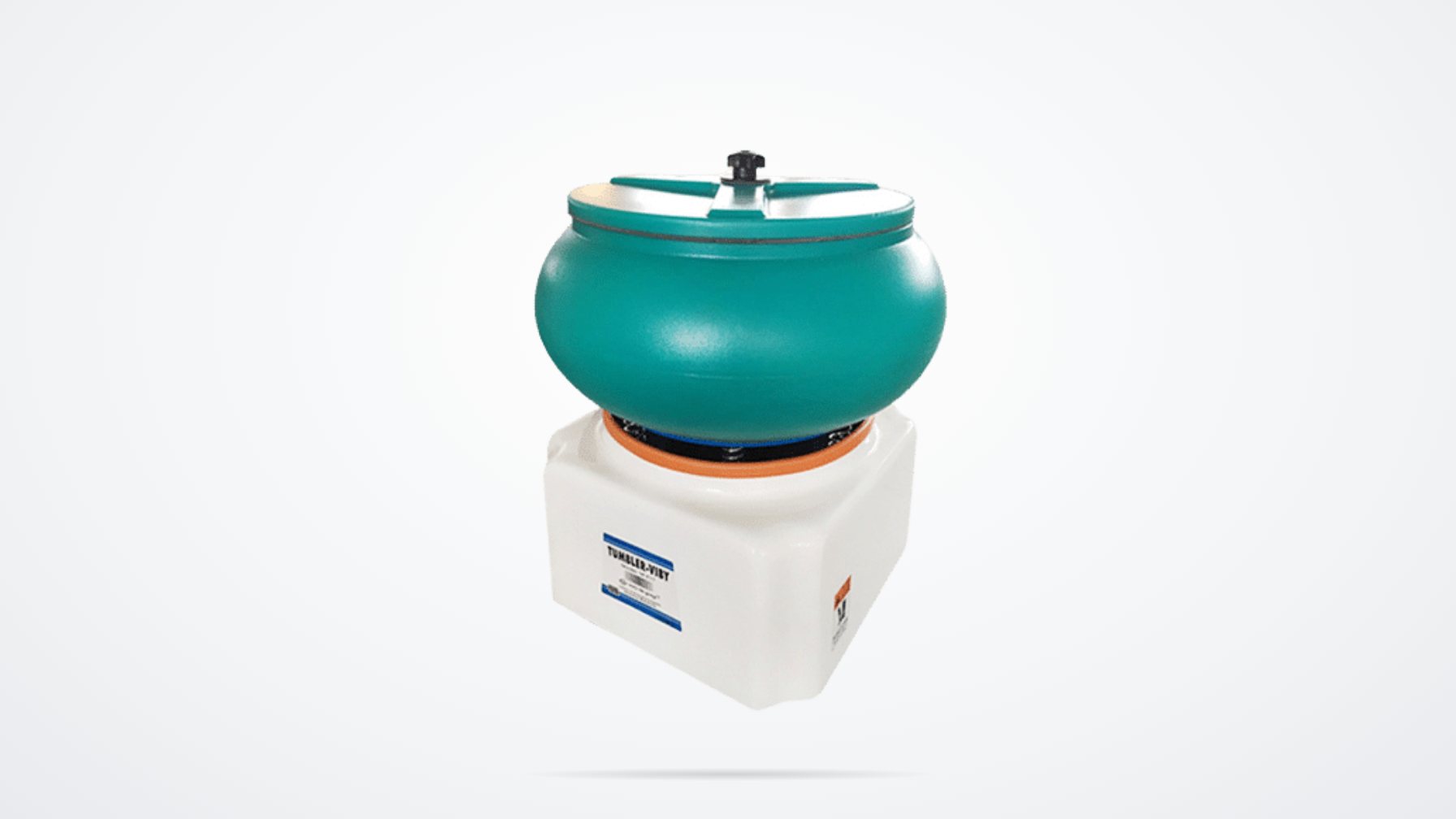
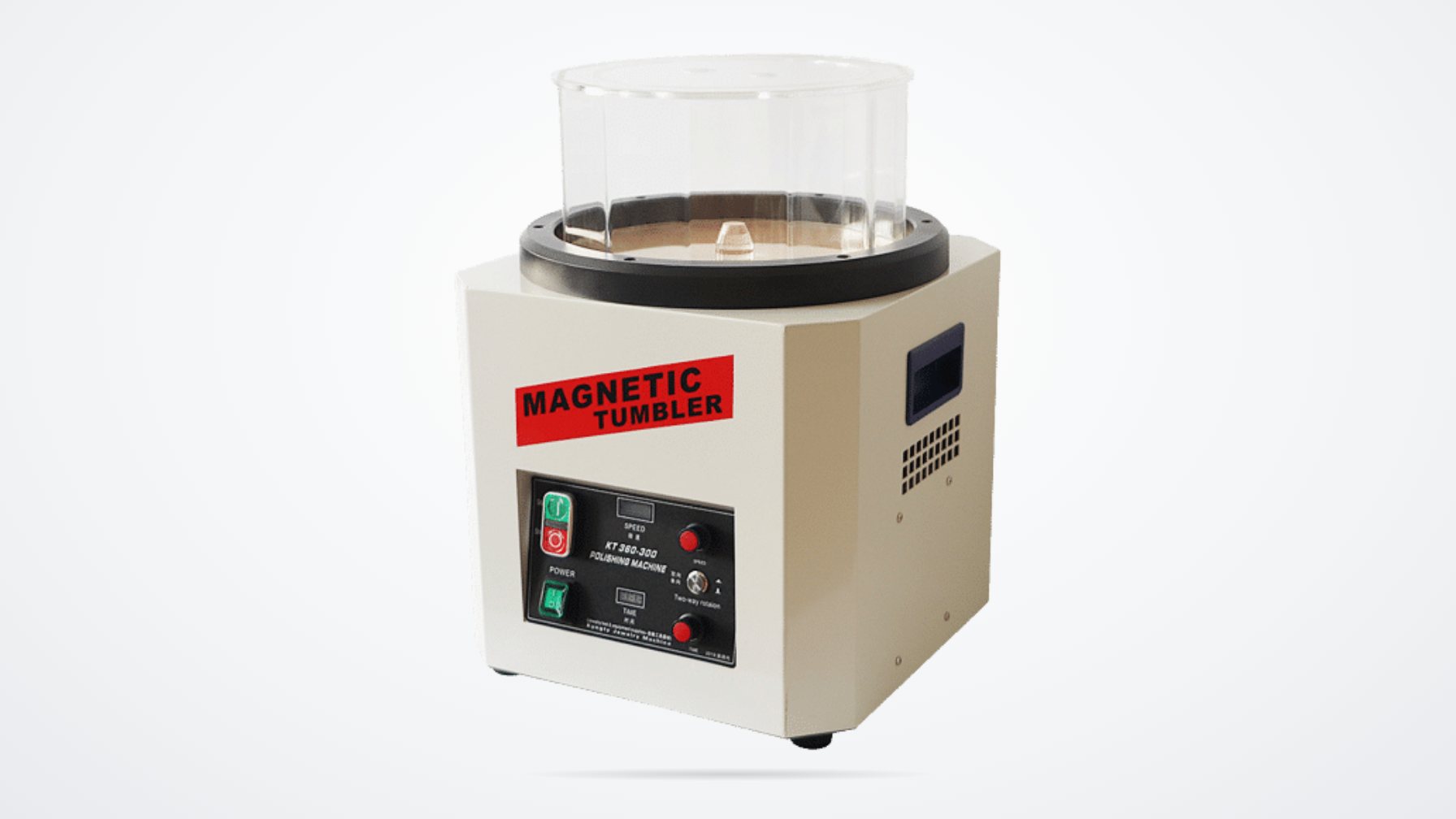

Vibratory bowls remain the most flexible starting point for silver rings and pendants, because the same machine can run cut, polish, and burnish steps with different media. For hollow links or pieces that trap water, we move toward dry processes. Dry centrifugal barrel finishing removes the water variable entirely, which matters when parts go directly into an anti tarnish dip. Magnetic pin finishing handles the inside of chain links and fine recesses that bowl media cannot reach, but it adds a pin removal step and requires a final rinse with greater care.
If your silver program mixes chains, hollow findings, and stone set pieces, the correct method may not be a single machine. It is worth confirming media size, gap settings, and cycle aggressiveness before you lock a bill of materials. Share photos and part dimensions with [email protected] and we will recommend a sequence and run a sample batch.
The Process Sequence Determines Tarnish Resistance More Than Any Single Step
From our sample processing records, the sequence below consistently produces a more stable silver surface than running a longer polish cycle.
- Sort the batch by alloy, geometry, and stone setting risk. Sterling pieces with soldered findings and delicate chains should not run with heavier cast rings unless fixtures or chamber dividers keep them apart.
- cURL Too many subrequests by single Worker invocation. To configure this limit, refer to https://developers.cloudflare.com/workers/wrangler/configuration/#limits.
- cURL Too many subrequests by single Worker invocation. To configure this limit, refer to https://developers.cloudflare.com/workers/wrangler/configuration/#limits.
- cURL Too many subrequests by single Worker invocation. To configure this limit, refer to https://developers.cloudflare.com/workers/wrangler/configuration/#limits.
- cURL Too many subrequests by single Worker invocation. To configure this limit, refer to https://developers.cloudflare.com/workers/wrangler/configuration/#limits cURL Too many subrequests by single Worker invocation. To configure this limit, refer to https://developers.cloudflare.com/workers/wrangler/configuration/#limits cURL Too many subrequests by single Worker invocation. To configure this limit, refer to https://developers.cloudflare.com/workers/wrangler/configuration/#limits.
- cURL Too many subrequests by single Worker invocation. To configure this limit, refer to https://developers.cloudflare.com/workers/wrangler/configuration/#limits.
- cURL Too many subrequests by single Worker invocation. To configure this limit, refer to https://developers.cloudflare.com/workers/wrangler/configuration/#limits.
cURL Too many subrequests by single Worker invocation. To configure this limit, refer to https://developers.cloudflare.com/workers/wrangler/configuration/#limitscURL Too many subrequests by single Worker invocation. To configure this limit, refer to https://developers.cloudflare.com/workers/wrangler/configuration/#limitscURL Too many subrequests by single Worker invocation. To configure this limit, refer to https://developers.cloudflare.com/workers/wrangler/configuration/#limits.
cURL Too many subrequests by single Worker invocation. To configure this limit, refer to https://developers.cloudflare.com/workers/wrangler/configuration/#limits
cURL Too many subrequests by single Worker invocation. To configure this limit, refer to https://developers.cloudflare.com/workers/wrangler/configuration/#limits.
cURL Too many subrequests by single Worker invocation. To configure this limit, refer to https://developers.cloudflare.com/workers/wrangler/configuration/#limits.
cURL Too many subrequests by single Worker invocation. To configure this limit, refer to https://developers.cloudflare.com/workers/wrangler/configuration/#limits
cURL Too many subrequests by single Worker invocation. To configure this limit, refer to https://developers.cloudflare.com/workers/wrangler/configuration/#limits
cURL Too many subrequests by single Worker invocation. To configure this limit, refer to https://developers.cloudflare.com/workers/wrangler/configuration/#limits.
cURL Too many subrequests by single Worker invocation. To configure this limit, refer to https://developers.cloudflare.com/workers/wrangler/configuration/#limits
cURL Too many subrequests by single Worker invocation. To configure this limit, refer to https://developers.cloudflare.com/workers/wrangler/configuration/#limits.
Si vous êtes intéressé, consultez ces articles liés :
cURL Too many subrequests by single Worker invocation. To configure this limit, refer to https://developers.cloudflare.com/workers/wrangler/configuration/#limits
cURL Too many subrequests by single Worker invocation. To configure this limit, refer to https://developers.cloudflare.com/workers/wrangler/configuration/#limits
Stainless Steel Walnut Zirconic Finishing Media
cURL Too many subrequests by single Worker invocation. To configure this limit, refer to https://developers.cloudflare.com/workers/wrangler/configuration/#limits