
Aluminum CNC part polishing looks simple until parts leave the machine with uneven brightness, rounded edges, or white stains after drying. The difference between a bright uniform batch and a rejected one is usually the combination of machine energy, media shape, compound type, and water control. Most of the failures we see do not start at the polishing step. They start with the burr condition and chip pattern left by machining, and they are locked in the moment the wrong media hits a sharp corner. This article lays out the machine, media, and process decisions we use to produce repeatable bright finishes on aluminum CNC parts without losing dimensional control.
Why Do Aluminum CNC Parts Need a Different Polishing Sequence?
Aluminum is soft enough that the same energy that removes a burr can also smear material over a sharp edge or round a threaded crest if the media is too coarse. The oxide layer on 6061 and 7075 alloys also reacts with water and compound residues, which is why a bright part can leave the machine looking clean and then show white spots the next morning. In our process reviews, the part usually tells the story. A satin smudge across a flat surface means the cut was too light for the machining lines, while a dull rounded corner means the deburring step ran too long before the polishing stage.
Aluminum responds to mechanical finishing differently enough from steel that a steel-based process will either dent soft aluminum or leave a smeared, dull surface. <How to Use Acabado vibratorio Página de máquinas> covers loading, wet process control, and timing details that apply directly to soft aluminum components.
The sequence we follow separates burr removal from brightness. The first step clears tool marks and removes the main burr with light-cut media and controlled water. The second step refines the surface with finer media or dry polishing. If the burr is not cleared before brightness is attempted, the polishing media simply shines the remaining edge defect instead of cutting it away.
Which Machine and Media Combination Suits Aluminum CNC Part Polishing?
Machine choice comes before media choice because the energy level decides how fast the surface changes and how much risk the part carries. The table below separates the main equipment options by what they do for aluminum CNC components.
| Machine family | Fit for aluminum CNC parts | Typical output | Key caution |
|---|---|---|---|
| Vibratory bowl (SW/SWS) | Burr removal, radiusing, pre-polish | Uniform satin to bright | Heavy burrs need long cycles |
| Centrifugal disc (ED/PD) | Medium batches, faster edge cleaning | Bright fine finish with shorter cycles | Thin walls need dividers |
| Centrifugal barrel (EB) | High-gloss small precision parts | Mirror bright isotropic finish | Smaller barrels, higher part stress |
| Magnetic finishing (MF) | Micro burrs in holes and narrow features | Bright without edge rounding | Small batch weight |
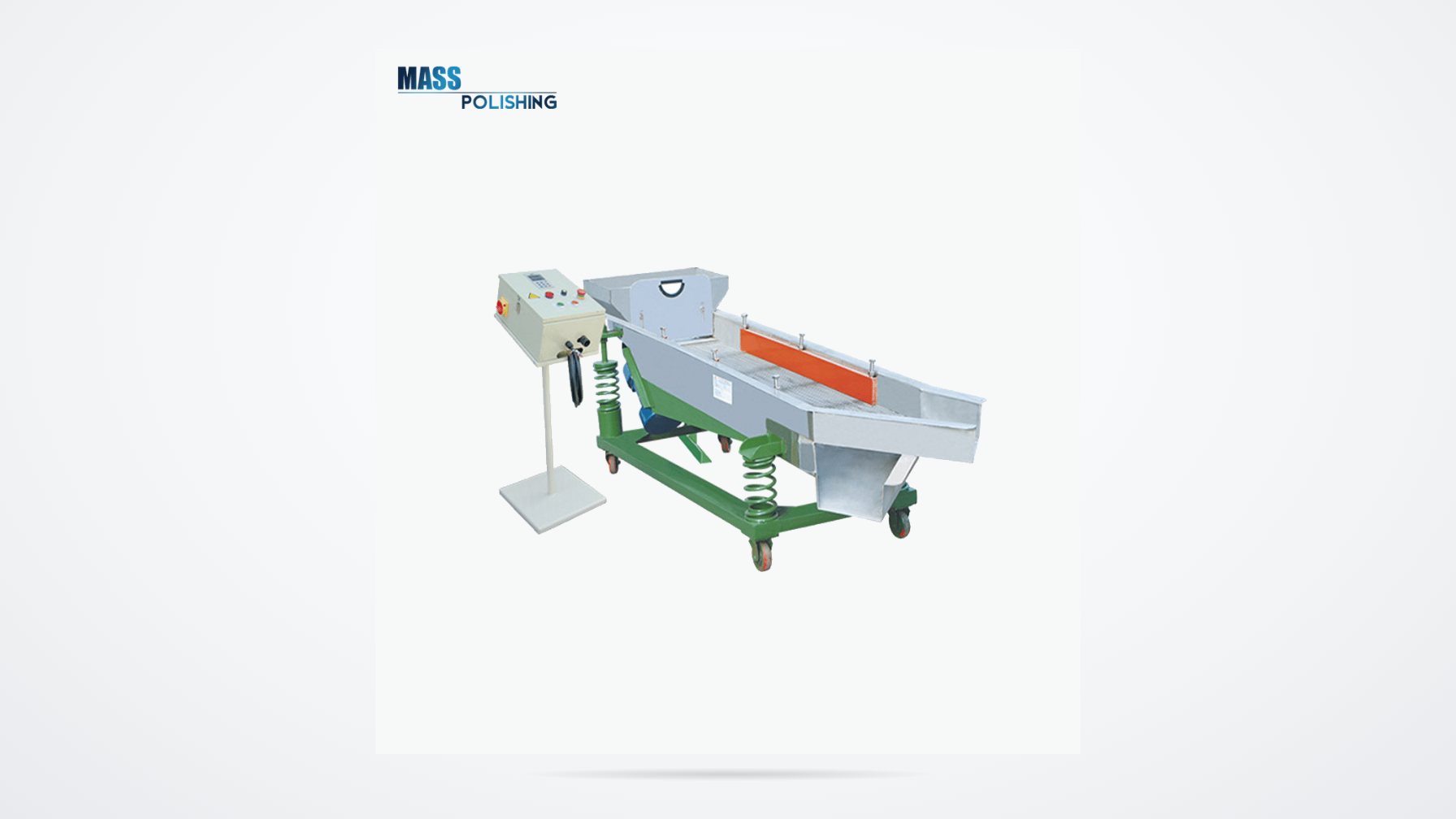
Most aluminum CNC programs start in a vibratory bowl. The SW 150 or CWS 300 from Mass Polishing gives a predictable energy level and can be fitted with a separation screen and compound dosing. We use vibratory for the main deburring and radiusing work, then move to a centrifugal disc or barrel only when the specification calls for mirror brightness or a much shorter cycle.
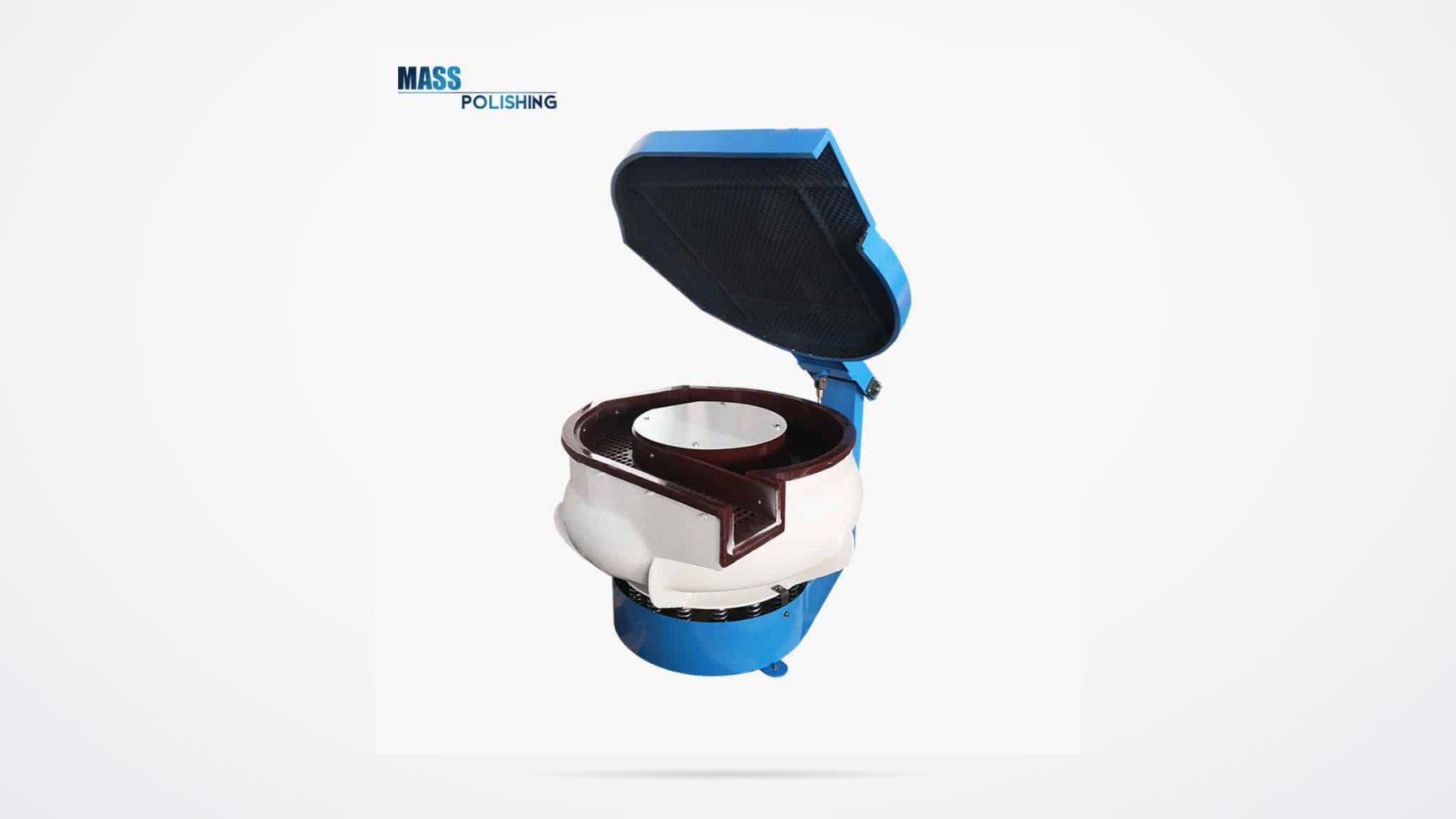
For parts with pockets or holes that trap media, the machine is less important than the media shape and the divider arrangement. A high-energy disc can clear inside corners quickly, but it also increases part-on-part contact unless the load volume and water level are set correctly. The ED Series centrifugal disc delivers 10 to 15 times greater force than conventional vibratory systems, so it is reserved for aluminum parts where edge rounding has already been accepted or where the schedule cannot tolerate long cycle times.
What Media and Compound Combination Preserves Machined Detail?
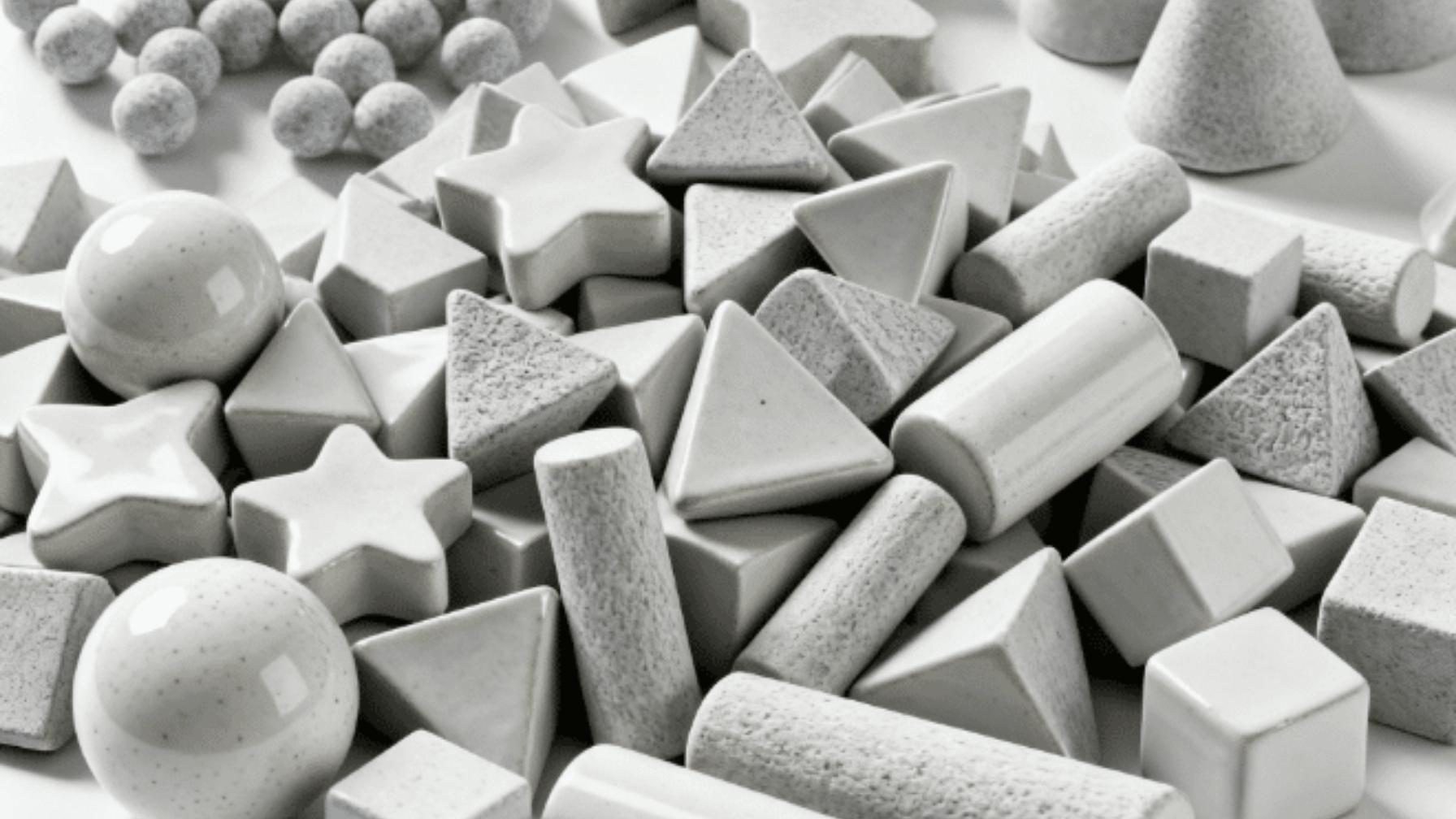
On aluminum, the safest starting point is plastic media. The V pre-plate plastic media at 1500# and the LC light-cut plastic media at 800# remove burrs without denting the soft surface, and they cut more slowly than ceramic, which gives the operator time to stop before the geometry changes. Ceramic media has its place after the main burr is gone, especially when a more uniform matte finish or faster edge break is needed. We keep ceramic light-cut grades for 7075 parts with heavier machining lines and use high-density porcelain or walnut shell dry media for the final brightening pass.
Compound choice matters because aluminum stains faster than most engineers expect. The LC10 general purpose compound works across aluminum and has a mild pH of 8.1, but it is not a final rinse. After wet finishing we move parts quickly through clean water and then into a dryer. Leaving aluminum in the same slurry through a lunch break is a common way to create white oxidation spots that later require rework.
Brightness comes from the interaction among abrasive particle size, compound chemistry, and work pressure, not from one media purchase. <Key to the Success of Finishing Process> explains why changing one input changes the whole surface result and why stable dosing matters more than chasing a perfect benchmark.
If your program involves anodizing after polishing, it is worth confirming the required pre-anodize Ra and edge break before finalizing the media and compound. Send your part number and current finish requirement to [email protected] and we can recommend a test cycle.
cURL Too many subrequests by single Worker invocation. To configure this limit, refer to https://developers.cloudflare.com/workers/wrangler/configuration/#limits
cURL Too many subrequests by single Worker invocation. To configure this limit, refer to https://developers.cloudflare.com/workers/wrangler/configuration/#limits.
- cURL Too many subrequests by single Worker invocation. To configure this limit, refer to https://developers.cloudflare.com/workers/wrangler/configuration/#limits.
- cURL Too many subrequests by single Worker invocation. To configure this limit, refer to https://developers.cloudflare.com/workers/wrangler/configuration/#limits.
- cURL Too many subrequests by single Worker invocation. To configure this limit, refer to https://developers.cloudflare.com/workers/wrangler/configuration/#limits.
- cURL Too many subrequests by single Worker invocation. To configure this limit, refer to https://developers.cloudflare.com/workers/wrangler/configuration/#limits.
cURL Too many subrequests by single Worker invocation. To configure this limit, refer to https://developers.cloudflare.com/workers/wrangler/configuration/#limitsWhat Are the Characteristics of a Acabado en barril centrífugo Página de máquinascURL Too many subrequests by single Worker invocation. To configure this limit, refer to https://developers.cloudflare.com/workers/wrangler/configuration/#limits.
El cURL Too many subrequests by single Worker invocation. To configure this limit, refer to https://developers.cloudflare.com/workers/wrangler/configuration/#limits cURL Too many subrequests by single Worker invocation. To configure this limit, refer to https://developers.cloudflare.com/workers/wrangler/configuration/#limits.
cURL Too many subrequests by single Worker invocation. To configure this limit, refer to https://developers.cloudflare.com/workers/wrangler/configuration/#limits
cURL Too many subrequests by single Worker invocation. To configure this limit, refer to https://developers.cloudflare.com/workers/wrangler/configuration/#limits.
cURL Too many subrequests by single Worker invocation. To configure this limit, refer to https://developers.cloudflare.com/workers/wrangler/configuration/#limits.
cURL Too many subrequests by single Worker invocation. To configure this limit, refer to https://developers.cloudflare.com/workers/wrangler/configuration/#limits
cURL Too many subrequests by single Worker invocation. To configure this limit, refer to https://developers.cloudflare.com/workers/wrangler/configuration/#limits
cURL Too many subrequests by single Worker invocation. To configure this limit, refer to https://developers.cloudflare.com/workers/wrangler/configuration/#limits.
cURL Too many subrequests by single Worker invocation. To configure this limit, refer to https://developers.cloudflare.com/workers/wrangler/configuration/#limits
cURL Too many subrequests by single Worker invocation. To configure this limit, refer to https://developers.cloudflare.com/workers/wrangler/configuration/#limits.
cURL Too many subrequests by single Worker invocation. To configure this limit, refer to https://developers.cloudflare.com/workers/wrangler/configuration/#limits
cURL Too many subrequests by single Worker invocation. To configure this limit, refer to https://developers.cloudflare.com/workers/wrangler/configuration/#limits.
cURL Too many subrequests by single Worker invocation. To configure this limit, refer to https://developers.cloudflare.com/workers/wrangler/configuration/#limits
cURL Too many subrequests by single Worker invocation. To configure this limit, refer to https://developers.cloudflare.com/workers/wrangler/configuration/#limits.
Si está interesado, consulte estos artículos relacionados:
¿Entiende la máquina de acabado en barril centrífugo?
Polishing Zinc Die Castings in Vibratory Tumbling Machines a Comprehensive Guide