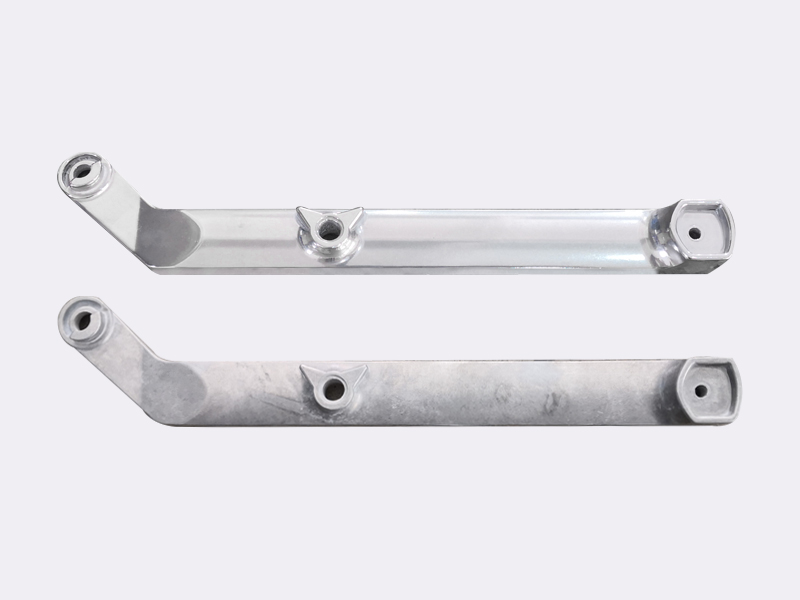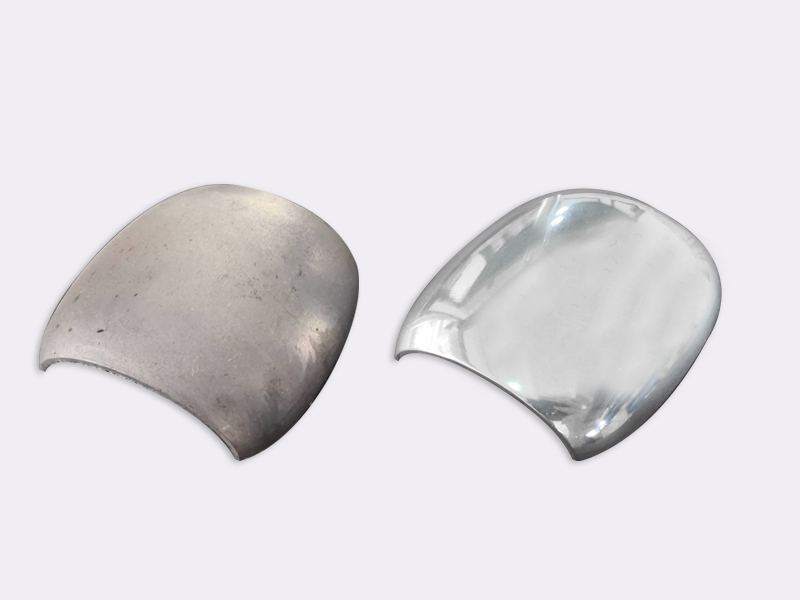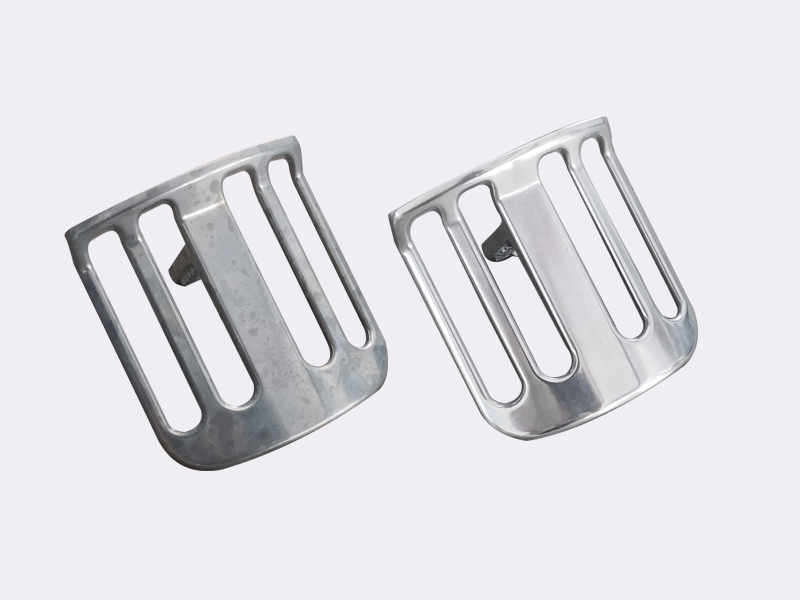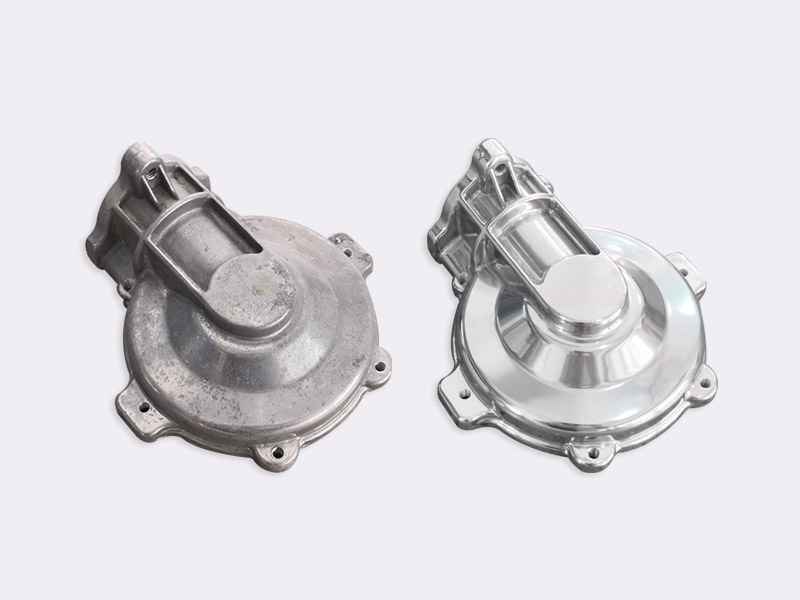

A wheel polishing machine is a specialized finishing system used to smooth, clean, and polish the surface of wheels—most commonly alloy, forged, and cast rims. Instead of relying on manual polishing, which is time-consuming and inconsistent, these machines use vibration, rotation, or centrifugal motion combined with polishing media (such as ceramic, plastic, or porcelain abrasives) to remove scratches, oxidation, and imperfections.
The result is a uniform, high-gloss mirror finish that restores or enhances the appearance of wheels. Wheel polishing machines are widely used in:
- Automotive wheel refurbishing shops – for restoring used or damaged rims.
- OEM and aftermarket manufacturers – to achieve consistent finishing quality in new wheels.
- Motorcycle and bicycle rim finishing – for smooth, durable surfaces.
Key benefits include:
- Efficiency – processes multiple wheels faster than manual polishing.
- Consistency – delivers the same shine and smoothness across every wheel.
- Versatility – handles different wheel materials and sizes (typically 14’’–32’’).
- Cost savings – reduces labor and rework while improving output quality
Why Choose Wheel Polishing Machine?
Investing in a professional wheel polishing machine offers far more than just a shiny surface—it delivers measurable improvements in efficiency, quality, and long-term business growth.
-
High Efficiency – Compared to traditional manual polishing, these machines dramatically reduce processing time. A polishing cycle that could take several hours by hand can be completed in a fraction of the time, allowing workshops and manufacturers to handle a higher volume of wheels each day. For businesses dealing with bulk orders or continuous production, this efficiency translates directly into faster turnaround times and increased profitability.
-
Consistent Quality – Manual polishing often produces inconsistent finishes, especially across large batches. A wheel polishing machine, by contrast, ensures every rim achieves the same level of brightness and smoothness. The automated process eliminates human error, delivering a flawless, mirror-like surface that enhances the wheel’s value and appeal to customers.
-
Versatility – These machines are designed to handle a wide range of wheel materials and sizes. Whether working with alloy wheels, forged rims, or cast wheels, the equipment adapts easily to different polishing needs. Models can accommodate diameters from 14’’ up to 32’’, making them suitable for everything from standard passenger cars to high-end SUVs, motorcycles, and custom wheels.
-
Cost-Effectiveness – By reducing reliance on manual labor, wheel polishing machines lower operating costs while boosting productivity. Businesses save on labor expenses, minimize rework, and maximize the lifespan of wheels through proper finishing. In the long term, this investment pays for itself by increasing output capacity and customer satisfaction, while positioning your workshop or factory as a professional, reliable supplier of polished wheels.
Machine Series Overview
Wheel Polishing Machine Series Comparison
| Series | Wheel Size Range | Key Features | Best For |
|---|---|---|---|
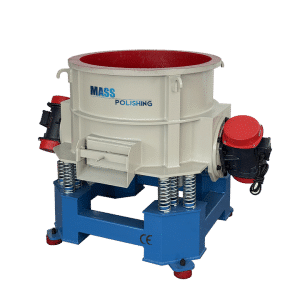
| MV Series – Multi-Vibration | 14’’–32’’ | Strong vibratory motion for aggressive material removal | Workshops handling varied wheel designs |
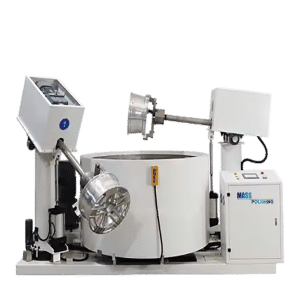
| VW Series – Vibratory + Rotary | 14’’–32’’ | Combines vibration + rotary finishing; automatic loading; pneumatic clamping; variable frequency control | Medium to large-scale production requiring uniformity |
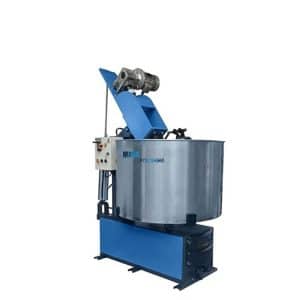
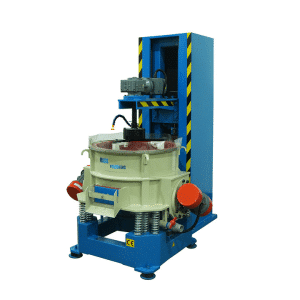
| RW Series – Rotary (ECO & Automation Models) | 14’’–32’’ | High-performance rotary finishing; energy-saving; optional automation (liquid dosing, auto lifting, enclosed chambers) | Factories needing consistent output with minimal manual handling |
Standard Features & Optional Upgrades
Standard Features
- Polyurethane lining for durability
- Frequency converters for speed adjustment
- Digital timers and control panels
- Rugged, industrial-grade construction
Optional Upgrades
- Automatic liquid dosing system
- Pneumatic clamping system
- Media storage & loading bins
- Fully enclosed cabin for dust control
Why Choose Polished Aluminum Wheels?
Polished aluminum wheels are a favorite among car enthusiasts due to their shiny, mirror-like finish that adds a touch of elegance to any vehicle. However, maintaining that pristine look requires some effort and the right techniques. In this comprehensive guide, we’ll explore the best methods for buffing, polishing, and maintaining your polished aluminum wheels to keep them looking their best. Polished aluminum wheels are made by smoothing the surface of aluminum alloy wheels to a high shine. Unlike painted or coated wheels, polished aluminum wheels have no protective layer, which means they can oxidize over time. This oxidation gives them a dull, cloudy appearance if not properly maintained.
- Aesthetic Appeal: The mirror-like finish of polished aluminum wheels enhances the overall look of a vehicle, giving it a sleek and sophisticated appearance.
- Lightweight: Aluminum is lighter than steel, which can improve a vehicle’s performance and fuel efficiency.
Heat Dissipation: Aluminum wheels help dissipate heat more effectively, which can prolong the life of brakes and improve overall safety.
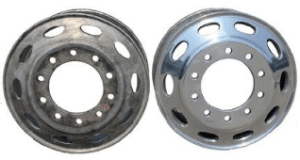
Step-by-Step Guide to Polish Aluminum Wheels
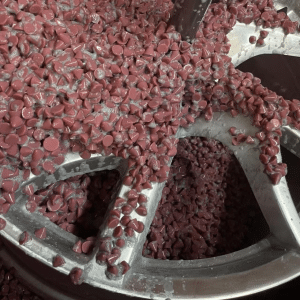
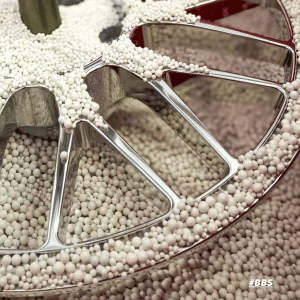
The wheel polishing workflow is structured around three precision-driven stages. It starts with rough grinding, where plastic or ceramic abrasive media effectively remove casting marks, scratches, and surface irregularities, creating a clean foundation. The process then advances to pre-polishing, utilizing fine plastic media to further refine the surface, reduce micro-roughness, and ensure uniform preparation for the final step. Lastly, fine polishing employs porcelain or high-performance polishing media to deliver a flawless, mirror-like finish, enhancing both the visual brilliance and long-term durability of the wheel surface.
The polishing workflow typically follows a three-step process:
Rough Grinding
- Removes deep scratches, weld marks, and surface defects.
- Media: Plastic or ceramic abrasive media.
Pre-Polishing / Smoothing
- Refines the wheel surface and reduces roughness.
- Media: Fine plastic media.
Fine Polishing / High-Gloss Finishing
- Achieves a mirror-like, reflective surface.
- Media: Porcelain or specialized polishing media.
FAQ: Wheel Polishing Machine
1. How long does the wheel polishing process take?
Depending on the wheel’s condition and finish requirements, the full 3-step cycle generally takes 1–3 hours. Heavily damaged or oxidized wheels may require longer processing.
2. What wheel sizes can your machines handle?
Our equipment accommodates wheel diameters from 14’’ to 32’’, making it suitable for most passenger cars, SUVs, trucks, motorcycles, and custom wheels.
3. Which polishing media is best for alloy wheels?
- Rough Grinding: Ceramic or plastic abrasive media
- Pre-Polishing: Fine plastic media
- Final High-Gloss: Porcelain or specialized polishing media This combination ensures both material removal and mirror-like finishing.
4. Can the machine polish both forged and cast wheels?
Yes. The machines are engineered to handle alloy, forged, and cast wheels with the same precision and consistency.
5. What automation options improve efficiency?
Advanced features such as automatic liquid dosing, pneumatic clamping, media loading bins, and enclosed chambers help reduce labor and improve production speed.
6. Is the process environmentally friendly?
Yes. Wet polishing systems minimize dust, while optional water recycling and compound dosing systems reduce waste and maintain eco-friendly operation.
7. How difficult is it to operate the machine?
Our wheel polishing machines are user-friendly, equipped with digital control panels, timers, and frequency converters. Operators can quickly learn the workflow, making it accessible for both small workshops and large factories.
8. What maintenance is required?
outine checks include monitoring media wear, cleaning the tank, and inspecting the polyurethane lining. With proper care, the machine delivers long-term durability and reliable performance.
9. How many wheels can be polished at once?
Capacity depends on the series: smaller models are ideal for single-wheel processing, while larger or automated versions can handle multiple wheels simultaneously, boosting throughput for high-volume production.
10. What industries commonly use wheel polishing machines?
- Automotive workshops & refurbishing centers
- OEM and aftermarket wheel manufacturers
- Motorcycle and bicycle rim finishing
- Custom wheel design and restoration services
Conclusion
Polishing wheels has evolved far beyond traditional, labor-intensive manual methods. Today, advanced wheel polishing machines make it possible to deliver finishes that are not only mirror-like in appearance but also highly consistent and repeatable across large production runs. By integrating vibration, rotary motion, or centrifugal force with specialized polishing media, these systems remove defects, smooth surfaces, and enhance durability while reducing processing time significantly.
For small workshops, wheel polishing machines provide a reliable way to expand service offerings, attract new customers, and achieve professional results without the variability of hand polishing. For large-scale manufacturers, they ensure high-throughput, uniform quality, and cost efficiency—critical advantages in a competitive market. With options for automation, such as liquid dosing systems, pneumatic clamping, and media loading bins, these machines also minimize manual handling, streamline operations, and create a cleaner, safer working environment.
Our MV, VW, and RW series machines are designed to meet these diverse needs, from boutique wheel repair businesses seeking flexibility to industrial-scale production lines requiring consistent output. By investing in the right polishing solution, you not only improve the visual appeal and performance of every wheel but also strengthen your business with higher efficiency, lower costs, and long-term reliability