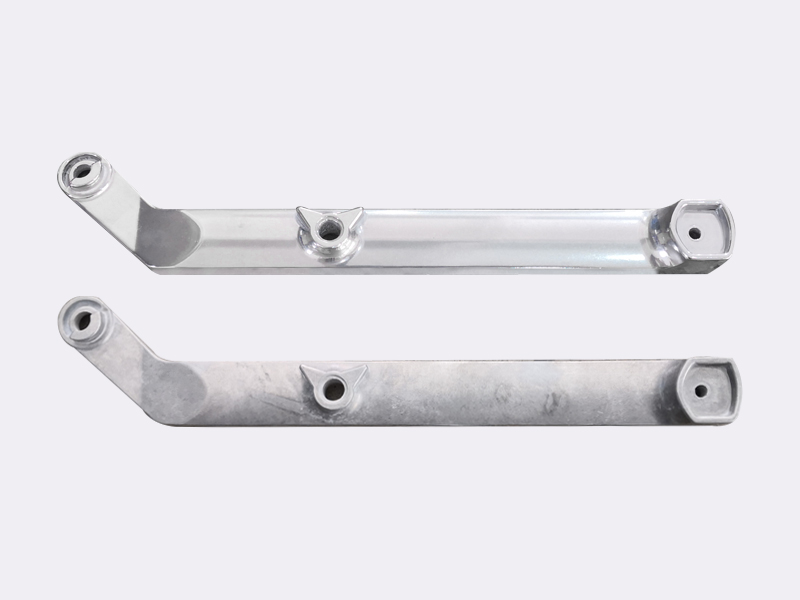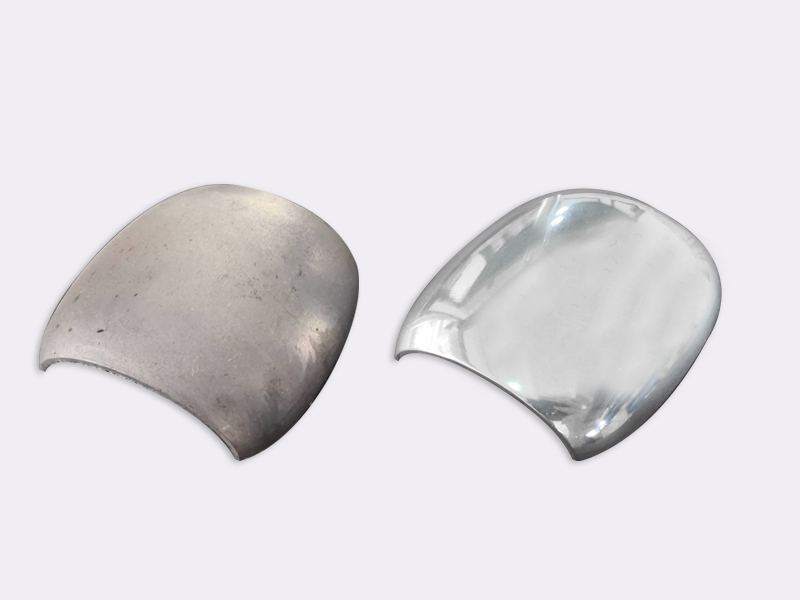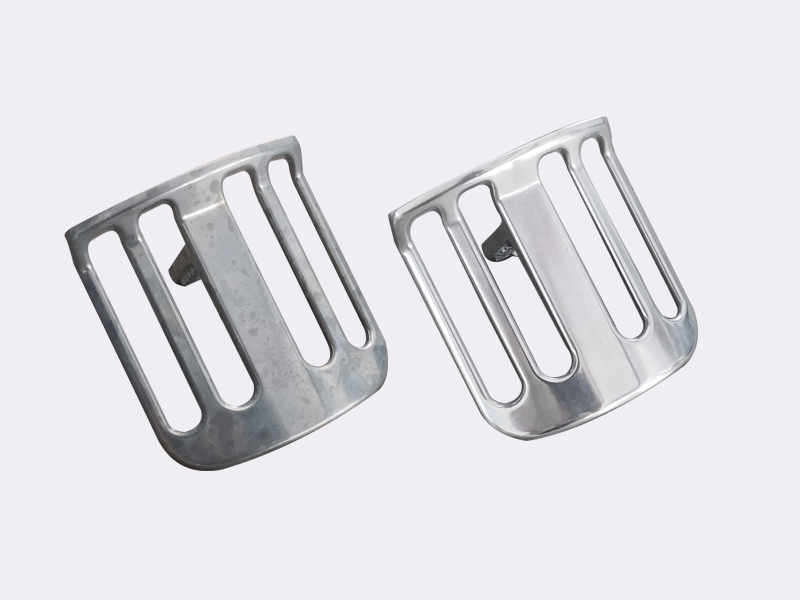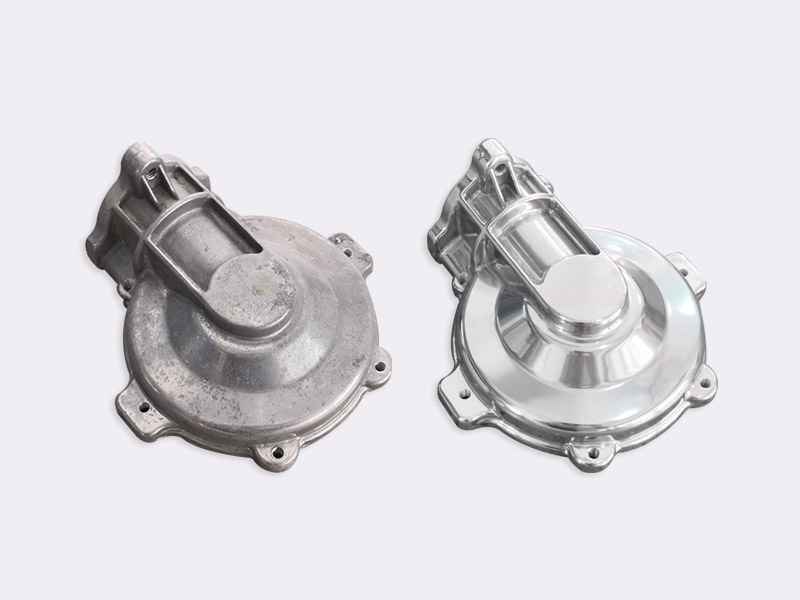

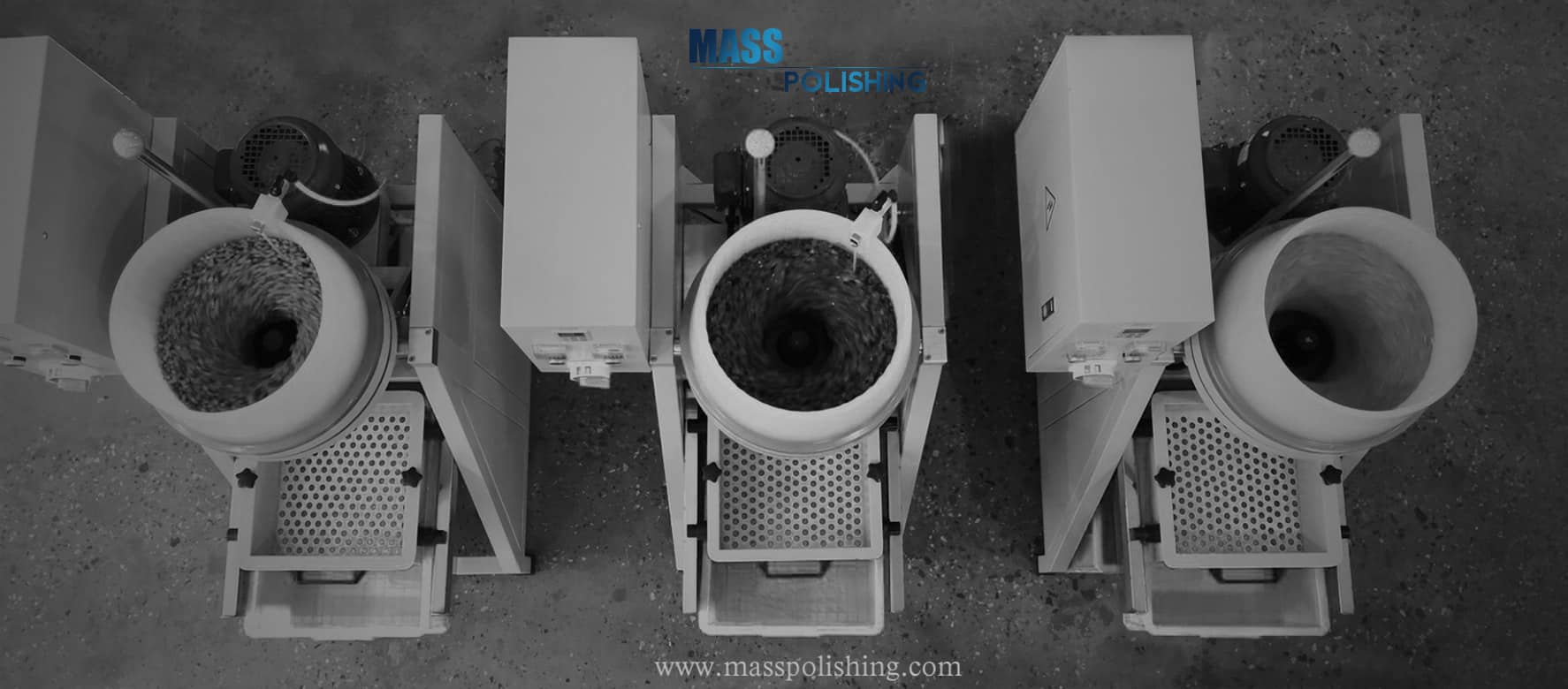
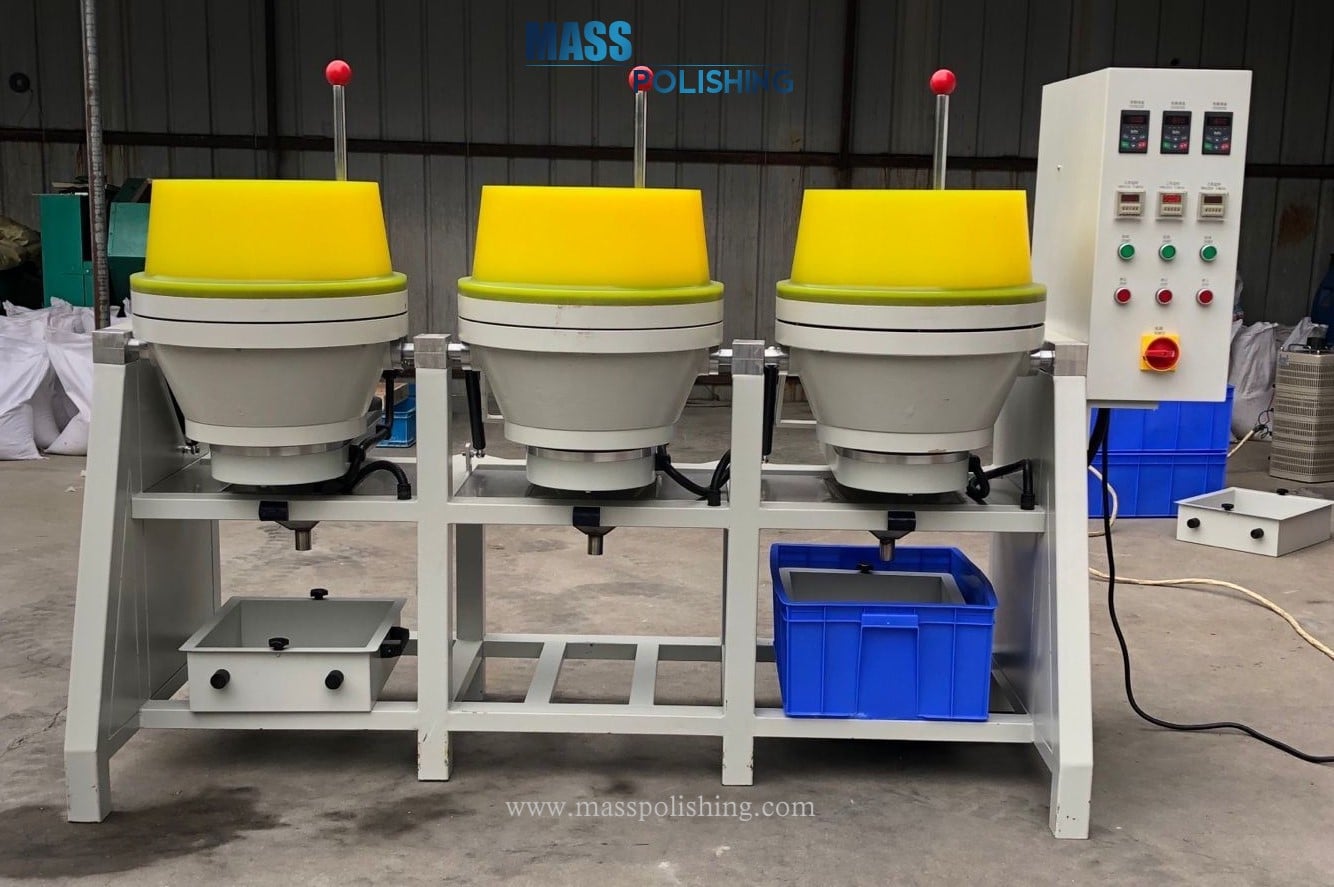
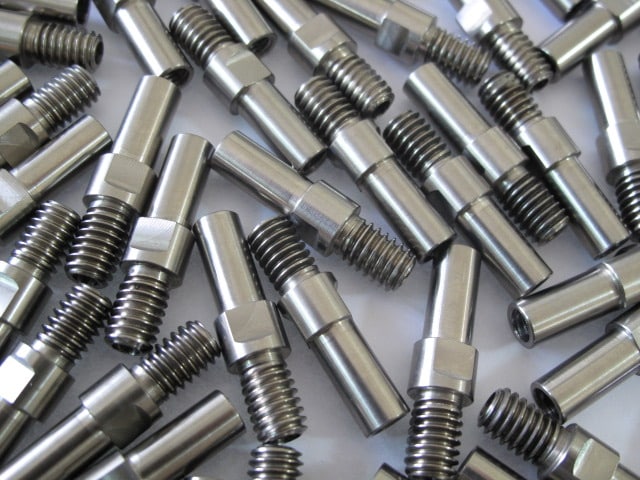
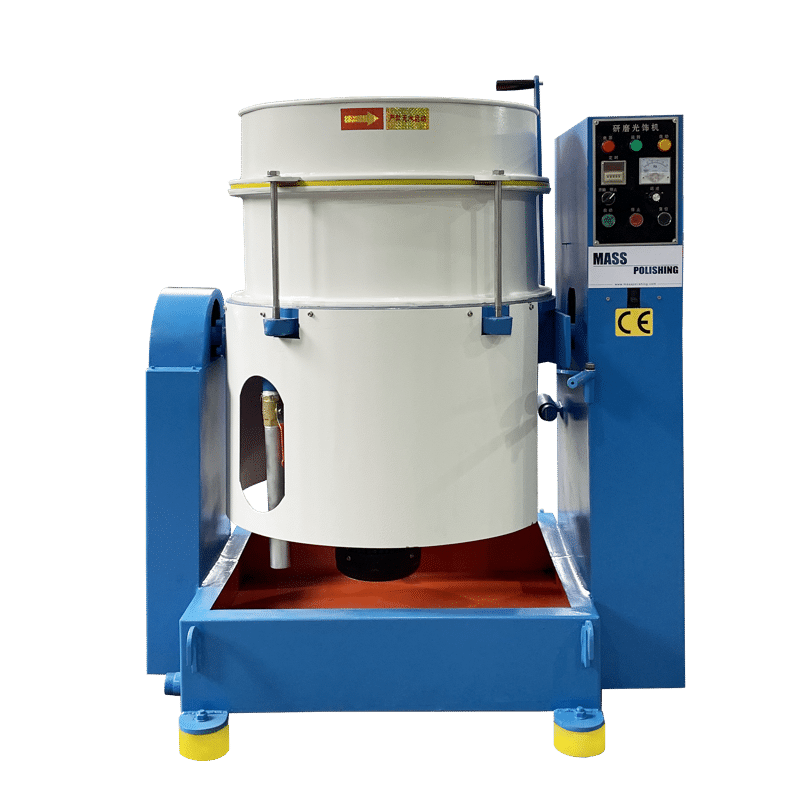
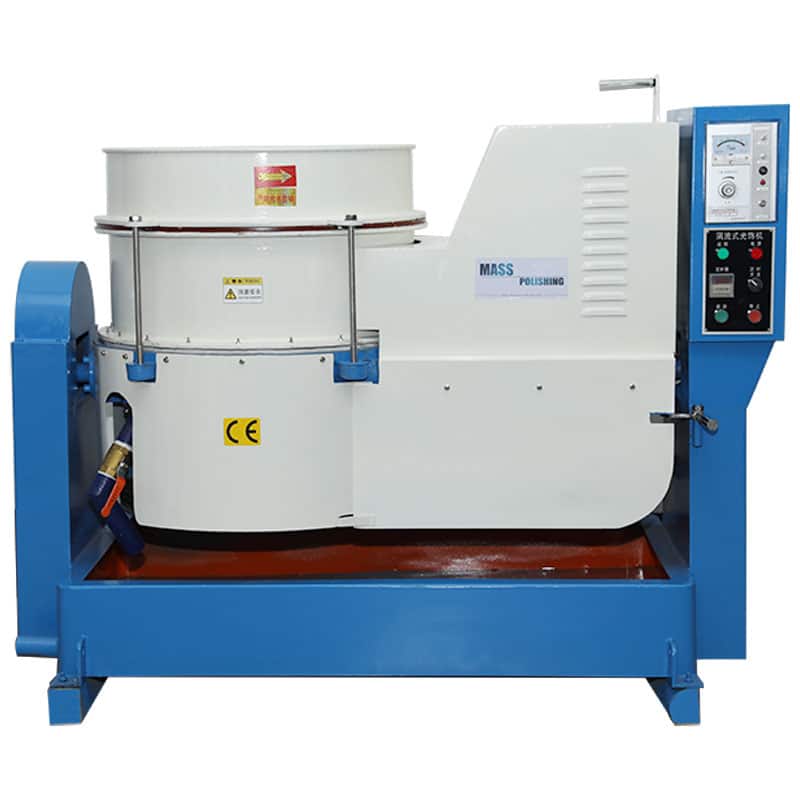
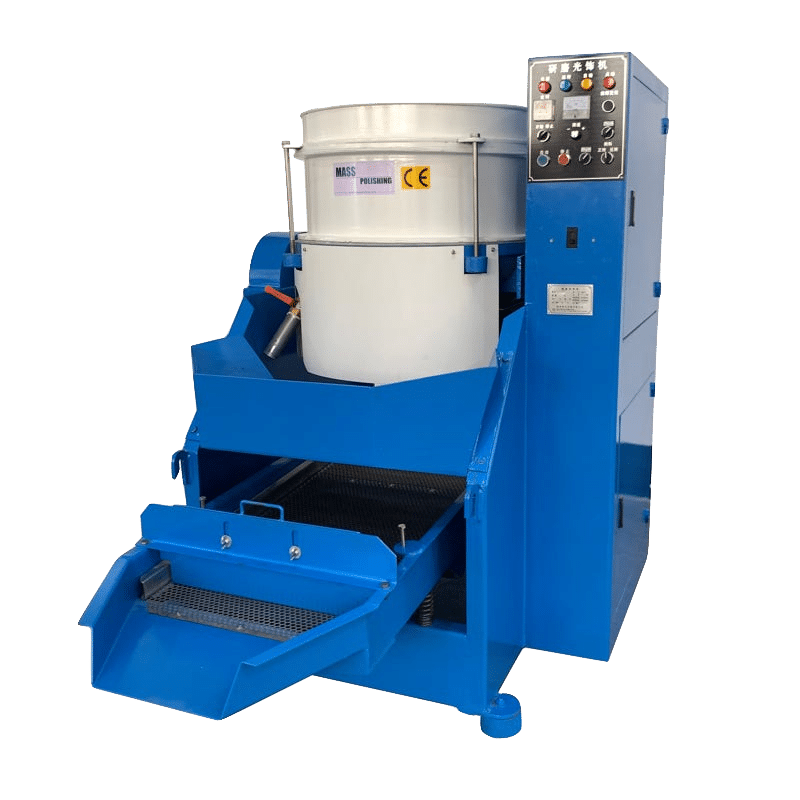
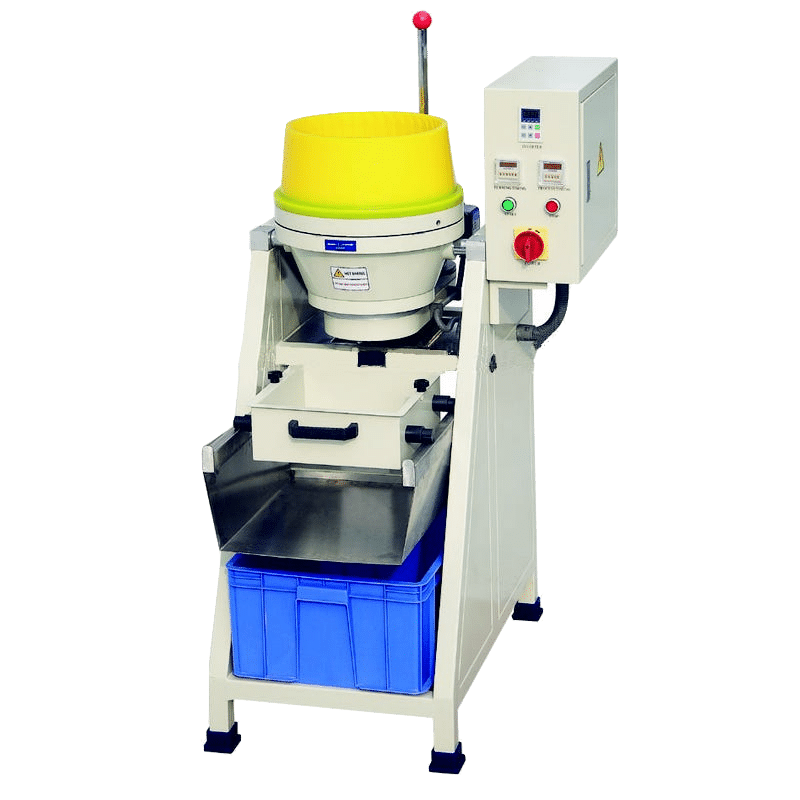
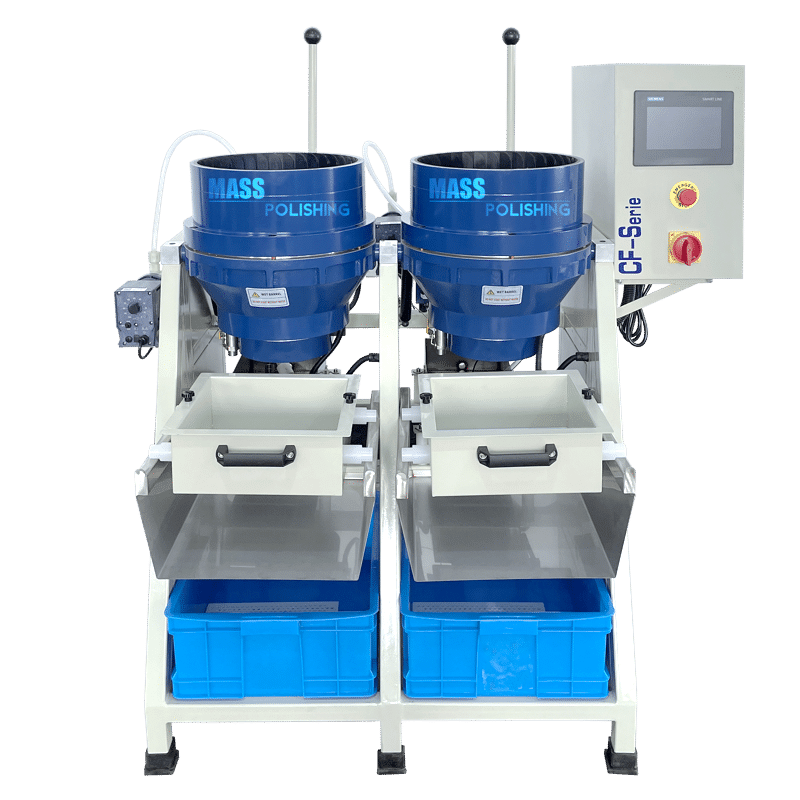
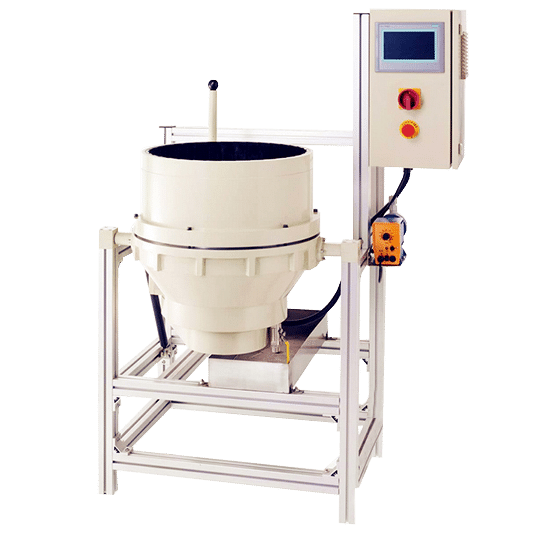
Polishing titanium parts requires a different approach than polishing other metals due to the unique properties of titanium. The following step-by-step guide will walk you through the process of polishing titanium parts using a centrifugal disc finishing machine.
Step 1: Clean the Parts
Any dirt, debris, or oils present on the surface can interfere with the polishing process and result in an uneven finish. Before beginning the polishing process, it is important to thoroughly clean the titanium parts to remove any dirt, debris, or oils that may be present on the surface. Using a mild soap and water solution is a good way to remove any surface contaminants. After cleaning, be sure to rinse the parts thoroughly with water to remove any residual soap or debris.
Step 2: Select the Right Media
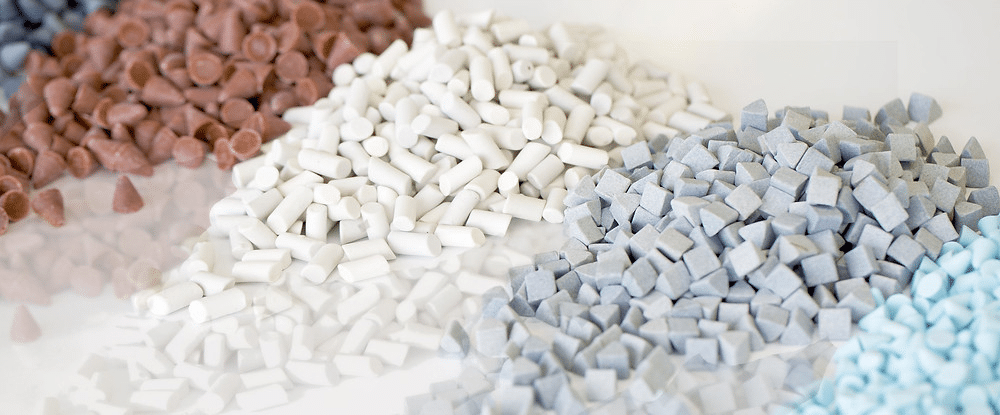
When polishing titanium parts, it’s important to use a non-abrasive media to avoid scratching or damaging the surface of the titanium. Plastic media or porcelain media are good choices for this purpose.
Medios plásticos is a relatively soft media that is effective at removing burrs and other surface imperfections from titanium parts. It is available in a range of shapes and sizes, including cones, cylinders, and stars, making it suitable for a variety of part shapes and sizes.
cURL Too many subrequests by single Worker invocation. To configure this limit, refer to https://developers.cloudflare.com/workers/wrangler/configuration/#limits is a harder media that is capable of producing a high-gloss finish on titanium parts. It is available in a variety of shapes and sizes, including balls, cones, and cylinders, making it suitable for a range of part shapes and sizes.
Both plastic and porcelain media are available in a range of abrasive levels, from very fine to coarse. It’s important to choose a media with the appropriate abrasive level for the specific polishing application, as using a media that is too abrasive can damage the surface of the titanium.
In addition to plastic and porcelain media, other non-abrasive media that can be used for polishing titanium parts include medio cerámico, stainless steel media, y walnut shell media.
Step 3: Add the Media and Lubricant
Adding the appropriate amount of lubricant, such as water or oil, is an important step when polishing titanium parts using a disc finishing machine. The lubricant helps to reduce friction and heat during the polishing process, which can help to prevent damage to the surface of the titanium.
The amount of lubricant that is added will depend on the specific polishing application and the type of media that is being used. In general, a good rule of thumb is to add enough lubricant to fully cover the media and the parts being polished.
Water is a commonly used lubricant for polishing titanium parts, as it is readily available and inexpensive. It is also non-reactive and non-flammable, which makes it a safe choice for most polishing applications. However, in some cases, oil-based lubricants may be preferred, as they can provide a higher level of lubrication and help to extend the life of the media.

Choosing the right lubricant for polishing titanium parts depends on several factors, including the type of media being used, the type of titanium parts being polished, and the desired finish.
Here are some general tips for choosing a lubricant:
1) Consider the type of media:
Different types of media may require different types of lubricants to achieve the desired finish. For example, porcelain media may require a water-based lubricant, while plastic media may require an oil-based lubricant.
2) Check for compatibility:
Make sure the lubricant is compatible with the type of titanium parts being polished. Some lubricants may react with certain types of titanium, causing discoloration or other damage.
3) Consider the desired finish:
The type of lubricant used can have an impact on the final finish of the polished parts. Water-based lubricants are often used for achieving a high-gloss finish, while oil-based lubricants can provide a more matte finish.
4) Consider the application:
The environment in which the parts will be used may also impact the choice of lubricant. For example, if the parts will be used in a high-temperature environment, a lubricant that can withstand high temperatures may be needed.
In general, water-based lubricants are a safe and effective choice for polishing titanium parts, as they are non-reactive and non-flammable. However, it’s important to choose a lubricant that is appropriate for the specific application and that will provide the desired finish.
Step 4: Start the Machine
Turn on the centrifugal disc finisher and let it run for a few minutes to ensure that the media and lubricant are evenly distributed throughout the machine.
Step 5: Add the Titanium Parts
Once the machine is running smoothly, add the titanium parts to the machine. Be sure to keep an eye on the parts during the polishing process to ensure that they are not being damaged.
You may want to periodically check the parts themselves to see if any damage or scratches are appearing on the surface. If you notice any issues, you can adjust the parameters of the polishing process, such as reducing the intensity of the vibration or adding more lubricant.
cURL Too many subrequests by single Worker invocation. To configure this limit, refer to https://developers.cloudflare.com/workers/wrangler/configuration/#limits.
cURL Too many subrequests by single Worker invocation. To configure this limit, refer to https://developers.cloudflare.com/workers/wrangler/configuration/#limits
cURL Too many subrequests by single Worker invocation. To configure this limit, refer to https://developers.cloudflare.com/workers/wrangler/configuration/#limits.
cURL Too many subrequests by single Worker invocation. To configure this limit, refer to https://developers.cloudflare.com/workers/wrangler/configuration/#limits.
cURL Too many subrequests by single Worker invocation. To configure this limit, refer to https://developers.cloudflare.com/workers/wrangler/configuration/#limits
cURL Too many subrequests by single Worker invocation. To configure this limit, refer to https://developers.cloudflare.com/workers/wrangler/configuration/#limits.
cURL Too many subrequests by single Worker invocation. To configure this limit, refer to https://developers.cloudflare.com/workers/wrangler/configuration/#limits
cURL Too many subrequests by single Worker invocation. To configure this limit, refer to https://developers.cloudflare.com/workers/wrangler/configuration/#limits.
cURL Too many subrequests by single Worker invocation. To configure this limit, refer to https://developers.cloudflare.com/workers/wrangler/configuration/#limits
cURL Too many subrequests by single Worker invocation. To configure this limit, refer to https://developers.cloudflare.com/workers/wrangler/configuration/#limits.
cURL Too many subrequests by single Worker invocation. To configure this limit, refer to https://developers.cloudflare.com/workers/wrangler/configuration/#limits
cURL Too many subrequests by single Worker invocation. To configure this limit, refer to https://developers.cloudflare.com/workers/wrangler/configuration/#limits cURL Too many subrequests by single Worker invocation. To configure this limit, refer to https://developers.cloudflare.com/workers/wrangler/configuration/#limits cURL Too many subrequests by single Worker invocation. To configure this limit, refer to https://developers.cloudflare.com/workers/wrangler/configuration/#limits.
cURL Too many subrequests by single Worker invocation. To configure this limit, refer to https://developers.cloudflare.com/workers/wrangler/configuration/#limits
cURL Too many subrequests by single Worker invocation. To configure this limit, refer to https://developers.cloudflare.com/workers/wrangler/configuration/#limits.
cURL Too many subrequests by single Worker invocation. To configure this limit, refer to https://developers.cloudflare.com/workers/wrangler/configuration/#limits.
cURL Too many subrequests by single Worker invocation. To configure this limit, refer to https://developers.cloudflare.com/workers/wrangler/configuration/#limits.
cURL Too many subrequests by single Worker invocation. To configure this limit, refer to https://developers.cloudflare.com/workers/wrangler/configuration/#limits.
cURL Too many subrequests by single Worker invocation. To configure this limit, refer to https://developers.cloudflare.com/workers/wrangler/configuration/#limits.
cURL Too many subrequests by single Worker invocation. To configure this limit, refer to https://developers.cloudflare.com/workers/wrangler/configuration/#limits.
cURL Too many subrequests by single Worker invocation. To configure this limit, refer to https://developers.cloudflare.com/workers/wrangler/configuration/#limits.
cURL Too many subrequests by single Worker invocation. To configure this limit, refer to https://developers.cloudflare.com/workers/wrangler/configuration/#limits.
cURL Too many subrequests by single Worker invocation. To configure this limit, refer to https://developers.cloudflare.com/workers/wrangler/configuration/#limits.
10) Contáctenos cURL Too many subrequests by single Worker invocation. To configure this limit, refer to https://developers.cloudflare.com/workers/wrangler/configuration/#limits.
cURL Too many subrequests by single Worker invocation. To configure this limit, refer to https://developers.cloudflare.com/workers/wrangler/configuration/#limits.
cURL Too many subrequests by single Worker invocation. To configure this limit, refer to https://developers.cloudflare.com/workers/wrangler/configuration/#limits
 |
 |
 |
 |
 |
 |